
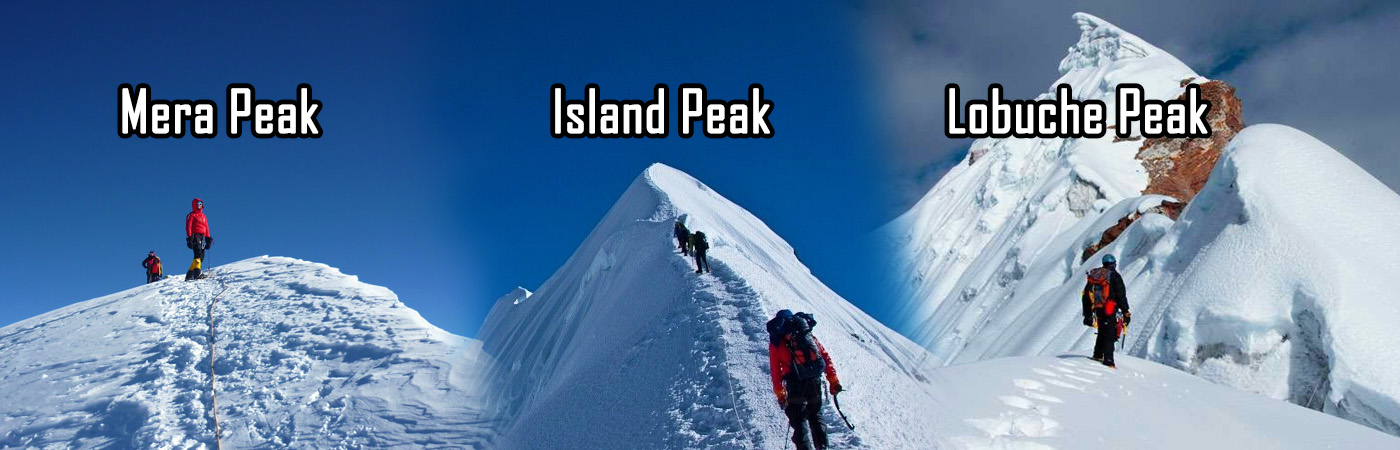
Top 3 Best Peak Climbing in Nepal: The Nepal is a world-renowned destination for peak climbing, offering thrilling Himalayan adventures with stunning views and achievable summits. Among many trekking peaks, a few stand out as the most popular and rewarding for climbers from around the world
Top 3 Best Peak Climbing Adventures in Nepal: Nepal is a paradise for mountaineers and adventure seekers, offering some of the world’s most spectacular trekking peaks. Among the many climbing destinations, Island Peak, Lobuche East, and Mera Peak are considered the top three best peaks for climbers seeking a thrilling Himalayan experience.
Island Peak Climbing (6,189m) popularly known as Island Peak, this beautiful mountain lies in the Everest region and is one of Nepal’s most climbed trekking peaks. It offers an excellent introduction to Himalayan mountaineering with stunning views of Everest, Lhotse, and Ama Dablam. The climb combines trekking adventure with basic technical climbing, making it ideal for beginners and experienced climbers alike.
Lobuche East Peak Climbing (6,119m) Lobuche East is a challenging and rewarding peak located near the Everest Base Camp trail. The climb involves steep snowy sections and technical climbing, making it perfect for adventure lovers looking for a more demanding Himalayan ascent. From the summit, climbers are rewarded with breathtaking panoramic views of Everest, Nuptse, Makalu, and surrounding Himalayan giants.
Mera Peak Climbing (6,476m) Mera Peak is the highest trekking peak in Nepal and one of the best choices for high-altitude adventure. The climb is less technical but physically demanding due to its elevation. It offers incredible views of five of the world’s highest mountains Everest, Lhotse, Makalu, Cho Oyu, and Kanchenjunga. Mera Peak is ideal for trekkers looking for a challenging yet achievable Himalayan summit experience.
These three peaks provide unforgettable adventures, combining spectacular mountain scenery, rich Sherpa culture, and the excitement of Himalayan climbing in Nepal.
Peak climbing in Nepal has been a popular adventure sport for thrill seekers for a very long time. Located at the base of the Great Himalayas, Nepal offers a variety of activities, and peak climbing is the most adventurous and thrilling of all. Having home to many such peaks over 6ooo meters, Nepal is the ultimate destination for Peak Climbing. After mountain expeditions peak climbing is the most popular adventurous activity in Nepal.
Peak Climbing in Nepal is a challenging but equally rewarding adventure. It is considered less intense than a Mountain expedition, which demands much more physical and mental strength. Nepal offers a variety of peaks that climbers can choose from, including difficult climbs, technical climbs, and easy climbs, according to the skill level and experience of climbers.
Are you an adventure enthusiast eager to embark on the most thrilling peak climbing experiences in Nepal for autumn 2026 & 2027 ! Look no further! Nepal’s Himalayan terrain boasts some of the world’s most awe-inspiring and challenging peaks, and we’ve carefully curated the top three that should undoubtedly be on your radar: Island Peak, Lobuche Peak, and Mera Peak. Whether you’re a seasoned mountaineer seeking new heights or a novice climber craving an unforgettable adventure, these peaks have something spectacular for everyone. Join us as we explore the Top 3 Best Peak Climbing in Nepal and discover the unparalleled beauty and excitement these majestic mountains have to offer.
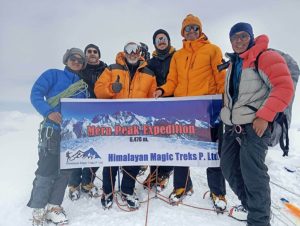
The History of Peak Climbing in Nepal
The history of mountaineering in Nepal officially began in 1949 A.D. when Nepal opened its doors to the outside world. The first commercial trek was organized by a British diplomat and Lieutenant Colonel James Owen Merion Roberts. Since then, Nepal has witnessed several historic Peaks climbing in Nepal and considerable achievements. Nepalese Himalayan peaks have been host to countless wins and tragedy, ranging from the first ascent of Annapurna (I) by 3 June 1950 Maurice Herzog and Louis Lachenal (First winter ascent 3 February 1987 Jerzy Kukuczka and Artur Hajzer) to winning over the world’s 14 highest peaks over 8000 meters. These success stories supported the rapid increase in Mountain climbing in Nepal. The decades of 1950 to 1960 is also considered a golden age of Peak Climbing in Nepal.
On May 29, 1953, Mr. Tenzing Norge Sherpa and Sir Edmund Hillary made history when they successfully completed Mount Everest Expedition 8,848 meters. Some other famous peak climbing includes the climb of the Northeast ridge of Mount Everest, the Southwest face of Ama Dablam, and the South face of Lhotse. The history of Peak Climbing in Nepal is a tribute to the spirit of exploration and adventure. From the beginning of exploration by brave explorers to present day commercial peak climbing in Nepal, they continue attract and inspire climbers from different corners of the world.
1. Island Peak Climbing

Island Peak Climbing 6189 Meters also known as Imja Tse, stands as an iconic peak in the Khumbu region of Nepal. Its stunning location within the Everest region makes it a popular choice among climbers. The journey begins in Lukla, where you’ll trek through picturesque villages, lush forests, and pristine landscapes, gradually acclimatizing to the altitude. The climb itself involves some technical sections, including ice and rock formations, making it an excellent choice for climbers looking to hone their skills.
Reaching the summit of Island Peak offers a breathtaking 360-degree view of the Everest range, including Lhotse and Nuptse. This expedition is not only a physical challenge but also an opportunity to immerse yourself in the local Sherpa culture.
2. Lobuche Peak Climbing

Lobuche Peak Climbing in Nepal located near Everest Base Camp, is another must-try peak climbing experience in Nepal. This challenging ascent takes you through the renowned Khumbu Valley, offering spectacular views of iconic Himalayan peaks. Climbers need to be well-prepared for high-altitude challenges, steep slopes, and technical climbing sections.
The highlight of this climb is the unparalleled view of Everest, the highest peak in the world, from the summit. Lobuche Peak is an ideal choice for those seeking a more strenuous and technical adventure in the Himalayas.
3. Mera Peak Climbing
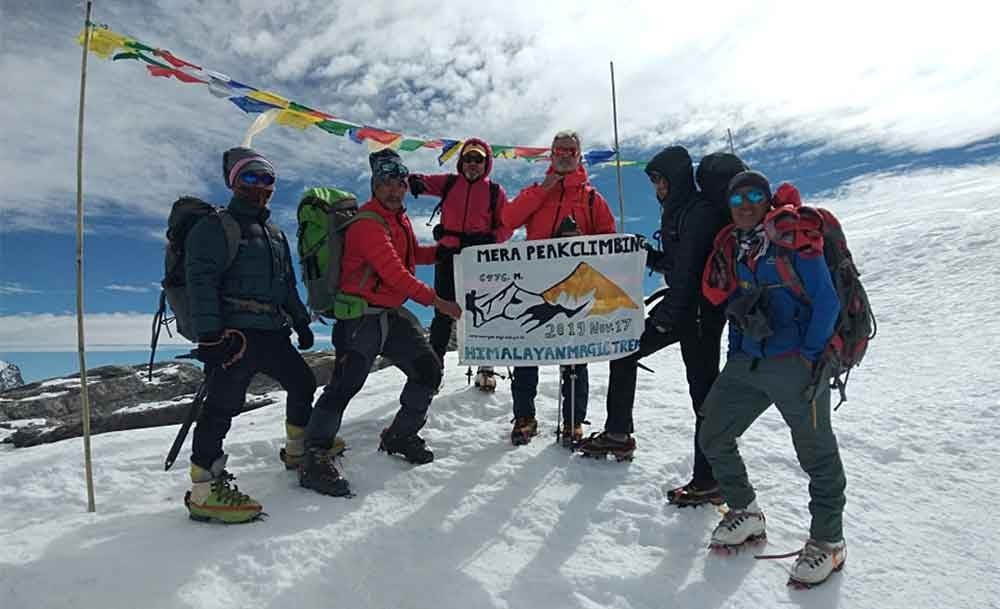
Mera Peak Climbing in Nepal often considered the highest trekking peak in Nepal, is an excellent choice for those looking to combine trekking and peak climbing. The journey starts with a scenic flight to Lukla, followed by a trek through the Hinku Valley, which is relatively less crowded than other trekking routes.
Mera Peak offers a gradual climb with non-technical sections, making it accessible to climbers with limited experience. The summit rewards you with incredible views of five of the world’s six highest peaks, including Everest, Lhotse, Cho Oyu, Makalu, and Kanchenjunga. The climb is an opportunity to explore remote Sherpa villages and immerse yourself in the tranquility of the Himalayas.
Is This Your interest for Peak Climbing in Nepal
Before embarking on any of these peak climbing adventures in Nepal, it’s crucial to plan meticulously. Please visit: Essential Planning Tips for Nepal Peak Climbing Adventures page to discover more information about planning tips for Nepal peak climbing adventures, including managing difficulty levels, physical fitness, acclimatization, experienced guides, necessary equipment, eligibility criteria, overcoming potential challenges, and staying safe from altitude sickness.
When planning your trip for 2026 or 2027, keep in mind that peak climbing in Nepal is a thrilling adventure that demands preparation, determination, and respect for the natural environment. The rewards, including breathtaking views and a profound sense of accomplishment, are worth every step of the journey.
So, which of these top three peaks in Nepal will you conquer in 2026 or 2027, Whether you choose Island Peak, Lobuche Peak, or Mera Peak, you’re in for an unforgettable adventure amidst the world’s most magnificent mountains. Start planning your peak climbing expedition now and make your Himalayan dreams come true.
We focused on Top 3 popular Peaks climbing in Nepal for those climbers to have an experience so Nepal is a country for mountain activities and specialist for Peak climbing every corner of massif Himalayas, You can choose any peaks you prefer to climb for lifetime memory click here Peak Climbing in Nepal pages for several peaks open for Climbing as per your wish.
Peak Climbing in Nepal is an easy for Beginners?
Nepal’s is curious for peak climbing and an adventure lover, Mountain climbing is one of the best activities for you. And it is natural for you to have questions like, “peak climbing in Nepal is easy and safe for Beginners?” absolutely Yes, if it is done with proper guidance and training. Peak climbing requires very intense physical and mental preparation along with proper guidance from experienced climbing guides. The selection of peaks to climb determines the success of the adventure for trainee climbers. So here’s a list of some suitable peak climbs for beginner climbers, which has no shortage of amazing moments with proper brave and hardiness. “The best view only comes after the hardest part to climb.” In the mountains with clear sky.
Best Season for Peak Climbing in Nepal
The best seasons for Peak Climbing in Nepal are Spring (March-May) and autumn (September–November). These phases of the year are neither too hot nor too cold. Climbers be they beginner, intermediate, or expert, these two seasons provide the best peak climbing adventure with less difficulty throughout the journey.
- Spring (March-May)
Spring is one of the best times to climb peaks and for all trekking activities. The views become clear as crystal and the weather is bearable and mild during spring. There is less possibility of rain and fluctuations in temperature are very low. The only issue in this season can be the wind speed, which may give climbers some problems depending on the location.
- Autumn (September-November)
The autumn season is also one of Nepal’s best seasons for peak climbing, The weather this time is cool enough for climbing and clears enough for natural views. There is very little chance of rain, and the temperature might drop a little depending on the time of day or location.
What’s Climbing Gears required for Peak Climbing in Nepal
- Ice axe
- Crampons
- Harness
- Tape Slings (2)
- Screwgate Karabiners (2 lock, 2 unlock)
- Descender/Abseil Device
- Plastic Mountaineering Boots
- Ascender
Helmet (optional)
- Climbing Gears (Group)
- Snow bar
- Rope
- Ice Hammer
- Ice Screw
Clothing (Head)
- Sun hat or scarf
- Light balaclava or warm fleece hat
- Sunglasses with UV protection
Clothing (Lower Body)
- Under Garments
- Hiking shorts
- Lightweight cotton long pants
- Light and expedition weight thermal bottoms
- Fleece or wool pants (seasonal)
- Waterproof (preferably breathable fabric) shell pants
- Feet
- Thin, lightweight inner socks
- Thick, warm wool hiking socks
- Hiking boots with spare laces
- Camp shoes (sneakers and/or sandals) Gaiters for hiking in winter to the base camp
- Gaiters
Upper Body
- T-shirts
- Light and expedition weight thermal tops
- Fleece jacket or pullover
- Fleece Wind-Stopper jacket (optional)
- Waterproof (preferably breathable fabric) shell jacket
- Down vest and/or jacket *
- Hands Lightweight gloves
- Heavyweight gloves or mittens with a waterproof shell outer (seasonal)
- Accessories
- Sleeping bag rated to -30 degree centigrade and below (depends on season)
- Headlamp (e.g. Petzl Zoom) with spare bulbs and batteries
- Trekking Bags/Duffel bag
- Basic First Aid Kit
- Large plastic bags – for keeping items dry inside trek bag
- Day pack (approximately 2500 to 3000 cubic inches)
- Trekking Poles
- Water bottle (2) or camel bag
- Toiletries (Small wash towel, Toilet papers etc)
- Ear Plug (who know some people on group are snoring)
- Toiletries
- 1 medium sized quick drying towel
- Tooth brush / paste (preferably biodegradable)
- Multipurpose soap (preferably biodegradable)
- Deodorants
- Nail clippers
- Face and body moisturizer
- Feminine hygiene products
- Small mirror
- Personal Hygiene
- Wet wipes (baby wipes)
- Tissue /toilet roll
- Anti bacterial hands wash
Extras / Luxuries
- Binoculars
- Reading book
- Trail Map/Guide book
- Journal & Pen
- Walkman
- Pencils and small notebooks
- Travel game i.e. chess, backgammon, scrabble

Himalayan Magic Treks
A Himalayan travel contributor sharing destination guidance, local insight and practical planning advice.
Traveler Comments