
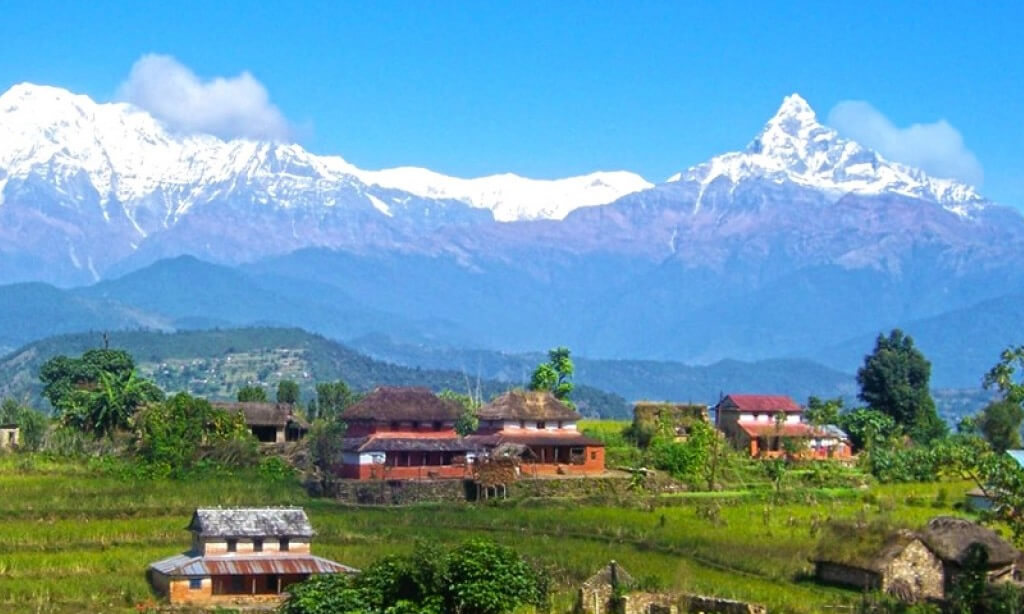
Trekking Guide in Nepal: Nepal is one of the world’s most spectacular trekking destinations, offering everything from gentle Himalayan walks to challenging high-altitude adventures. With breathtaking mountain scenery, diverse landscapes, traditional villages, ancient monasteries, and warm local hospitality, trekking in Nepal is an unforgettable experience for adventure seekers and nature lovers.
Why Trek in Nepal?
Nepal is home to eight of the world’s fourteen mountains above 8,000 meters, including Mount Everest. Its trekking routes pass through lush forests, alpine meadows, dramatic valleys, glaciers, and High Mountain passes.
A trek in Nepal is more than a journey through the mountains. It is an opportunity to experience Himalayan culture, meet local communities, visit traditional villages, and discover the unique lifestyles of people living in the highlands.
Popular Trekking Routes in Nepal
Everest Base Camp Trek
The Everest Base Camp Trek is Nepal’s most famous trekking adventure. The journey takes you through the Khumbu region, where you can enjoy spectacular views of Mount Everest, Lhotse, Ama Dablam, and other Himalayan peaks.
The trek usually takes around 12–16 days and reaches an altitude of approximately 5,364 meters at Everest Base Camp. Highlights include Namche Bazaar, Tengboche Monastery, Sherpa villages, and stunning Himalayan panoramas.
Annapurna Circuit Trek
The Annapurna Circuit is one of Nepal’s most diverse trekking routes. The trail passes through subtropical forests, traditional villages, arid mountain landscapes, and high-altitude terrain.
One of its major highlights is crossing Thorong La Pass at approximately 5,416 meters. Trekkers can also enjoy views of Annapurna, Dhaulagiri, Manaslu, and other impressive peaks.
Annapurna Base Camp Trek
The Annapurna Base Camp Trek is a popular choice for trekkers looking for a shorter Himalayan adventure. The trail travels through beautiful forests, Gurung villages, terraced farmland, and dramatic mountain valleys before reaching Annapurna Base Camp.
The trek generally takes around 7–12 days, depending on the itinerary and starting point.
Langtang Valley Trek
Located relatively close to Kathmandu, the Langtang Valley Trek combines beautiful mountain scenery with rich Tamang and Tibetan-influenced culture.
The trail passes through forests, traditional settlements, waterfalls, and alpine landscapes. Kyanjin Gompa and the surrounding Himalayan peaks are among the major attractions.
Manaslu Circuit Trek
The Manaslu Circuit is an excellent option for trekkers seeking a quieter and more remote Himalayan experience. The route circles Mount Manaslu and passes through culturally rich villages and dramatic mountain landscapes.
The trek involves crossing Larkya La Pass, reaching approximately 5,106 meters, and is generally considered more challenging than many of Nepal’s popular trekking routes.
Best Time for Trekking in Nepal
The best seasons for trekking in Nepal are generally spring and autumn.
Spring (March–May) offers pleasant temperatures, blooming rhododendrons, and good mountain visibility.
Autumn (September–November) is considered one of the best trekking seasons, with generally clear skies, stable weather, and excellent Himalayan views.
Winter can be suitable for lower-altitude treks, although high passes may become extremely cold or inaccessible. The summer monsoon brings heavy rainfall to many parts of Nepal, but some areas, particularly rain-shadow regions such as Upper Mustang and parts of the Annapurna region, can still be suitable for trekking.
Trekking Difficulty
Trekking routes in Nepal range from relatively easy walks to demanding high-altitude expeditions.
Before choosing a trek, consider:
• Trek duration and daily walking hours
• Maximum altitude
• Physical fitness and previous trekking experience
• Weather and seasonal conditions
• Availability of accommodation and facilities
• Altitude gain and acclimatization requirements
Beginners may prefer routes such as the Ghorepani–Poon Hill or lower-altitude sections of the Annapurna region, while experienced trekkers may choose Everest Base Camp, Manaslu Circuit, or high-pass adventures.
Essential Trekking Equipment
Proper preparation is important for a safe and comfortable trek. Essential equipment may include:
• Comfortable trekking boots
• Warm and waterproof clothing
• Thermal base layers
• Down jacket
• Waterproof jacket and trousers
• Trekking poles
• Sleeping bag suitable for the season
• Backpack and rain cover
• Headlamp
• Water bottle or hydration system
• Sunglasses and sunscreen
• Basic first-aid supplies
• Personal medications
• Snacks and energy food
Your exact equipment requirements will depend on the trekking route, season, altitude, and duration.
Altitude and Acclimatization
Altitude is one of the most important considerations when trekking in the Himalayas. As elevation increases, the amount of available oxygen decreases, and the body needs time to adjust.
A well-planned itinerary should include appropriate acclimatization days, particularly on high-altitude routes. Trekkers should pay attention to symptoms such as headache, dizziness, unusual fatigue, nausea, or difficulty breathing.
If symptoms become severe or worsen, descending to a lower altitude and seeking medical assistance is essential.
Permits and Regulations
Many trekking areas in Nepal require permits or entry documents. Requirements vary depending on the trekking region and route. Some restricted or conservation areas have additional permits and regulations.
It is important to check the current requirements before starting your trek and carry the necessary documents throughout the journey.
Trekking With a Guide
Hiring a professional trekking guide can make your Himalayan adventure safer, easier, and more enjoyable. A knowledgeable guide can assist with navigation, accommodation, cultural interpretation, communication with local communities, and emergency situations.
For certain restricted or regulated trekking areas, a licensed guide and/or organized trekking arrangements may also be required.
Responsible Trekking in Nepal
Protecting Nepal’s fragile mountain environment is everyone’s responsibility. Trekkers should avoid littering, minimize plastic waste, respect local customs, use designated trails, and conserve water and energy where possible.
Supporting local teahouses, guides, porters, and community-based businesses is another excellent way to ensure that tourism benefits Himalayan communities.
Prepare for Your Himalayan Adventure
Whether you dream of standing at Everest Base Camp, crossing a high Himalayan pass, exploring the Annapurna region, or walking through peaceful villages in the Langtang Valley, Nepal offers a trekking experience for almost every type of adventurer.
With the right route, proper preparation, responsible travel practices, and an experienced trekking team, your journey through the Nepalese Himalayas can become one of the most memorable adventures of your life.

Himalayan Magic Treks
A Himalayan travel contributor sharing destination guidance, local insight and practical planning advice.
Traveler Comments