
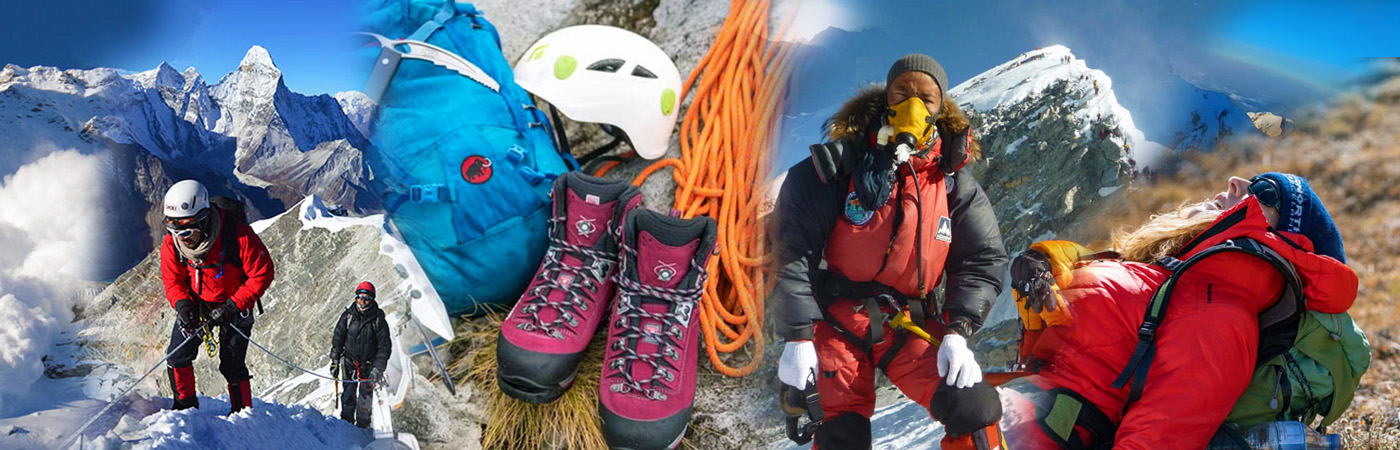
Essential Planning Tips for Nepal Peak Climbing Adventures: Peak climbing in Nepal is a rewarding but challenging adventure that requires careful preparation. With towering Himalayan peaks, changing weather conditions, and high-altitude terrain, proper planning is key to a safe and successful expedition. Before your climb, make sure you have the correct permits, which vary depending on the peak and region. Hiring a licensed guide and porter is highly recommended for navigation, safety, and logistical support. Physical fitness is essential, so regular cardio, strength training, and hiking practice will help you adapt to demanding climbs and high elevations. Proper gear is another crucial factor. Climbers should carry high-quality mountaineering equipment, including crampons, ice axes, ropes, helmets, and insulated clothing suitable for extreme cold conditions. Layering is important to adjust to changing temperatures throughout the day. Acclimatization should never be rushed. Plan gradual ascents and include rest days to reduce the risk of altitude sickness. Staying hydrated and maintaining a balanced diet also helps improve endurance at higher elevations. Finally, choose a reliable trekking or climbing agency with experienced staff and good safety standards. This ensures proper logistics, emergency support, and a well-organized expedition. With the right preparation and mindset, Nepal’s peak climbing adventures offer an unforgettable experience of the world’s highest mountains and breathtaking Himalayan landscapes.
Embarking on a peak climbing adventure in Nepal is a thrilling journey that promises breathtaking vistas, physical challenges, and a deep connection with the world’s highest mountains. However, to make the most of this experience and ensure your safety, meticulous planning is paramount. In this guide, we’ll walk you through Essential planning tips for Nepal peak climbing adventures, covering everything from physical preparation to handling altitude sickness.
Mastering Potential Challenges
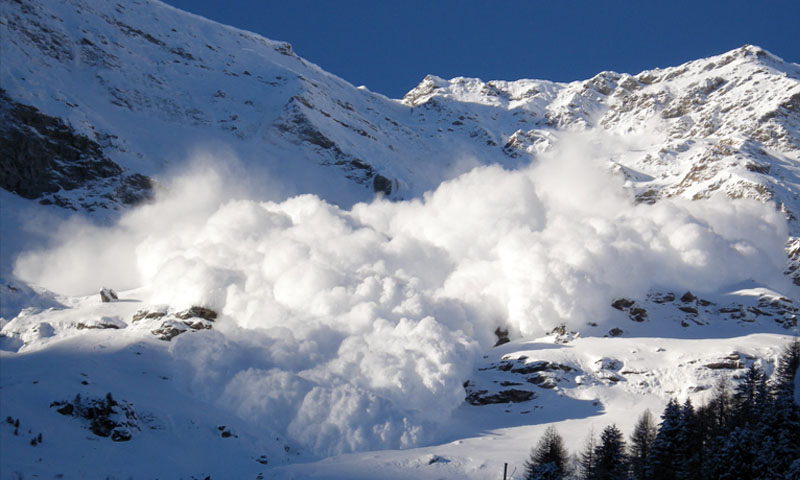
it’s crucial to be well-prepared and informed to ensure a successful and safe climb. In this guide, we’ll explore the dos and don’ts of peak climbing in Nepal, helping you navigate the potential challenges that come with this exhilarating endeavor.
The Dos:
- Do Acclimatize Properly: Altitude sickness can be a real threat in the Himalayas. Allow your body time to adjust by taking gradual ascent routes and scheduling rest days.
- Do Invest in Quality Gear: Your gear can make or break your climb. Ensure you have reliable equipment suitable for the challenging conditions.
- Do Stay Hydrated and Nourished: Maintaining proper hydration and nutrition is essential at high altitudes. Pack enough food and drink to sustain your energy levels.
- Do Train Adequately: Physical fitness is key. Prioritize cardio, strength training, and endurance exercises in your pre-climbing regimen.
- Do Follow the Advice of Experienced Guides: Hire local guides with extensive knowledge of the terrain. Their expertise can be a lifesaver.
The Don’ts:
- Don’t Rush the Climb: Patience is vital in peak climbing. Rushing can lead to exhaustion and altitude-related problems.
- Don’t Ignore Altitude Sickness Symptoms: Headaches, nausea, and dizziness are signs of altitude sickness. Descend if symptoms worsen.
- Don’t Neglect Weather Forecasts: Weather in the mountains can change rapidly. Stay updated on forecasts and plan accordingly.
- Don’t Carry Unnecessary Weight: Keep your backpack as light as possible. Only carry essential gear and supplies.
- Don’t Push Beyond Your Limits: It’s okay to turn back if conditions become too challenging or if you don’t feel well. Safety should always be the top priority.
Peak climbing in Nepal offers unparalleled experiences, but it’s not without its challenges. By adhering to these dos and don’ts, you’ll be better equipped to handle the rigors of the journey and increase your chances of reaching the summit safely. Remember that success in peak climbing is not only about conquering the peaks but also about returning safely to share your incredible adventure with others.
So, as you prepare for your peak climbing expedition in Nepal, keep these guidelines in mind. With the right preparation and a mindset focused on safety and responsibility, you can master the potential challenges and embark on a journey to remember for a lifetime.
Peak Climbing Restrictions
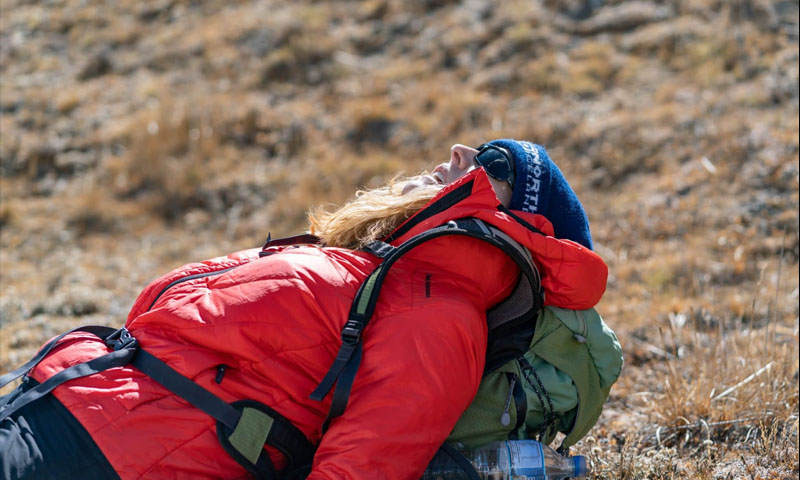
Who Should Avoid Summiting Peaks
Not everyone is equally suited for the challenges that come with summiting peaks. In this guide, we’ll explore who should consider avoiding peak climbing to ensure safety, enjoyment, and the preservation of this pristine environment.
Health Considerations
- Serious Medical Conditions: Individuals with severe medical conditions such as heart problems, respiratory issues, or uncontrolled diabetes should avoid peak climbing. The high altitudes and physical demands can exacerbate these conditions, posing a serious risk to health.
- Pregnant Women: Pregnancy introduces a range of physiological changes. The stress and altitude can negatively impact both the mother and the developing fetus. It’s advisable for pregnant women to refrain from peak climbing.
- Recent Surgery or Injury: Individuals recovering from recent surgeries or injuries need to prioritize their healing process. Engaging in peak climbing can impede recovery and lead to complications.
Age and Fitness
- Children and Infants: Due to the extreme conditions and physical demands, peak climbing is not suitable for children and infants. They may not be able to communicate discomfort or adapt to altitude changes effectively.
- Lack of Physical Fitness: Peak climbing is physically demanding, requiring strength, endurance, and agility. Those who are significantly out of shape should engage in a rigorous fitness regimen before considering a climb.
Inexperience
- Inexperienced Climbers: Novice climbers should avoid tackling challenging peaks independently. Instead, opt for guided expeditions led by experienced mountaineers.
- Lack of Training: Proper training in mountaineering skills, including ice and rock climbing, is essential for tackling challenging peaks. Those without training should not attempt climbs beyond their skill level.
Environmental Responsibility
- Inadequate Respect for the Environment: Peak climbing destinations are often in environmentally sensitive areas. Those who do not follow Leave No Trace principles and respect local regulations should avoid climbing to preserve these pristine landscapes.
- Overcrowding: Peak climbing destinations are vulnerable to overcrowding, which can lead to environmental degradation. Climbers should consider alternative, less-traveled routes or opt for less busy seasons to minimize their impact.
Always consult with medical professionals and experienced climbers to assess your suitability for peak climbing. If you fall into one of the categories mentioned above, consider alternative outdoor adventures that are better suited to your health and fitness level. It’s essential to make informed decisions to guarantee a memorable and safe adventure in the mountains.
Altitude Sickness
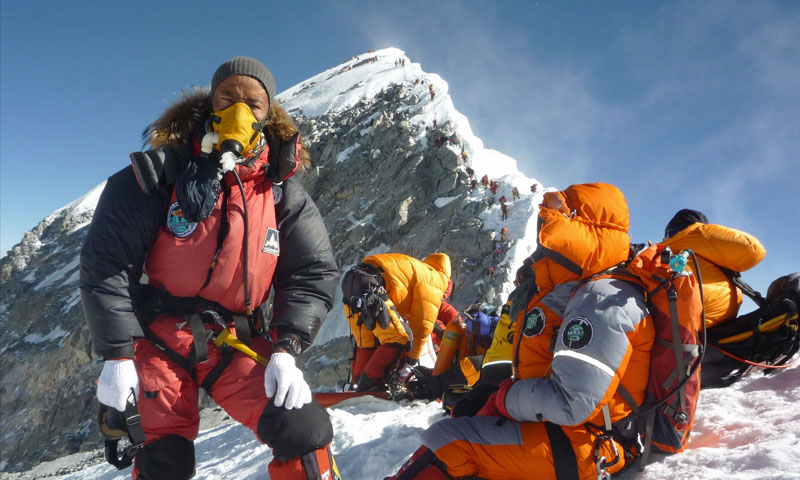
How to Handle It and What to Do
Altitude sickness, also known as acute mountain sickness (AMS), is a common concern for individuals who venture to high-altitude destinations, including those embarking on peak climbing adventures in Nepal. It’s essential to be well-informed about the symptoms, prevention, and treatment of altitude sickness to ensure a safe and enjoyable journey. In this guide, we’ll explore what altitude sickness is, how to handle it, and what to do if you or a fellow climber experience its symptoms.
Understanding Altitude Sickness
Altitude sickness occurs when you ascend to high altitudes too quickly, and your body doesn’t have adequate time to acclimatize to the reduced oxygen levels. The severity of symptoms can range from mild to life-threatening, so it’s crucial to recognize and address them promptly.
Common Symptoms of Altitude Sickness:
- Headache: A persistent headache, often described as a throbbing sensation, is one of the earliest signs of altitude sickness.
- Nausea and Vomiting: Feeling nauseated and vomiting are common symptoms, especially as you gain altitude.
- Fatigue: Unusual tiredness or exhaustion, even with minimal exertion, is a frequent symptom.
- Dizziness and Lightheadedness: Feeling dizzy or lightheaded is a sign that your body is struggling with the altitude.
- Shortness of Breath: Difficulty in breathing or shortness of breath, especially during physical activity, can indicate altitude sickness.
How to Handle Altitude Sickness
- Immediate Descent: If you or a fellow climber experience severe symptoms of altitude sickness, the best course of action is to descend to a lower altitude immediately. Even a descent of a few hundred meters can provide significant relief.
- Rest and Hydration: Mild symptoms can often be alleviated by resting at the same altitude for a day or two and drinking plenty of fluids.
- Medications: Acetazolamide (Diamox) is a medication that can help prevent and treat altitude sickness by aiding acclimatization. Consult with a medical professional before taking any medications.
- Supplemental Oxygen: In severe cases, supplemental oxygen may be necessary. Carry portable oxygen canisters if you are trekking or climbing at high altitudes.
- Watch for Progression: Continuously monitor symptoms and their severity. If they worsen, consider a rapid descent.
Prevention of Altitude Sickness
- Gradual Ascent: Ascend slowly, allowing your body time to acclimatize. It’s generally recommended to increase your sleeping altitude by no more than 300-500 meters per day above 3,000 meters.
- Stay Hydrated and Well-Fed: Drink plenty of water and eat balanced meals to maintain your energy levels.
- Avoid Alcohol and Sleeping Pills: These substances can worsen altitude sickness symptoms, so it’s best to avoid them while at high altitudes.
- Listen to Your Body: Pay attention to your body’s signals. If you experience symptoms, take them seriously and act accordingly.
Altitude sickness is a genuine concern when venturing into high-altitude environments like the Himalayas. Being well-prepared, informed, and attentive to your body’s signals is key to preventing and handling altitude sickness. While the allure of reaching mountain peaks is strong, your health and safety should always come first. By following these guidelines and taking appropriate measures, you can minimize the risks and enjoy the stunning landscapes of high-altitude destinations safely and responsibly.
Importance of Experienced Guides in Peak Climbing
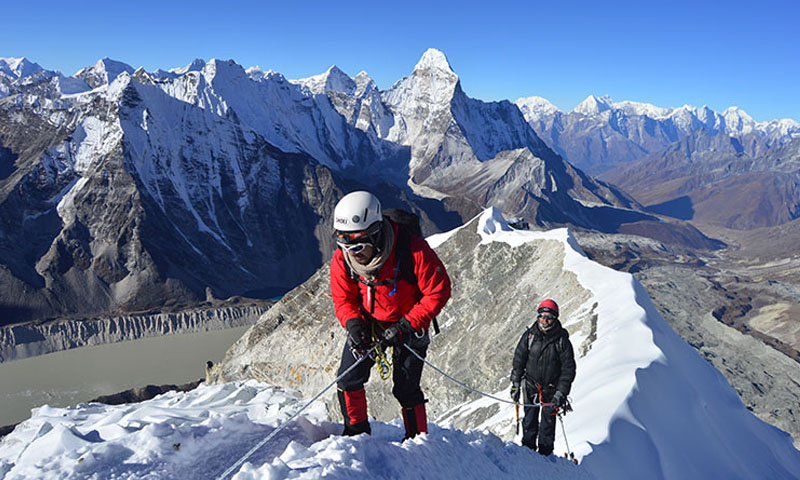
The success and safety of your climb can significantly depend on the expertise of your guide. Here, we’ll emphasize the pivotal role experienced guides play in peak climbing and highlight the potential challenges associated with inexperienced guides.
Read: How To Choose Right Guide in Nepal?
The Crucial Role of Experienced Guides
Experienced guides are the backbone of any successful peak climbing expedition. They bring invaluable knowledge, skills, and expertise to the table, ensuring that climbers are well-prepared to face the challenges of high-altitude environments. Here’s why they are indispensable:
- Safety First: Experienced guides prioritize safety above all else. They are well-versed in recognizing the early signs of altitude sickness and can make quick, informed decisions to ensure the well-being of climbers.
- Navigational Proficiency: Navigating through complex and often treacherous terrain in the Himalayas requires expert knowledge. Experienced guides are adept at route-finding, reducing the risk of getting lost.
- Technical Skills: Depending on the peak’s difficulty level, climbers may encounter technical sections such as ice and rock climbing. Experienced guides provide critical instruction and assistance in these areas.
- Altitude Acclimatization: Guides understand the importance of gradual altitude acclimatization and can adjust the itinerary accordingly. This significantly reduces the risk of altitude-related illnesses.
- Emergency Response: In the event of an emergency, experienced guides are well-prepared to administer first aid and coordinate rescue operations, ensuring climbers’ safety.
Know more about Role of guide during your climbing
The Challenges of Inexperienced Guides
While inexperienced guides may be more affordable, they often lack the comprehensive knowledge and skills necessary for peak climbing in Nepal‘s challenging conditions. Here are the potential challenges climbers may face with inexperienced guides:
- Safety Concerns: Inexperienced guides may not recognize the signs of altitude sickness or may not know how to respond effectively, putting climbers at risk.
- Navigational Errors: Guides without extensive experience can lead climbers off-route, potentially leading to dangerous situations.
- Lack of Technical Expertise: Technical climbs require precise skills and knowledge. Inexperienced guides may not be equipped to guide climbers through these sections safely.
- Limited Emergency Response: Inexperienced guides may struggle to manage emergencies, delaying crucial medical attention.
The importance of experienced guides in peak climbing cannot be overstated. They are your mentors, navigators, safety net, and much more. While cost considerations may tempt climbers to opt for inexperienced guides, it’s essential to prioritize safety and success over budget concerns.
When planning your peak climbing adventure in Nepal, choose a reputable guide service with a track record of experienced and qualified guides. Their expertise will not only enhance your chances of reaching the summit but also ensure a safe and memorable journey amidst the awe-inspiring beauty of the Himalayas. Remember, the right guide can make all the difference in turning your climbing dream into a reality.
Essential Equipment for Peak Climbing in Nepal
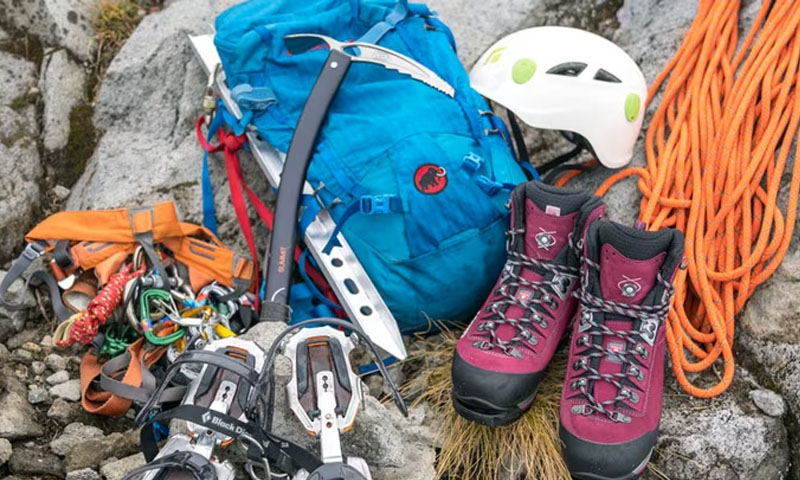
What to Carry and What Not to Carry
Here, we’ll explore the necessary gear for peak climbing in Nepal, highlighting what you should carry to ensure safety and success, as well as what items you should leave behind to keep your load manageable.
What to Carry
- Climbing Gear: Depending on the peak’s difficulty, you may need ice axes, crampons, harnesses, helmets, carabiners, and ropes. Consult with your guide to determine the specific requirements.
- Clothing: Dress in layers to adapt to changing temperatures. Essentials include moisture-wicking base layers, insulating mid-layers, a waterproof and windproof outer layer, and high-quality gloves and hats.
- Footwear: Invest in sturdy, waterproof mountaineering boots with excellent ankle support. Ensure they are properly broken in before your climb to prevent blisters.
- Backpack: Choose a comfortable, durable, and appropriately sized backpack. It should have enough capacity to carry your gear and essentials.
- Sleeping Bag and Pad: Select a high-quality sleeping bag suitable for sub-zero temperatures. A lightweight sleeping pad adds insulation and comfort.
- Trekking Poles: Trekking poles provide stability and reduce the impact on your knees during descents.
- Headlamp: A reliable headlamp with extra batteries is essential for navigating in the dark.
- Navigation and Communication: Carry a map, compass, or GPS device. A satellite phone or emergency beacon can be a lifesaver in remote areas.
- Food and Hydration: High-energy, non-perishable foods such as energy bars, nuts, and dehydrated meals are essential. Also, bring a hydration system with a water reservoir and purification tablets or a filter.
- First Aid Kit: Include bandages, antiseptic wipes, pain relievers, blister treatment, and any personal medications.
- Documents: Carry identification, permits, and contact information for emergency contacts.
What Not to Carry
- Excessive Weight: Avoid carrying unnecessary items or overpacking. Extra weight can slow you down and increase the risk of fatigue.
- Unsuitable Clothing: Leave fashion behind. Focus on functional, moisture-wicking, and warm clothing. Avoid cotton, as it retains moisture and can lead to hypothermia.
- Non-Essential Electronics: Limit the use of electronics like laptops and excessive camera equipment. They add weight and require charging.
- Heavy Reading Material: Opt for e-books or lightweight reading material to keep your pack weight down.
- Non-Climate-Appropriate Gear: Don’t carry gear designed for different climates. Choose equipment suitable for the cold and challenging conditions of high altitudes.
Proper equipment is the foundation of a successful and safe peak climbing adventure in Nepal. Carefully select gear that suits the specific requirements of your chosen peak and the prevailing weather conditions. While it’s essential to be well-prepared, remember that overloading your backpack with unnecessary items can hinder your progress and enjoyment. Pack wisely, prioritize functionality, and embrace the adventure with a comfortable and well-organized load that ensures your safety and comfort throughout your ascent.
By following these essential planning tips, you can embark on your Nepal peak climbing adventure with confidence. Remember that safety should always be a top priority. With the right preparation, physical conditioning, and expert guidance, you can conquer the peaks of Nepal and experience the awe-inspiring beauty of the Himalayas while ensuring a safe and memorable journey.

Himalayan Magic Treks
A Himalayan travel contributor sharing destination guidance, local insight and practical planning advice.
Traveler Comments