Safe Trekking & Peak Climbing Destinations in Nepal after the Rasuwa Flash Flood: Nepal Remains Open for Adventure
The devastating flash flood that struck the Rasuwa and Bhote Koshi corridor on August 26, 2026, has deeply affected local communities and infrastructure in the region. Our thoughts are with everyone impacted by this tragic disaster. However, it is important to understand that the flood did not affect all trekking and mountaineering regions of Nepal. Nepal is a geographically diverse country, and its major trekking and peak-climbing destinations are spread across different mountain regions.
According to recent updates from Nepal’s tourism sector, major destinations including Everest, Annapurna, Manaslu and Kanchenjunga remain operational, although travelers should always check the latest trail, road, weather and access conditions before departure.
For travelers planning an adventure in Nepal, the following destinations remain strong alternatives to routes directly affected by the Rasuwa disaster.
1. Annapurna – A Reliable Choice for Trekking
The Annapurna region remains one of Nepal’s most popular and diverse trekking destinations. Located far from the Rasuwa flood corridor, the region offers a wide range of routes, from comfortable short treks to challenging high-altitude journeys. Popular adventures includes:
Annapurna Circuit Trek
Annapurna Base Camp Trek
Mardi Himal Trek
Tilicho Lake Trek
Ghorepani–Poon Hill Trek
With spectacular mountain scenery, traditional villages, diverse landscapes and well-established trekking infrastructure, Annapurna is an excellent choice for travelers looking for a Himalayan adventure while avoiding the flood-affected northern corridor.
2. Everest – Trek to the Roof of the World
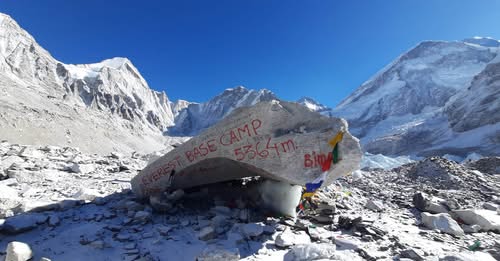
The Everest region is geographically separate from the Rasuwa flood-affected corridor and remains one of Nepal’s premier destinations for trekking and mountaineering. The Everest region offers:
Everest Base Camp Trek
Gokyo Valley Trek
Everest Three Passes Trek
Everest Base Camp with Gokyo
Island Peak climbing
Lobuche Peak climbing
Mount Everest expedition
The region’s established trekking infrastructure and strong local tourism network make it a leading option for autumn adventures. Nevertheless, high-altitude weather can change rapidly, so trekkers and climbers should travel with experienced guides and follow current safety information.
3. Kanchenjunga – Remote and Pristine Himalaya
For travelers seeking a quieter and more remote Himalayan experience, the Kanchenjunga region offers an exceptional alternative.
Located in eastern Nepal, Kanchenjunga is far from the Rasuwa flood zone. The region is renowned for its untouched landscapes, remote mountain villages, rich biodiversity and spectacular views of Mount Kanchenjunga.
The Kanchenjunga area is particularly suitable for experienced trekkers looking for a wilderness adventure away from the country’s busier trekking routes.
Because of its remoteness, proper preparation, experienced local guides, appropriate permits and contingency planning are essential.
4. Upper Mustang – The Hidden Kingdom
Upper Mustang is another compelling destination for travelers planning a Himalayan journey after the Rasuwa disaster. Situated in the rain-shadow region of the Himalayas, Upper Mustang offers a dramatic landscape of red cliffs, ancient caves, monasteries, traditional villages and Tibetan-influenced culture.
Upper Mustang is geographically distant from Rasuwa and provides a completely different trekking experience. Its restricted-area status means travelers need the appropriate permits and must follow local regulations.
5. Dolpo – Wilderness beyond the Crowds
For adventurous travelers seeking solitude, Dolpo remains one of Nepal’s most extraordinary trekking destinations.
Located in western Nepal, Dolpo is far removed from the Rasuwa flood corridor. The region is famous for its remote valleys, high mountain passes, turquoise lakes, ancient Buddhist culture and spectacular Himalayan wilderness.
Upper Dolpo Trek
Lower Dolpo Trek
Phoksundo Lake Trek
Shey Gompa and Crystal Mountain region
Dolpo is best suited to experienced trekkers because of its remoteness, limited infrastructure and challenging terrain. Careful logistics, permits, acclimatization and professional support are essential.
6. Manaslu – An Outstanding Alternative
The Manaslu region is another major Himalayan destination outside the direct impact zone of the Rasuwa flash flood.
The Manaslu Circuit offers a spectacular combination of dramatic mountain scenery, traditional Himalayan villages, Buddhist culture and challenging high-altitude trekking. The route culminates at the Larkya La Pass, one of Nepal’s most impressive high mountain passes.
Manaslu is ideal for travelers who want a less crowded alternative to Everest and Annapurna while still experiencing an authentic Himalayan journey.
The region requires special permits and regulated trekking arrangements, so travelers should organize their trek through an authorized trekking agency and experienced guide.
Travel Safely and Responsibly
While many of Nepal’s major trekking destinations remain open, “open” does not mean risk-free. Mountain travel always requires careful preparation, and conditions can change because of weather, landslides, road damage, snowfall or other natural hazards.
After the Rasuwa disaster, travelers should:
→ Check the latest official route and access information before departure.
→ Avoid entering flood-affected areas unless authorities confirm that they are safe.
→ Confirm road and flight conditions with your trekking agency.
→ Trek with an experienced and properly licensed guide where required.
→ Obtain the necessary trekking or climbing permits.
→ Allow extra time in the itinerary for weather and transportation delays.
→ Carry appropriate clothing, equipment, insurance and emergency supplies.
→ Follow instructions from local authorities and conservation-area officials.
→ Choose responsible local operators who support affected communities.
→ Travel to Nepal, Support Local Communities
→ Tourism is an important source of income for thousands of families across Nepal’s mountain regions. The recent disaster has created significant uncertainty for tourism businesses, guides, porters, hotels, transport providers and local communities.
Choosing destinations that are currently accessible and safe can allow travelers to experience Nepal while also contributing to the recovery of the country’s tourism economy.
Nepal is not one single trekking destination. From the Annapurna and Everest regions to Kanchenjunga, Upper Mustang, Dolpo and Manaslu, the country’s Himalayan landscape offers many routes far beyond the area directly affected by the Rasuwa flood.
Your Himalayan Adventure Can Continue
The Rasuwa flash flood is a heartbreaking reminder that mountain travel requires respect for nature, preparation and responsible decision-making. At the same time, it should not lead travelers to assume that the entire Himalayan region of Nepal is closed.
Annapurna, Everest, Kanchenjunga, Upper Mustang, Dolpo and Manaslu offer remarkable alternatives for trekkers and climbers looking to explore Nepal’s Himalayas. Choose your destination carefully, verify current conditions, travel responsibly and explore Nepal with an experienced local team. The Himalayas are waiting — safely, responsibly and respectfully.

Himalayan Magic Treks
A Himalayan travel contributor sharing destination guidance, local insight and practical planning advice.
Traveler Comments