
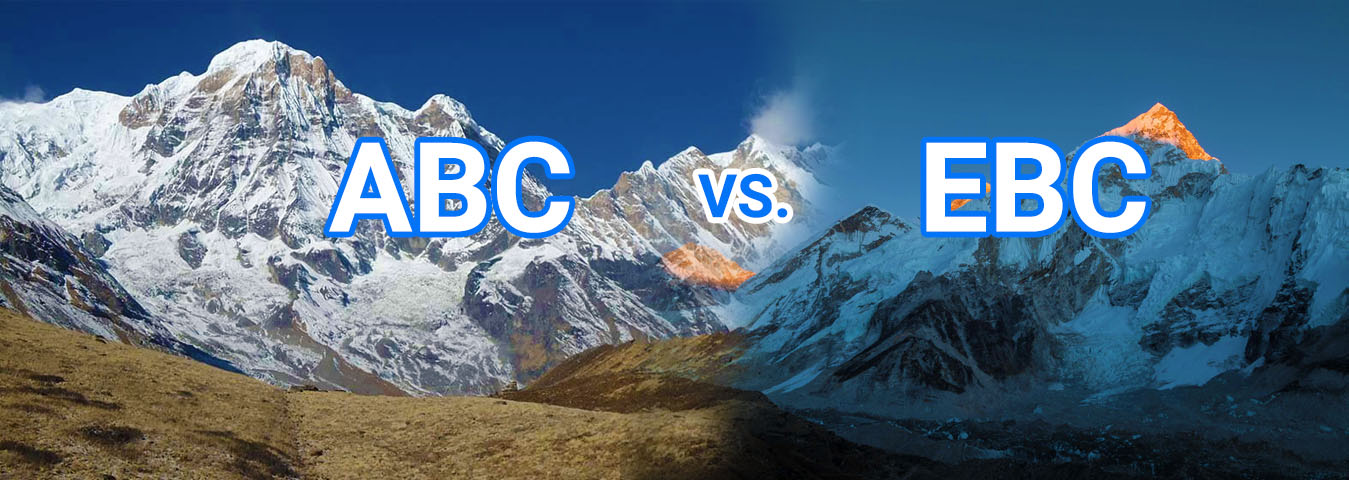
Annapurna Base Camp Trek vs. Everest Base Camp Trek: The Annapurna Base Camp (ABC) Trek and Everest Base Camp (EBC) Trek are two of Nepal’s most popular trekking adventures. While both offer stunning Himalayan views and rich cultural experiences, they cater to different types of trekkers. The Annapurna Base Camp Trek is shorter, more affordable, and reaches a lower altitude of 4,130 meters, making it ideal for beginners and those with limited time. In contrast, the Everest Base Camp Trek takes trekkers to 5,364 meters and offers the unforgettable experience of standing at the base of the world’s highest mountain, Mount Everest. ABC features diverse landscapes, including forests, villages, and mountain panoramas, while EBC is known for its dramatic high-altitude scenery, glaciers, and Sherpa culture. If you’re seeking a moderate trek with varied scenery, Annapurna Base Camp is a great choice. If your goal is to experience the legendary Everest region and challenge yourself at higher elevations, Everest Base Camp is the ultimate adventure.
Nepal, a country synonymous with the majestic Himalayas, offers trekkers a multitude of breathtaking trails that weave through some of the world’s highest peaks. Among these trails, the Annapurna Base Camp (ABC) Trek and the Everest Base Camp (EBC) Trek stand out as iconic journeys that promise adventure, beauty, and cultural immersion. In this comprehensive comparison, we explore the unique features, challenges, landscapes, and experiences that distinguish the Annapurna Base Camp Trek from the Everest Base Camp Trek, helping trekkers make an informed choice based on their preferences and aspirations.
1. Geographical Highlights
Annapurna Base Camp Trek: The Annapurna Sanctuary
The Annapurna Base Camp Trek takes trekkers through the picturesque Annapurna Conservation Area, renowned for its diverse landscapes, lush forests, and terraced fields. The journey culminates at the Annapurna Base Camp, nestled within a natural amphitheater encircled by towering peaks, including Annapurna I, the 10th highest mountain in the world.
Everest Base Camp Trek: The Khumbu Region
The Everest Base Camp Trek ventures into the Khumbu region, home to some of the world’s most famous peaks, including Mount Everest. The trail passes through Sherpa villages, monasteries, and serene landscapes. The trek ends at the Everest Base Camp, offering trekkers a chance to glimpse the towering majesty of Everest.
2. Landscape and Scenery
Annapurna Base Camp Trek: Verdant Valleys and Alpine Meadows
The Annapurna Trail delights trekkers with its ever-changing scenery. The lower altitudes feature terraced fields, rhododendron forests, and traditional villages. As you ascend, the landscape transforms into alpine meadows and glaciers, ultimately leading to the panoramic spectacle of the Annapurna Massif.
Everest Base Camp Trek: Rugged Trails and Glacial Landscapes
The Everest trail is characterized by rugged terrain, river crossings, and suspension bridges. As trekkers ascend, they traverse moraines, rocky paths, and cross glacial rivers. The landscapes evolve into a stark beauty, with icy moraines and towering peaks dominating the horizon.
3. Altitude and Acclimatization
Annapurna Base Camp Trek: Gradual Ascent
The Annapurna Base Camp Trek involves a gradual ascent, allowing for effective acclimatization. The altitude gain is comparatively milder, reducing the risk of altitude-related illnesses. Trekkers can enjoy a well-paced journey while adjusting to higher altitudes.
Everest Base Camp Trek: Higher Altitudes and Challenges
The Everest Base Camp Trek poses greater altitude challenges, with a substantial elevation gain. Trekkers need to pay close attention to acclimatization, taking regular rest days and ascending gradually. The risk of altitude sickness is higher, demanding careful planning and awareness.
4. Cultural Immersion
Annapurna Base Camp Trek: Gurung and Thakali Culture
The Annapurna region is rich in cultural diversity, offering encounters with Gurung and Thakali communities. Trekkers have the opportunity to engage with local traditions, visit monasteries, and experience warm hospitality.
Everest Base Camp Trek: Sherpa Culture and Traditions
The Everest region is synonymous with Sherpa culture. Trekkers pass through Sherpa villages, where Buddhist monasteries and prayer flags line the trails. The cultural experiences are intertwined with the Sherpa way of life and their close connection to the mountains.
5. Trekking Difficulty
Annapurna Base Camp Trek: Moderate Difficulty
The Annapurna Base Camp Trek is considered moderately difficult. The gradual ascent and well-maintained trails make it accessible to trekkers with a moderate level of fitness. Trekkers of various ages and experience levels can undertake this trek.
Everest Base Camp Trek: Moderate to Challenging
The Everest Base Camp Trek falls in the moderate to challenging category. The altitude, varying weather conditions, and strenuous ascents make it more demanding. Trekkers should have a good level of fitness, as well as mental and physical preparedness.
6. Trekking Season and Weather
Annapurna Base Camp Trek: Year-round
The Annapurna Base Camp Trek can be undertaken year-round. The diverse landscapes offer different charms in each season. However, trekkers should be prepared for varying weather conditions and pack accordingly.
Everest Base Camp Trek: Seasonal Variations
The Everest Base Camp Trek is best undertaken during the pre-monsoon (spring) and post-monsoon (autumn) seasons. These seasons offer stable weather, clear skies, and excellent mountain views. Monsoon season (summer) and winter bring challenges such as rain and snow, respectively.
7. Accommodation and Facilities
Annapurna Base Camp Trek: Basic to Comfortable Tea Houses
The Annapurna region boasts a range of tea houses, offering basic to comfortable accommodation. Trekkers can enjoy warm meals and cozy lodging along the way. Accommodation is relatively more available, even during peak seasons.
Everest Base Camp Trek: Tea Houses and Limited Facilities at High Altitudes
The Everest region also offers tea houses for accommodation, but facilities become more basic as you ascend to higher altitudes. Accommodation during peak seasons might require early booking. Restrooms and amenities at higher altitudes can be more primitive.
8. Iconic Views and Highlights
Annapurna Base Camp Trek: Annapurna Massif and Fishtail Peak
The Annapurna Base Camp Trek rewards trekkers with awe-inspiring views of the Annapurna Massif, including Annapurna I, Annapurna South, and Machapuchare (Fishtail Peak). The Annapurna Sanctuary offers a breathtaking amphitheater of snow-capped peaks.
Everest Base Camp Trek: Panoramic Views of Everest and Surrounding Peaks
The Everest Base Camp Trek culminates with panoramic views of the Everest region’s towering peaks. Trekkers can glimpse Mount Everest, Lhotse, Nuptse, and Ama Dablam, among others. The views from Kala Patthar are especially remarkable.
9. Culinary Experiences
Annapurna Base Camp Trek: Local Delicacies and Comfort Food
The Annapurna region introduces trekkers to local delicacies and comfort food. Dal Bhat (rice and lentil stew), momos (dumplings), and locally grown produce are staples. Trekkers can savor diverse flavors as they explore different communities.
Everest Base Camp Trek: Varied Cuisine with Sherpa Influence
The Everest region offers a variety of cuisine with a Sherpa influence. Trekkers can enjoy international dishes along with Sherpa staples like Sherpa stew and yak meat. Tea houses provide hearty meals to refuel trekkers.
10. Permits and Regulations
Annapurna Base Camp Trek: TIMS and ACAP Permits
For the Annapurna Base Camp Trek, trekkers need to obtain the TIMS (Trekkers’ Information Management System) card and the ACAP (Annapurna Conservation Area Permit). These permits contribute to the conservation and management of the region.
Everest Base Camp Trek: Sagarmatha National Park Permit and TIMS Card
The Everest Base Camp Trek requires a Sagarmatha National Park Permit and a TIMS card as well. These permits contribute to the maintenance of the national park and help manage the trekking trails.
11. Choosing the Right Trek for You
Factors to Consider
- Fitness level
- Altitude experience
- Trekking goals (scenery, cultural immersion, etc.)
- Preferred trekking season
- Tolerance to altitude-related challenges
Personal Preferences and Goals
- Annapurna Base Camp Trek might appeal to those seeking varied landscapes and cultural experiences.
- Everest Base Camp Trek might attract those with a desire to witness the world’s highest peaks and immerse in Sherpa culture.
12. Conclusion
Both the Annapurna Base Camp Trek and the Everest Base Camp Trek offer trekkers unparalleled experiences in the Himalayas. The choice between the two depends on individual preferences, fitness levels, and aspirations. Whether you’re drawn to the lush landscapes and cultural diversity of the Annapurna region or the rugged beauty and iconic peaks of the Everest region, both treks promise an adventure of a lifetime. As you set out on your Himalayan journey, remember that the beauty of Nepal lies not just in its towering mountains, but in the diverse trails that lead you to their awe-inspiring summits.

Himalayan Magic Treks
A Himalayan travel contributor sharing destination guidance, local insight and practical planning advice.
Traveler Comments