
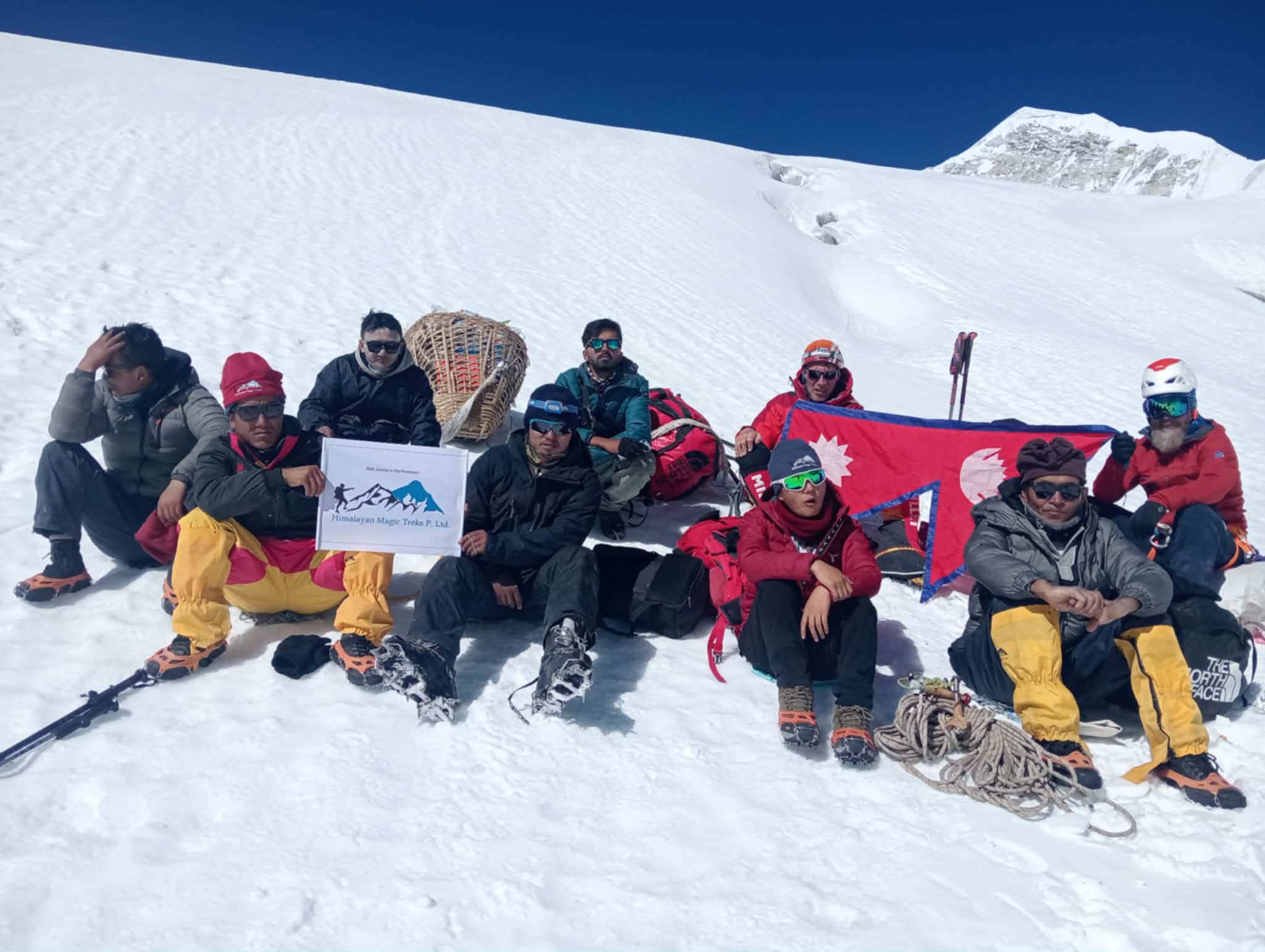
The Epic Adventure of Makalu Sherpani Col Trek: The Makalu Sherpani Col Trek stands as one of Nepal’s most demanding and rewarding high altitude adventures. Nestled in the remote eastern Himalayas, this trek takes explorers deep into untouched wilderness, far from crowded trails and modern comforts. It is designed for experienced trekkers seeking both challenge and raw natural beauty.
The journey offers spectacular views of the Makalu massif, the world’s fifth-highest peak, along with a dramatic landscape of glaciers, steep ridges, and rugged valleys. One of the trek’s defining moments is crossing the formidable Sherpani Col, a high mountain pass that requires technical skill, endurance, and careful acclimatization. Along the route, trekkers encounter pristine alpine environments, isolated campsites, and a profound sense of solitude that defines true Himalayan exploration. The Makalu Sherpani Col Trek is not just a physical challenge it is an expedition into one of the most remote and awe-inspiring regions on Earth, delivering an unforgettable adventure for those prepared to take it on.
How Difficult Is the Makalu Sherpani Col Trek?
The Makalu Sherpani Col Trek is considered one of the most challenging trekking routes in Nepal, suited only for highly experienced trekkers and mountaineering enthusiasts. Its difficulty stems from a combination of high altitude, technical terrain, and remote conditions. Trekkers must navigate steep ascents, glacier crossings, and rugged mountain passes, including the demanding Sherpani Col. The altitude often exceeds 6,000 meters, increasing the risk of altitude sickness and requiring proper acclimatization. In some sections, basic mountaineering skills such as the use of ropes, crampons, and ice axes are essential. In addition to the physical demands, the trek takes place in a very isolated region with limited infrastructure, meaning trekkers must be self-sufficient and well-prepared. Weather conditions can be unpredictable, further adding to the challenge. Overall, the Makalu Sherpani Col Trek is extremely difficult but equally rewarding, offering a true expedition-style experience for those with the skills, fitness, and determination to complete it.
Which Equipment Should I Prepare for Makalu Sherpani Col Trek?
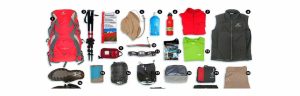
Preparing the right equipment is essential for the Makalu Sherpani Col Trek, as it is a high-altitude and technically demanding expedition. Trekkers must be equipped for extreme weather, rugged terrain, and remote conditions. Key clothing includes layered systems such as moisture-wicking base layers, insulating mid-layers, and a high-quality down jacket for cold temperatures. A waterproof and windproof outer shell is crucial to protect against harsh mountain weather. Durable trekking boots with good ankle support, along with crampons for icy sections, are highly recommended. Technical gear is also necessary for crossing glaciers and high passes. This may include an ice axe, climbing harness, helmet, ropes, and carabineers, depending on the route and conditions. A sturdy backpack, sleeping bag rated for sub-zero temperatures, and a reliable trekking pole will add comfort and safety. Additional essentials sunglasses with UV protection, gloves, a warm hat, a headlamp, a first-aid kit, water purification methods, and high-energy snacks, Since the region is remote, carrying personal supplies and backup gear is important. Proper preparation with the right equipment ensures safety, efficiency, and a more enjoyable experience on this challenging Himalayan adventure.
How to Complete Makalu Sherpani Col, West Col, Amphu Lapsa Pass and With Whom
Completing the demanding route across Makalu Sherpani Col, West Col, and Amphu Lapsa Pass requires careful planning, technical expertise, and the right support team. This high-altitude traverse is not a standard trek but a full expedition that combines trekking with mountaineering elements in one of Nepal’s most remote regions. To successfully complete this journey, trekkers should first ensure they have prior experience in high-altitude trekking and basic alpine climbing skills. Proper acclimatization, physical fitness, and mental endurance are essential, as the route involves glacier travel, steep ascents, and crossing technical passes above 6,000 meters.
Equally important is choosing a reputable trekking or expedition company. A professional operator provides experienced guides, climbing Sherpas, and logistical support, including permits, route planning, and safety equipment. They also ensure proper risk management, weather monitoring, and emergency preparedness throughout the expedition. Traveling with a certified guide and support crew significantly increases safety and success rates. These experts are familiar with the terrain, technical sections, and rapidly changing mountain conditions, allowing trekkers to focus on the journey itself so we already organized this adventure several times successfully.
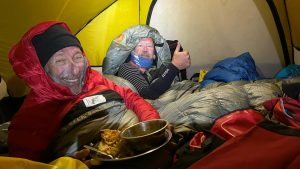
Best Time to Go Sherpani Col, West Col, and Amphu Lapsa Pass Trek
The best time to undertake the Sherpani Col, West Col, and Amphu Lapsa Pass Trek is during the pre-monsoon (spring) and post-monsoon (autumn) seasons in Nepal. These periods offer the most stable weather conditions, clearer skies, and safer mountain environments for high-altitude trekking and technical crossings.
Spring, from April to early June, is one of the most favorable times. During this season, temperatures are relatively moderate, rhododendrons bloom in lower regions, and visibility of the Himalayan peaks is excellent. Snow conditions on high passes are generally more manageable compared to winter.
Autumn, from late September to November, is considered the peak trekking season. The monsoon clears the atmosphere, leaving behind crisp air, dry trails, and outstanding mountain views. Weather stability during this period significantly improves safety and success rates for crossing technical passes like Sherpani Col, West Col, and Amphu Lapsa.
Winter is extremely cold with heavy snow, making the route highly dangerous, while the monsoon season brings heavy rainfall, landslides, and poor visibility. spring and autumn are the safest and most recommended seasons for completing this challenging Himalayan expedition.
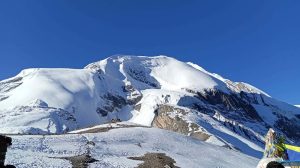
Gamow Bag (Safety First)
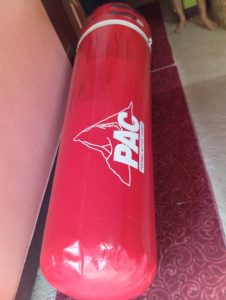
A Gamow Bag is a portable hyperbaric chamber used in high-altitude trekking and mountaineering to treat severe altitude sickness. It helps simulate lower altitude conditions by increasing air pressure inside the bag, providing temporary relief for symptoms of Acute Mountain Sickness (AMS). Lightweight and inflatable, it is essential safety equipment carried on expeditions in regions like the Makalu area, where rapid evacuation may not always be possible.
How Often Is the Sherpani Col, West Col, and Amphu Lapsa Pass Trek Organized?
The Sherpani Col, West Col, and Amphu Lapsa Pass Trek are not a regularly scheduled trekking route due to its extreme difficulty and remote nature. Instead, it is organized on a seasonal and demand-based basis, typically by our team every year. We arrange this adventure only during the optimal trekking seasons spring (April to May) and autumn (September to October) when weather conditions are more stable and safe for high-altitude crossings. Even within these windows, departures are usually customized rather than fixed, depending on group formation, guide availability, and client interest. Because this is a technical expedition requiring experienced guides, climbing Sherpas, and extensive logistics, it is often conducted for small private groups or pre-arranged teams rather than large scheduled departures. the trek is organized a few times each year, primarily on a private or tailor-made basis, making early planning and booking essential for those wishing to undertake this challenging Himalayan traverse.
Makalu Sherpani Col Trek Short Itinerary: 23 Days
Day 01: Arrival at Kathmandu 1,310 meters welcome by Himalayan Magic Treks member and direct transfer to hotel in Kathmandu with Breakfast
Day 02: Morning domestic flight to Tunlingtar 45 minute then Jeep to Num 1505 meters 3 ¾ hours overnight home stay or camp
Day 03: Trek to Sedwa 1530 meters 5/6 hours overnight at home stay or camp
Day 04: Trek to Tashigawn 2065 m 4/5 hours overnight at home stay or camp
Day 05: rest day for acclimatization overnight at home stay or camp
Day 06: Trek Khongma 3562 m 6/7 hours overnight at home stay or camp
Day 07: Trek to Mumbuk this day adventure day due to khonma-la pass 3873m, Tutu-la pass 4056 m, Shipton-la pass 4220 m, Keke-la pass 4152 meters then Mumbuk 3550 meters 7/8 hours overnight at home stay or camp
Day 08: Trek to Yangri kharka 3610 m 5/6 hours overnight at home stay or camp
Day 09: Trek to Langmale kharka 4100 m 5/6 hours overnight at home stay or camp
Day 10: Trek to Makalu Base Camp 4870m 5/6 hours overnight at home stay or camp
Day 11: day hike to excoriation view of mountain glacier overnight at home stay or camp
Day 12: Trek to baruntse base camp 4870m 5/6 hours overnight at camp
Day 13: Trek to Sherpani col high camp 5800 m 6/7 hours overnight at camp
Day 14: Trek via Sherpani col pass 6146 m then west col top 6143 m 6/7 hours overnight at camp
Day 15: Trek via West col 6143 m to Hunkuglacir baruntse base camp 5400 m 6/7 hours overnight at camp
Day 16: Trek to Aamalapcha base camp 5200 meters 5/6 hours overnight at camp
Day 17: Trek via Aamalapcha pass 5839 meters to Imja glacier camp 5222 m 8/9 hours overnight at camp
Day 18: Trek to chhukung 4730 m 7 hours overnight at Lodge
Day 19: Trek to Tengboche 3860 m 5/6 hours overnight at Lodge
Day 20: Trek to Namche 3440 m 5/6 hours overnight at Lodge
Day 21: Trek to Lukla, 7 hours overnight at Lodge
Day 22: fly back to Kathmandu Evening take dinner together with typical Nepali culture overnight at Hotel with Breakfast
Day 23: Departure from Kathmandu to your onward destination
What are included in my Package?
The Trip cost will be very depending on the group size, duration of days and services required so if our program and cost is not match on your Budget according to the services required please contact us via our Email:nabinkarki04@gmail.com with your details to obtain a quote reasonable as per your wish.
⇒ 2 times International Airport picks up & drops by Private Transport as per Group size
⇒ 3 Nights standard Hotel in Kathmandu with Breakfast
⇒ Flight from Kathmandu to Tumlingtar (Guests +Guide) please booked earlier possible because of tight flight for Tumlingtar
⇒ All Camping Staff during the trek with proper gears and equipment
⇒ Flight from Lukla to Kathmandu (Guests +Guide)
⇒ 3 meals per day during the trek (Breakfast, Lunch & Dinner) including Tea or coffee
⇒ All Camping Cook and staff during the Trek as per group size basis
⇒ All Camping and Kitchen Gears
⇒ ( TIMS) Trekkers Information Management System) (permit)
⇒ Makalu Barun National Park fees (permit)
⇒ Sagarmatha National Park Fees (permit)
⇒ Khumbu Pasang Lhamu Rural Municipality Fess (permit)
Accommodation on Tea House (Lodge ) or provided Tents during the trek as mentioned in the trek type
⇒ Experienced Mountain Guide for specially Makalu Sherpani Col (Three Cols) West Col and Amphulaptsa Pass
⇒ All Necessary porters during the trek with proper equipments
⇒ High Altitude Insurance for all Guide and porters during Trek
⇒ All Government local Taxes
⇒ First Aid kit
⇒ General equipment for porter
⇒ Guide and porter salary, Food and accommodation during the trekking and extra services according to the guest per Demand
⇒ Free of cost Himalayan Magic Treks Duffle Bag to protect your Luggage
⇒ Gamo Bag portable ( Safety first for each adventure)
⇒ Himalayan Magic Trek’s Appreciation Certificate after the successful trek
⇒ Company T-shirt, or Cap as a Souvenir
⇒ Farewell dinner with typical Nepali Restaurant
What are excluded from my Package?
⇒ Lunch and dinner in Kathmandu
⇒ Trekking equipment any type of personal expenses such as Alcoholic Beverage drinks, phone and Laundry
⇒ Emergency Rescue and Travel Insurance, Trip Cancellation cost accident or Health, Loss Theft or Damage and personal effects. We Advice you to take out personal Travel Insurance
⇒ Tips and Gratuities
Makalu Sherpani Col Trek Detailed Itinerary: 23 Days
Day 01: Arrival in Kathmandu – 1,310 meters
Upon your arrival at Tribhuvan International Airport in Kathmandu, you will be warmly welcomed by a representative from Himalayan Magic Treks. After the airport reception, you will be directly transferred to your hotel in Kathmandu. Enjoy a comfortable stay with breakfast included and prepare for the exciting adventure.
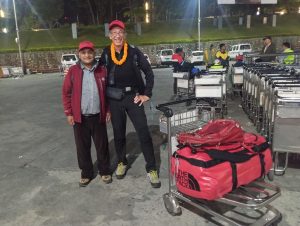
Day 02: Flight to Tumlingtar and Drive to Num – 1,505 meters
After breakfast, take a scenic 45-minute domestic flight from Kathmandu to Tumlingtar, enjoying spectacular views of the Himalayan range. Upon arrival, continue by Jeep through beautiful hills and rural villages to Num, a journey of approximately 3¾ hours. Overnight stay at a local homestay or camp surrounded by peaceful mountain landscapes
Day 03: Trek to Sedwa – 1,530 meters
Today begins the first trekking day as you descend through lush forests and cross suspension bridges over the Arun River before climbing gradually to Sedwa. The trail passes through traditional villages, terraced fields, and beautiful natural scenery, offering a true Himalayan trekking experience. After 5–6 hours of walking, overnight stay at a local homestay or camp in Sedwa.
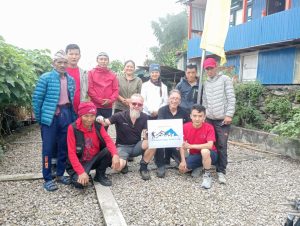
Day 04: Trek to Tashigawn – 2,065 meters
The trail today continues through dense forests, terraced farmland, and small traditional villages as you gradually gain altitude toward Tashigawn. Along the way, enjoy beautiful mountain scenery and the warm hospitality of the local people. After 4–5 hours of trekking, arrive at the charming Sherpa village of Tashigawn for an overnight stay at a homestay or camp.
Day 05: Rest Day for Acclimatization
Today is an important acclimatization day to help your body adjust to the increasing altitude before continuing higher into the mountains. You can relax, explore the surrounding village and hills, or enjoy the peaceful Himalayan atmosphere. Overnight stay at a local homestay or camp
Day 06: Trek to Khongma – 3,562 meters
Today’s trek is a steady uphill climb through beautiful rhododendron forests and alpine landscapes as you gain significant altitude toward Khongma. Along the trail, enjoy stunning mountain views and the peaceful wilderness of the Makalu region. After 6–7 hours of trekking, arrive at Khongma for an overnight stay at a homestay or camp.
Day 07: Trek to Mumbuk – 3,550 meters
Today is one of the most adventurous and scenic days of the trek as you cross several high mountain passes, including Khongma-La Pass (3,873 m), Tutu-La Pass (4,056 m), Shipton-La Pass (4,220 m), and Keke-La Pass (4,152 m). The trail offers breathtaking Himalayan panoramas, rugged alpine landscapes, and an unforgettable trekking experience. After 7–8 hours of challenging trekking, descend through forests to Mumbuk for an overnight stay at a Home stay or camp.
Day 08: Trek to Yangri Kharka – 3,610 meters
Today’s trail leads through peaceful forests, alpine meadows, and along the beautiful Barun River valley toward Yangri Kharka. Surrounded by stunning mountain scenery and untouched nature, the trek offers a relaxing yet rewarding Himalayan experience. After 5–6 hours of walking, arrive at Yangri Kharka for an overnight stay at a homestay or camp.
Day 09: Trek to Langmale Kharka – 4,100 meters
Today’s trek follows the scenic Barun Valley as the landscape becomes more rugged and alpine. Along the trail, enjoy breathtaking views of snow-capped peaks, glaciers, and dramatic mountain scenery. After 5–6 hours of trekking through the high Himalayan wilderness, arrive at Langmale Kharka for an overnight stay at a homestay or camp.
Day 10: Trek to Makalu Base Camp – 4,870 meters
Today’s trek leads you deeper into the heart of the Himalayas as you make your way to Makalu Base Camp. The trail offers dramatic views of glaciers, towering peaks, and the vast wilderness of the Barun Valley. After 5–6 hours of steady ascent, you arrive at the stunning Makalu Base Camp, surrounded by breathtaking Himalayan scenery. Overnight stay at a home stay or camp in this high-altitude environment
Day 11: Day Hike for Glacier and Mountain Views
Today is dedicated to exploration around Makalu Base Camp with a day hike to nearby viewpoints offering spectacular views of glaciers and surrounding Himalayan peaks. This is a great opportunity to enjoy the raw beauty of the high mountains and capture unforgettable scenery. After the hike, return to base camp for an overnight stay at a home stay or camp.
Day 12: Trek to Baruntse Base Camp – 4,870 meters
Today’s trek takes you through remote alpine terrain as you move toward Baruntse Base Camp. The trail offers dramatic mountain scenery, glaciers, and wide open Himalayan landscapes, making the journey both challenging and rewarding. After 5–6 hours of trekking, arrive at Baruntse Base Camp for an overnight stay at camp under the high mountain sky.
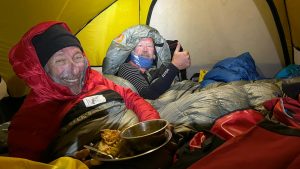
Day 13: Trek to Sherpani Col High Camp – 5,800 meters
Today’s challenging ascent leads you into a dramatic high-altitude landscape as you make your way toward Sherpani Col High Camp. The trail is steep and remote, crossing glacial terrain with outstanding views of surrounding Himalayan peaks. After 6–7 hours of strenuous trekking, arrive at high camp for an overnight stay in tents, preparing for the high pass crossing ahead.
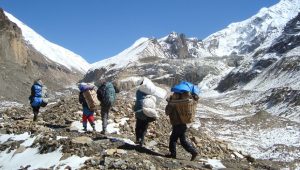
Day 14: Cross Sherpani Col Pass (6,146 m) to West Col Top (6,143 m)
Today is the most demanding and technical section of the journey as you cross the high Himalayan passes of Sherpani Col and West Col. The route involves glacier travel, steep ascents, and breathtaking alpine scenery, offering unforgettable views of the surrounding peaks. After 6–7 hours of intense trekking, descend to a suitable campsite and spend the night camping in a remote high-altitude environment.
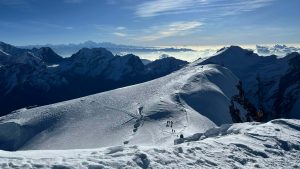
Day 15: Trek via West Col to Hunku Glacier / Baruntse Base Camp – 5,400 meters
Today’s trek continues across the high alpine wilderness as you traverse from West Col down toward the Hunku Glacier. The route offers dramatic glacier landscapes, rugged terrain, and incredible views of surrounding Himalayan giants. After 6–7 hours of challenging trekking, arrive at Baruntse Base Camp area on the Hunku Glacier for an overnight stay at camp in this remote high-altitude setting.
Day 16: Trek to Amadablam (Amphu Lapcha) Base Camp – 5,200 meters
Today’s trek leads you through remote glacial terrain and high alpine landscapes as you move toward Amphu Lapcha Base Camp. The trail is challenging yet rewarding, offering stunning views of surrounding peaks and ice formations. After 5–6 hours of trekking, arrive at base camp for an overnight stay at camp in a dramatic high-altitude setting.
Day 17: Trek via Amphu Lapcha Pass (5,839 m) to Imja Glacier Camp – 5,222 m
Today is one of the most demanding and adventurous days of the journey as you cross the high Amphu Lapcha Pass. The route involves glacier travel, steep sections, and breathtaking views of the surrounding Himalayan peaks. After successfully crossing the pass, descend toward the Imja Glacier. Following 8–9 hours of challenging trekking, arrive at Imja Glacier Camp for an overnight stay at camp in a dramatic high-altitude setting.
Day 18: Trek to Chhukung – 4,730 meters
Today’s trek descends gradually from the high glacier terrain toward the beautiful valley of Chhukung. The trail offers stunning views of towering Himalayan peaks, including Ama Dablam and Lhotse, as you re-enter a more established trekking route. After approximately 7 hours of trekking, arrive at Chhukung and enjoy a comfortable overnight stay at a lodge.
Day 19: Trek to Tengboche – 3,860 meters
Today’s trail descends through beautiful alpine scenery and traditional Sherpa villages as you make your way toward Tengboche. Along the route, enjoy views of Everest, Ama Dablam, and other iconic Himalayan peaks. After 5–6 hours of trekking, arrive at Tengboche, home to the famous monastery, and spend the night comfortably at a lodge.
Day 20: Trek to Namche – 3,440 meters
Today’s trek continues through the scenic Khumbu region, descending and crossing suspension bridges while passing through rhododendron forests and traditional Sherpa settlements. The trail offers beautiful mountain views along the way. After 5–6 hours of trekking, arrive at Namche Bazaar, the vibrant heart of the Everest region, and enjoy an overnight stay at a comfortable lodge.
Day 21: Trek to Lukla
Today’s final trekking day leads you back toward Lukla, following the scenic Dudh Koshi River valley through forests, villages, and suspension bridges. The route is long but rewarding as you retrace your steps through the heart of the Khumbu region. After approximately 7 hours of trekking, arrive in Lukla and enjoy a well-deserved overnight stay at a lodge, marking the completion of your incredible journey.
Day 22: Fly Back to Kathmandu
Today, take a scenic morning flight from Lukla back to Kathmandu, enjoying final aerial views of the Himalayan range. Upon arrival, transfer to your hotel and relax after the trekking adventure. In the evening, celebrate your successful journey with a farewell dinner featuring traditional Nepali cuisine and cultural hospitality. Overnight stay at the hotel with breakfast included.
Day 23: Departure from Kathmandu
After breakfast, you will be transferred to Tribhuvan International Airport for your onward journey. Our team will assist you with your departure arrangements, marking the end of your memorable Himalayan adventure in Nepal. Safe travels!

Himalayan Magic Treks
A Himalayan travel contributor sharing destination guidance, local insight and practical planning advice.
Traveler Comments