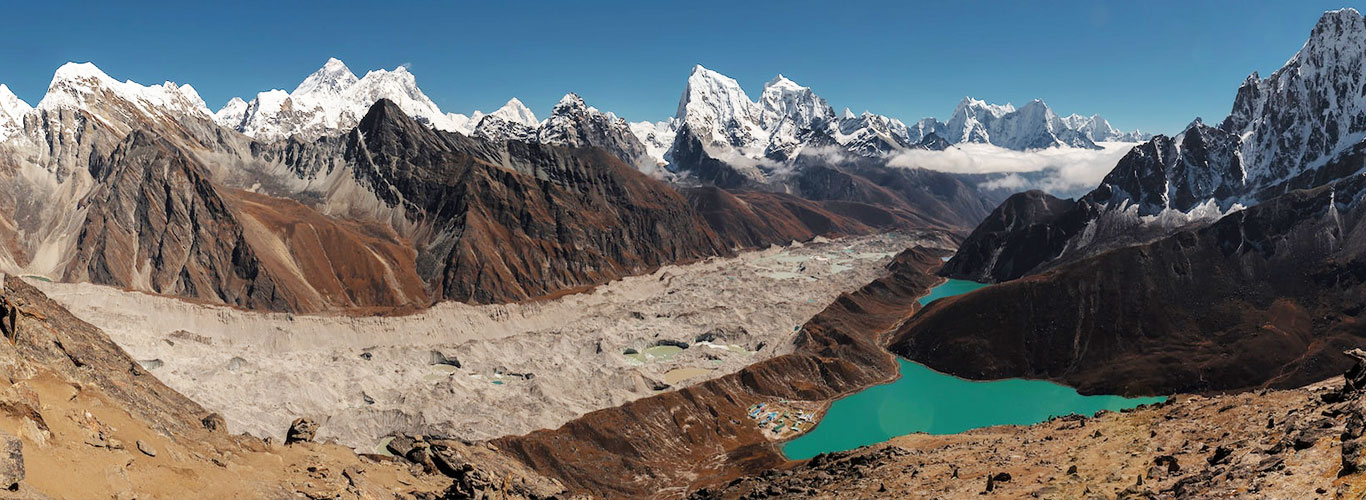
A Complete Trip Guide for Everest Three High Passes Trek: The Everest Three High Passes Trek is one of the challenging adventurous trekking routes in the Khumbu Region, offering breathtaking views of Mount Everest and surrounding hundreds of giants’ peaks. This demanding trek crosses three famous mountain passes Kongma La (5,535m), Cho La (5,420m), and Renjo La (5,360m) while taking trekkers through remote Sherpa villages, ancient monasteries, glaciers, and stunning alpine landscapes. The journey usually begins with a scenic flight to Lukla Airport and follows the classic Everest Base Camp Trail before branching into high altitude wilderness. Admired highlights includes Everest Base Camp, Kala Patthar, Gokyo Lakes, and panoramic Himalayan viewpoints.
This trek typically takes 18–21 days and is best suited for experienced trekkers with good physical fitness. The best seasons are spring (March–May) and autumn (September–November), when the weather is stable and mountain views are clear. Proper acclimatization, quality trekking gear, travel insurance, and an experienced guide are highly recommended for a safe and enjoyable adventure.
The Everest Three High Passes Trek is perfect for travelers seeking a complete Himalayan experience filled with challenge, culture, and unforgettable scenery.
Difficulty Level of Everest Three High Passes Trek
The Everest Three High Passes Trek is considered one of the most challenging trekking adventures in Nepal. The trek involves crossing three high-altitude passes Kongma La, Cho La, and Renjo La, all above 5,000 meters, making it physically demanding and mentally challenging. Trekkers walk for 6–8 hours daily on steep, rocky, and sometimes icy trails while dealing with thin air and changing mountain weather. Good physical fitness, previous trekking experience, and proper acclimatization are essential for completing this trek safely. Although no technical climbing skills are required, the high altitude and long trekking days make it suitable for experienced and well-prepared adventurers seeking a true challenge.
How to prepared by Budgeting for Three High Passes Trek
→ Hotel in Kathmandu: $50 to $150 per night as per Hotel Categories
→ Kathmandu to Lukla flights cost one way $257 x both ways $514 USD.
→ Sagarmatha National Park Permits Expect to pay around $22 for Each People.
→ Khumbu Pasang Lhamu Rural municipality Permits Expect to pay around $22 for Each People.
→ Accommodation: Tea house accommodations cost between $10–$20 USD per night.
→ Food: Meals in tea houses typically cost $10–$15 USD per meal.
→ Hiring a guide from Lukla costs around $30 USD per day including his food and accommodation and salary
→ Hiring a Porter from Lukla costs around $20 USD per day including his food and accommodation and salary
How to proceed of booking my trip to Everest Three High Passes Trek
Booking the Everest Three High Passes Trek is simple when planned properly. Start by choosing your preferred trekking season, usually spring or autumn, and decide whether you want a guided group trek or a private group. Next, final the itinerary, inclusions, safety measures before confirming your trip. After booking, you will typically need to submit a copy of your passport, complete the required permits, and pay a deposit to secure your reservation. It is also important to arrange travel insurance, prepare proper trekking gear, and maintain good physical fitness before arrival in Nepal. Once everything is confirmed, you can get ready for an unforgettable journey with our professional team to led the adventure.
Which Equipment Should I Take for Everest Three High Passes Trek
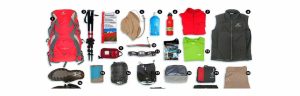
Proper equipment is essential for completing the Everest Three High Passes Trek safely and comfortably. Since the trek reaches elevations above 5,000 meters, trekkers must be prepared for cold temperatures, strong winds, and changing mountain weather.
Essential Trekking Equipment
→ Warm down jacket and waterproof outer shell
→ Thermal base layers, fleece jacket, and trekking pants
→ Comfortable waterproof trekking boots with good grip
→ Warm hat, gloves, neck gaiter, and wool socks
→ Sleeping bag suitable for sub-zero temperatures
→ Trekking poles for stability on steep and rocky trails
→ Backpack and daypack with rain cover
→ Sunglasses, sunscreen, and lip balm for high-altitude protection
→ Water bottles or hydration system with purification tablets
→ Headlamp with extra batteries
→ Basic first-aid kit and personal medications
Optional but Useful Items
→ Microspikes for icy sections during colder months
→ Power bank or solar charger
→ Camera or binoculars for mountain views
→ Energy bars and snacks for long trekking days
Packing light but carrying high-quality gear will make your trekking experience safer, warmer, and more enjoyable in the Everest region.
Preparations & Tips for Three Pass Trekking
Proper preparation is very important before joining the Everest Three High Passes Trek. Since this trek involves long walking days, high altitudes, and challenging mountain passes, trekkers should begin physical training several weeks in advance. Regular hiking, cardio exercises, and strength training can help improve endurance and stamina.
It is also important to pack appropriate trekking gear, including warm clothing, waterproof boots, and a good sleeping bag. Allow enough time for acclimatization to reduce the risk of altitude sickness, stay hydrated throughout the trek, and maintain a slow and steady walking pace. Hiring an experienced guide and choosing the best trekking season’s spring or autumn can greatly improve safety and overall trekking experience.
How can I reach Three Pass Trekking in Nepal
The Everest Three High Passes Trek begins in the famous mountain town of Lukla, which is the main gateway to the Everest region. Most travelers first arrive in Kathmandu, the capital of Nepal, and then take a short scenic flight to Tenzing-Hillary Airport. During peak trekking seasons, flights may also operate from Ramechhap instead of Kathmandu. After reaching Lukla, the trekking journey officially starts with a walk through Sherpa villages, suspension bridges, and beautiful Himalayan landscapes. Some trekkers also choose an alternative route by driving to Jiri or Salleri and trekking longer into the Everest region, but flying to Lukla remains the fastest and most popular option.
Who Will Be My Guide for Three Pass Trek?
During the Everest Three High Passes Trek, you will usually be accompanied by a professional and experienced trekking guide who is familiar with the Everest region, mountain trails, local culture, and high-altitude safety. Most guides are licensed by the Nepal tourism authorities and are trained in first aid, altitude sickness awareness, and emergency support.
Your guide will help manage the daily itinerary, arrange accommodations, assist with navigation across the high mountain passes, and provide valuable information about the local Sherpa culture and Himalayan landscapes. Many trekking packages also include porters who help carry your luggage, allowing you to enjoy the trek more comfortably and safely.
Who Will Be a Porter for Three Pass Trek:
During the Everest Three High Passes Trek, porters are experienced local mountain workers who help carry trekkers’ luggage and trekking equipment throughout the journey. Most porters come from the lower part of Solukhumbu regions of Nepal and are well adapted to the high-altitude environment and rugged mountain trails.
Hiring a porter allows trekkers to walk more comfortably with a light daypack while the porter carries heavier bags and supplies. Porters play an important role in supporting safe and successful trekking experiences, and they are highly respected members of every trekking team in the Everest region.
Do We Need an Advance Booking Confirmation for Three Pass Trek:
Yes, advance booking confirmation is highly recommended for the Everest Three High Passes Trek, especially during the popular trekking seasons of spring and autumn. Early booking helps secure domestic flights to Lukla, trekking permits, accommodations, guides, and porters, which can become limited during busy months.
Booking in advance also gives trekkers enough time to prepare necessary documents, travel insurance, trekking gear, and physical training before arriving in Nepal. It ensures a smoother and better-organized trekking experience in the Everest region.
Which Pass Is More Difficult to Cross in the Three Pass Trek?
Among the three high passes of the Everest Three High Passes Trek: Kongma La, Cho La, and Renjo La, the Kongma La Pass is generally considered the most difficult to cross. At an elevation of around 5,535 meters, it is the highest of the three passes and involves steep ascents, rocky trails, and physically demanding terrain. The route is also more remote and less crowded, which can make the crossing more challenging. Cho La Pass is known for its icy glacier section and can be difficult during snowy conditions, while Renjo La Pass is often considered the easiest and most scenic of the three. However, the difficulty of each pass can vary depending on weather, trail conditions, and the trekker’s fitness and acclimatization.
Choose an Itinerary & Cost for Three Pass Trek as per Your Budget
The Everest Three High Passes Trek offers flexible itinerary options and varying costs, allowing trekkers to choose a package that matches their budget and travel style. The trek usually takes 18–21 days, covering Everest Base Camp, Gokyo Lakes, and three high passes, but the level of comfort and services can be customized.
Budget options typically include basic teahouse accommodation, shared rooms, and essential services, while standard packages add better lodging, meals, guide, porter, and flights. Premium packages offer more comfort, private services, and additional support for a smoother experience.
On average, the trek cost ranges from around USD 1,500 to USD 4,500 depending on service level, group size, and inclusions. Choosing the right itinerary ensures you balance adventure, comfort, and cost while enjoying a safe and unforgettable journey.
How Much Tips to Give My Guide and Porter After Completing the Three Pass Trek
After completing the Everest Three High Passes Trek, it is customary to give tips to your guide and porter as a gesture of appreciation for their hard work and support throughout the journey. While tipping is not mandatory, it is widely practiced in the trekking industry in Nepal.
A general guideline is to tip your guide around 10–15% of the total trekking cost, depending on the quality of service, and your porter around 5–10% or a fixed amount based on trek duration. Many trekkers also choose to give an equal share if traveling in a group. Tips are usually given at the end of the trek in cash, along with a small thank-you note or appreciation speech, which is highly valued by the trekking crew.
Food and Accommodation in Three Pass Trek
During the Everest Three High Passes Trek, food and accommodation are mainly provided in local teahouses along the trekking route. These are simple mountain lodges run by Local families, offering basic but comfortable facilities for trekkers. Meals usually include a mix of Nepali and international dishes such as dal bhat (rice and lentils), noodles, pasta, soups, eggs, pancakes, and potatoes. While the menu is quite varied, food options become more limited at higher altitudes due to transportation challenges. Accommodation is generally in twin-sharing rooms with basic beds, blankets, and shared bathrooms. As you ascend higher, facilities become more basic, but teahouses provide a warm place to rest, eat, and meet fellow trekkers. Overall, food and lodging are simple but sufficient for a challenging high-altitude adventure.
How Reliable is Lukla Flight to Go to Everest Three Pass Trek
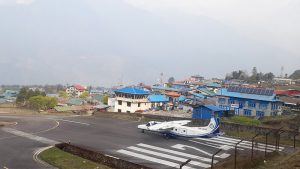
The flight to Lukla Airport is the main gateway to the Everest Three High Passes Trek, but its reliability is highly dependent on weather conditions in the Himalayas.
Flights are generally safe but not fully reliable on schedule. The airport operates only in clear visibility and calm wind conditions, so even small changes in weather can lead to delays or cancellations. In fact, flights are often delayed for hours or even a few days during poor weather periods. The most reliable flying seasons are spring (March–May) and autumn (September–November), when skies are clearer and flight success rates are higher. However, even in these seasons, morning fog or sudden weather changes can still affect schedules. For trekkers, it is important to plan with flexibility by keeping buffer days in Kathmandu and avoiding tight international connections. Overall, Lukla flights are a normal and widely used option for Everest trekking, but they require patience and backup planning due to unpredictable mountain weather.
How Safe is the Everest Three Pass Trek
The Everest Three High Passes Trek is generally safe for well-prepared trekkers, but it is considered a challenging high-altitude adventure that requires caution and proper planning. The main risks come from extreme altitude, unpredictable weather, and physically demanding terrain rather than technical climbing dangers.
With proper acclimatization, a steady pace, and good physical fitness, most trekkers complete the route safely. Hiring an experienced guide, staying hydrated, and recognizing early signs of altitude sickness are essential for safety. Weather conditions can change quickly in the Himalayas, so flexibility in the itinerary is also important.
Overall, the trek is safe when done responsibly with the right preparation, equipment, and support team, making it a rewarding but demanding Himalayan journey.
Do You Offer City Sightseeing Tour After Completing the Everest Three Pass Trek
Yes, many trekking operators offer a city sightseeing tour after completing the Everest Three High Passes Trek to help trekkers relax and explore the cultural highlights of Nepal.
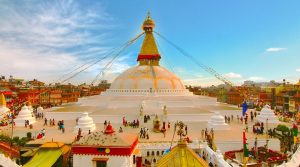
After returning to Kathmandu, you can enjoy guided visits to famous UNESCO World Heritage Sites such as ancient temples, historic palaces, and vibrant local markets. Popular attractions include heritage squares, monasteries, and cultural landmarks that showcase Nepal’s rich history and traditions. A post trek sightseeing tour is a great way to unwind after the challenging mountain journey while experiencing the cultural beauty of Nepal’s capital city before heading home.
Can I Rent My Equipment for the Everest Three Pass Trek
Yes, you can easily rent trekking equipment for the Everest Three High Passes Trek, especially in Kathmandu. Many shops offer rental gear such as down jackets, sleeping bags, trekking poles, and backpacks at affordable daily rates. Renting equipment is a popular option for trekkers who want to reduce baggage weight or avoid purchasing expensive gear for a single trip. However, it is important to check the quality and condition of the items before starting your trek, especially for high-altitude essentials like sleeping bags and jackets.
Overall, renting is a convenient and budget friendly choice, allowing you to access proper gear while focusing on enjoying your adventure.
What is the Weather Forecast in Everest High Pass Trek
The weather in the Everest Three High Passes Trek is highly variable and depends greatly on altitude and season. In general, trekkers can expect rapidly changing mountain conditions, from clear sunny mornings to cold winds or sudden snowfall at higher elevations above 5,000 meters.
The best forecast conditions occur during spring (March–May) and autumn (September–November), when the skies are mostly clear, visibility is excellent, and temperatures are more stable for crossing high passes like Kongma La, Cho La, and Renjo La. During these periods, daytime temperatures at lower elevations are mild, while nights and high passes remain cold but manageable.
In contrast, winter brings extreme cold and heavy snow, often dropping below freezing even in lower villages, while monsoon season brings rain, clouds, and poor visibility, making trekking difficult and less predictable.
Overall, the Everest Three Passes weather forecast is best described as stable but unpredictable, meaning trekkers must always be prepared for sudden changes, especially at high altitude.
Booking Open for Join Group of Everest High Pass Trek 2027 & 2028
Bookings are now open for join-in group departures for the Everest Three High Passes Trek in 2027 and 2028. This is a great opportunity for solo travelers and small groups to join like-minded adventurers and experience one of the most challenging and scenic trekking routes in the Himalayas.
Group departures offer a well-organized itinerary, experienced guides, shared logistics, and a more budget friendly option compared to private treks. The journey includes iconic highlights such as Everest Base Camp, Gokyo Lakes, and the three high mountain passes.
Early booking is highly recommended, as group sizes are limited and flight availability to the Everest region fills up quickly during peak trekking seasons. Secure your spot in advance and prepare for an unforgettable Himalayan adventure.
Everest Three High Pass short Trek Itinerary: 19 Days
Day 1: Arrival at Kathmandu airport 1310 m welcome program by Himalayan Magic Treks then drop to Hotel with Breakfast
Day 2: Domestic flight to Lukla 2840 m then 3 hours Trek to Phakding 2610 m overnight at Tribeni Lodge
Day 3: Trek to Namche Bazaar 3440 m, It takes 5 hours overnight at Lodge
Day 4: Acclimatization Day in Namche Bazaar overnight at Lodge
Day 5: Trek to Tengbuche 3870 m overnight at Lodge
Day 6: Trek to Dingbuche 4410 m overnight at Lodge
Day 7: Trek to Chhukung 4730 m overnight at Lodge
Day 8: Rest Day Chhukung overnight at Lodge
Day 9: Lobuche 4940 m, via Khongma-la pass 5535 m overnight at Lodge
Day 10: Trek to Goraksep 5380 m afternoon hike to Everest Base Camp then back Goraksep overnight at Lodge
Day 11: Early morning for the Sunrise view of Mount Everest and many others from Kalapathar 5545 m then back to Goraksep for Breakfast then trek continue to Dzong-la 4830 m overnight at Lodge
Day 12: We cross the pass cho-la to Gokyo Lake 4750 m overnight at Lodge
Day 13: Gokyo visit to Gokyo-Ri 5330 m overnight at Lodge
Day 14: Lungden via Renjo-la Pass 5340 m overnight at Lodge
Day 15: Trek to Thame 3800 m overnight at Lodge
Day 16: Trek back to Phakding 2610 m overnight at Tribeni Lodge
Day 17: Trek to Lukla 2840 m 4 hours overnight at Lodge
Day 18: Fly back via Ramechhap to Kathmandu Airport than transfer to Hotel with Bed & Breakfast
Day 19: Departure to airport for your onward destination
What are included in my Package?
The Trip cost will be very depending on the group size, duration of days and services required so if our program and cost is not match on your Budget according to the services required please contact us via our Email:nabinkarki04@gmail.com with your details to obtain a quote reasonable as per your wish.
⇒ 2 times International Airport picks up & drops by Private Transport as per Group size
⇒ Kathmandu Hotel: 2 Night’s Standard Hotel Yatri Suite or Same Category with Breakfast
⇒ Domestic Flight: Flight from Ramechhap to Lukla and return from Lukla to Ramechhap Both ways
⇒ Land Transport: Drive from Kathmandu – Ramechhap to Kathmandu by Sharing Mini Micro Bus as per group size
⇒ Food: 3 meals per day during the trek (Breakfast Lunch & Dinner) including Tea or Coffee each meals time
⇒ Fresh Fruits, Choco Bars, Cheese as extra services in a packages
⇒ Accommodation: All the Night’s Guest Houses ( Mountain Lodges )
⇒ Himalayan Magic Treks professional an experienced, government licensed, English speaking trekking guide to lead the group during the trek professionally
⇒ 1 porter to carry your Luggage for 2 peoples during the trek
⇒ Free of Cost Himalayan Magic Treks Duffle Bags to protect your Luggage
⇒ All Government local Taxes, Extra 13 % VAT
⇒ Sagarmatha National park Fees (Permit)
⇒ Khumbu Pasang Lhamu Rural municipality Fees
⇒ First Aid kit, with necessary medicines
⇒ General equipment for Porter during the adventure trip
⇒ Guide and porter salary including Food and accommodation
⇒ Guide & porter insurance during the trekking and extra services according to the guest per Demand
⇒ Himalayan Magic Trek’s Appreciation Certificate after the successful trek
⇒ Himalayan Magic Treks T-shirt or Cap as a Souvenir
⇒ Farewell Dinner with typical Nepali Restaurant
What are excluded from my Package?
⇒ Lunch and Dinner in Kathmandu
⇒ Any types of Hot and Cold Drinks Tea or coffee, Coke, Fanta , Juice, Mineral water , Hard Drinks etc
⇒ Nepal entry visa fees on arrival
⇒ Travel and Medical insurance
⇒ International Airfare
⇒ Trekking equipment any type of personal expenses such as alcohol, beverage drinks, WiFi, phone and laundry, ⇒Emergency rescue and ,Trip cancellation cost, accident or health, loss theft or damage and personal effects, hot shower
⇒ Tips for Guide and porters
Everest Three High Pass Detail Trek Itinerary:
Day 1: Arrival in Kathmandu (1,310m)
Upon your arrival at Tribhuvan International Airport, you will be warmly welcomed by a representative from Himalayan Magic Treks. After a brief introduction and welcome program, you will be transferred to your hotel. The rest of the day is free to relax and recover from your journey. Overnight stay at the hotel in Kathmandu
Day 2: Flight to Lukla (2,840m) – Trek to Phakding (2,610m)
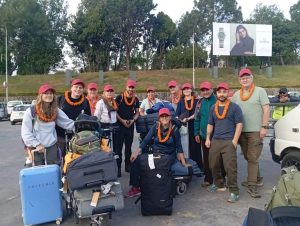
Early in the morning, take a scenic domestic flight from Kathmandu to Lukla, enjoying breathtaking views of the Himalayas. Upon arrival, begin your trek through beautiful mountain trails, passing small Sherpa villages and suspension bridges over the Dudh Koshi River. After approximately 3 hours of walking, reach Phakding and check in at Tribeni Lodge.
Day 3: Trek to Namche Bazaar (3,440m) – 5 Hours
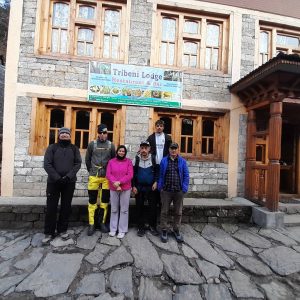
After breakfast, begin your trek from Phakding towards Namche Bazaar, the gateway to the Everest region. The trail follows the Dudh Koshi River, crossing several suspension bridges and passing through pine forests and traditional Sherpa villages. After a steady uphill climb, reach the vibrant mountain town of Namche Bazaar, where you will check in at your lodge. Overnight stay at a lodge
Day 4: Acclimatization Day in Namche Bazaar (3,440m)
Today is an important rest and acclimatization day in Namche Bazaar to help your body adjust to the higher altitude. After breakfast, you may take a short hike to nearby viewpoints such as the Everest View Hotel or explore the Sherpa Museum to learn about local culture and mountaineering history. The rest of the day is free to relax, explore the bustling town, or enjoy the mountain scenery. Overnight stay at a Lodge
Day 5: Trek to Tengboche (3,870m)
After breakfast, continue your journey from Namche Bazaar towards Tengboche, one of the most scenic and spiritual destinations in the Everest region. The trail offers stunning views of Everest, Lhotse, Ama Dablam, and surrounding peaks as you pass through rhododendron forests and traditional Sherpa villages. Upon arrival, visit the famous Tengboche Monastery and enjoy the peaceful Himalayan atmosphere. Overnight stay at a Lodge
Day 6: Trek to Dingboche (4,410m)
After breakfast, continue your trek towards Dingboche, gradually ascending through alpine landscapes and scenic valleys. The trail offers magnificent views of Ama Dablam, Lhotse, and other surrounding peaks, with open terrain replacing the forested paths. Upon arrival in Dingboche, check in at your lodge and enjoy the peaceful high-altitude village atmosphere. Overnight stay at a Lodge
Day 7: Trek to Chhukung (4,730m)
After breakfast, continue your gradual ascent from Dingboche towards Chhukung, a small settlement located in the heart of the Imja Valley. The trail offers stunning views of Island Peak, Ama Dablam, and surrounding glaciers as the landscape becomes more rugged and alpine. Upon arrival, check in at your lodge and rest, preparing for higher altitude exploration. Overnight stay at a Lodge
Day 8: Rest Day in Chhukung (4,730m)
Today is a rest and acclimatization day in Chhukung to help your body adjust to the high altitude. After breakfast, you may take a short hike to nearby viewpoints such as Chhukung Ri for panoramic views of Ama Dablam, Island Peak, and the surrounding glaciers. The rest of the day is free to relax at the lodge and prepare for the upcoming trek. Overnight stay at a lodge in Chhukung.
Day 9: Chhukung to Lobuche (4,940m) via Kongma La Pass (5,535m)
After an early breakfast, begin a challenging and scenic ascent towards Kongma La Pass, the highest point of the day at 5,535 meters. The trail is steep and demanding, but rewards you with breathtaking views of glaciers, peaks, and the vast Himalayan landscape. After crossing the pass, descend carefully towards Lobuche, a small settlement near the Khumbu Glacier. Upon arrival, check in at your lodge and rest. Overnight stay at a lodge in Lobuche.
Day 10: Trek to Gorak Shep (5,380m) – Hike to Everest Base Camp
After breakfast, trek from Lobuche to Gorak Shep, the last settlement before Everest Base Camp. After a short rest and lunch, continue your hike to the iconic Everest Base Camp, walking alongside the Khumbu Glacier and surrounded by towering Himalayan peaks. After reaching Base Camp and spending time there, retrace your steps back to Gorak Shep. Overnight stay at a Lodge
Day 11: Kala Patthar (5,545m) Sunrise – Trek to Dzongla (4,830m)
Early in the morning, hike to Kala Patthar for a breathtaking sunrise view of Mount Everest and surrounding Himalayan peaks. After enjoying the panoramic scenery, descend back to Gorak Shep for breakfast. Later, continue your trek towards Dzongla, passing through rugged alpine landscapes and glacial terrain. Upon arrival, check in at your lodge and rest Overnight stay at a Lodge
Day 12: Cross Cho La Pass (5,420m) to Gokyo Lake (4,750m)
After an early breakfast, begin a challenging but rewarding trek crossing the Cho La Pass. The trail involves steep ascents, rocky terrain, and glacier sections, offering stunning views of the surrounding Himalayan peaks and ice formations. After crossing the pass, descend carefully towards the beautiful Gokyo Valley. Upon arrival at Gokyo Lake, check in at your lodge and enjoy the serene alpine surroundings. Overnight stay at a Lodge
Day 13: Hike to Gokyo Ri (5,330m)
After an early breakfast, hike up to Gokyo Ri for one of the most spectacular panoramic views in the Everest region. From the summit, enjoy breathtaking sights of Mount Everest, Cho Oyu, Lhotse, Makalu, and the stunning Gokyo Lakes below. After spending time at the viewpoint, descend back to Gokyo village. The rest of the day is free to relax and explore the beautiful surroundings. Overnight stay at a Lodge
Day 14: Gokyo to Lungden via Renjo La Pass (5,340m)
After an early start, begin a challenging ascent to Renjo La Pass, enjoying breathtaking views of Everest, Cho Oyu, and the surrounding Himalayan peaks along the way. After crossing the pass, descend gradually into the tranquil Bhote Koshi Valley. Continue trekking until you reach the traditional village of Lungden. Upon arrival, check in at your lodge and rest after a long and rewarding day. Overnight stay at a Lodge
Day 15: Trek to Thame (3,800m)
After breakfast, continue your descent from Lungden towards Thame, a peaceful Sherpa village rich in culture and tradition. The trail follows the Bhote Koshi River, passing through beautiful valleys, stone-built settlements, and ancient monasteries. Upon arrival in Thame, check in at your lodge and explore the village, known for its spiritual atmosphere and connection to Himalayan mountaineering history. Overnight stay at a Lodge
Day 16: Trek back to Phakding (2,610m)
After breakfast, begin your long but scenic descent back towards Phakding. The trail retraces familiar routes through beautiful Sherpa villages, pine forests, and suspension bridges over the Dudh Koshi River. Enjoy the changing landscape as you lose altitude and return to warmer surroundings. Upon arrival in Phakding, check in at Tribeni Lodge and relax after the day’s trek. Overnight stay at a Lodge
Day 17: Trek to Lukla (2,840m) – 4 Hours
After breakfast, begin your final trekking day with a pleasant walk from Phakding to Lukla. The trail follows the Dudh Koshi River, passing through small villages, suspension bridges, and beautiful forested sections. Enjoy the last views of the Himalayan landscapes as you gradually ascend back to Lukla. Upon arrival, check in at your lodge and celebrate the completion of your trekking journey. Overnight stay at a Lodge
Day 18: Fly from Lukla via Ramechhap to Kathmandu
After breakfast, take an early morning flight from Lukla to Ramechhap, followed by a scenic drive back to Kathmandu. Upon arrival in the capital, you will be transferred to your hotel. The rest of the day is free for rest or personal activities after completing your trekking adventure. Overnight stay at the hotel in Kathmandu
Day 19: Departure from Kathmandu
After breakfast, you will be transferred to Tribhuvan International Airport for your onward journey. Our team will assist you with your departure arrangements, ensuring a smooth and comfortable transfer. We hope you leave Nepal with unforgettable memories of your Himalayan adventure and look forward to welcoming you again in the future.

Himalayan Magic Treks
A Himalayan travel contributor sharing destination guidance, local insight and practical planning advice.
Traveler Comments