
 French
Table of Contents
8th Oct, 2023 by: Himalayan Magic Treks
Trekking Season In Nepal
Nepal, nestled amidst the towering peaks of the Himalayas, is a trekker's paradise. Its breathtaking landscapes, diverse cultures, and warm hospitality make it a must-visit destination for traveller worldwide. However, choosing the right season to embark on your trekking adventure in Nepal is crucial to ensure you have a memorable and safe experience. In this guide, we'll delve deeper into the various trekking seasons, highlighting the best times to trek, the benefits of each season, and the challenges you might encounter.
Best Time to Trek in Nepal
The Himalayan nation offers a captivating blend of nature, culture, and challenging terrain, making it essential to choose the right season for your trek. Among the various options, two standout seasons consistently win the hearts of mountaineer: Spring (March to May) and Autumn (September to November).

Spring (March to May)
Spring is arguably the most popular season for trekking in Nepal. The weather is mild, and the rhododendron forests burst into vibrant blooms, creating a picturesque backdrop for your trek. The skies are generally clear, offering spectacular views of the mountains.
Why Spring?
Ideal Weather: Spring in Nepal offers trek-friendly weather characterized by moderate temperatures. During the day, temperatures range from approximately 15°C to 25°C in lower altitudes, providing comfortable conditions for hiking. Evenings are pleasantly cool, allowing you to relax and rejuvenate for the next day's journey.
Floral Extravaganza: Spring is a season of vibrant colors in Nepal. The lush landscapes burst into life with blooming rhododendrons, magnolias, and orchids. Trekking trails are transformed into a breathtaking floral wonderland, creating a picturesque backdrop for your adventure.
Stunning Mountain Views: Clear skies are a hallmark of spring in Nepal, offering unobstructed views of the world's highest peaks, including Everest, Annapurna, and Makalu. The breathtaking vistas of these towering giants are a sight to behold and a photographer's dream come true.
Comfortable Trekking Conditions: With stable weather and pleasant temperatures, spring allows for comfortable trekking throughout Nepal's diverse regions. Whether you're exploring the Everest Base Camp, ABC Annapurna Circuit, or Langtang Valley, spring provides an ideal environment to enjoy the journey.
Autumn (September to November)
Autumn is another excellent time to trek in Nepal. The weather remains stable, and the skies are typically clear. The lush greenery from the monsoon season adds to the scenic beauty.
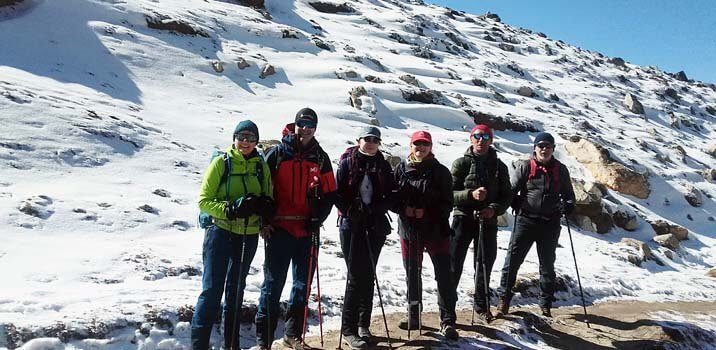
Why Choose Autumn for Your Nepal Mountaineer?
Perfect Weather: Autumn in Nepal boasts a harmonious blend of mild daytime temperatures (around 15°C to 24°C in lower altitudes) and crisp, cool evenings. This pleasant weather ensures a comfortable and enjoyable trekking experience.
Crystal Clear Skies: The skies during autumn are typically clear, offering unobstructed panoramic views of Nepal's iconic peaks. Imagine gazing upon the towering giants like Everest, Annapurna, and Lhotse in all their glory.
Vibrant Landscapes: After the monsoon rains, the landscapes burst into vibrant hues of green. The lush forests, terraced fields, and pristine rivers create a picturesque backdrop for your trek.
Festive Culture: Trekking during autumn allows you to immerse yourself in Nepali culture. The country celebrates major festivals like Dashain and Tihar during this season, offering a chance to witness traditional rituals and interact with friendly locals.
Ideal for All Trekkers: Whether you're a novice or a seasoned trekker, autumn caters to all skill levels. Trails are well-marked, and teahouses are open and welcoming.
Wildlife Encounters: Autumn is an excellent time for wildlife enthusiasts. Spotting rare Himalayan species like the red panda and various bird species is more likely during this season.
Challenging Season for trekking in Nepal
When it comes to trekking in Nepal, not all seasons are created equal. While the spring and autumn months offer ideal weather and breathtaking vistas, the monsoon and winter seasons present their own set of challenges and rewards.

Monsoon (June to August)
Monsoon season in Nepal, spanning from June to August, is undoubtedly the most challenging time for wanderer. During these months, the Himalayan region experiences heavy rainfall, transforming the serene trails into muddy, slippery paths.
- Frequent Rainfall: Monsoon in Nepal brings heavy and consistent rainfall. Expect wet and slippery trails, making your trek more challenging and potentially hazardous.
- Poor Visibility: Rain and cloud cover can significantly reduce visibility. This means that the awe-inspiring mountain views Nepal is known for might be shrouded in mist and rain, diminishing the overall trekking experience.
- Landslides and Flooding: Monsoon rains increase the risk of landslides and flooding along trekking routes. This adds an element of danger and uncertainty to your journey.
- Leeches: In some regions of Nepal during the monsoon season, leeches can be a common nuisance. Trekkers may have to deal with leeches attaching themselves to clothing and skin.
- Trail Accessibility: Due to the heavy rains, some trekking trails may become inaccessible, leading to route changes and potential disruptions to your itinerary.
Despite these challenges, some climber are drawn to the lush, green landscapes and the opportunity to experience Nepal in a less crowded setting. If you decide to trek during the monsoon, it's crucial to plan meticulously, prioritize safety, and be prepared for ever-changing weather conditions.
Tips for Trekking in Nepal during Monsoon
- Choose Your Region Wisely: Some regions in Nepal, such as the Upper Mustang and Dolpo, are in rain shadow areas and are more suitable for monsoon trekking. Research and select trekking routes that are less affected by the rains.
- Rain Gear: Equip yourself with high-quality rain gear, including waterproof clothing, boots, and a rain cover for your backpack.
- Plan Flexibly: Be prepared for itinerary changes due to weather-related disruptions. Allow extra time in your schedule for delays caused by landslides or heavy rainfall.
- Local Knowledge: Rely on the expertise of local guides who are familiar with the terrain and weather patterns. They can offer valuable insights and ensure your safety.
Winter (December to February)
Winter, spanning from December to February, offers a unique and challenging adventure for those seeking solitude and willing to embrace the cold.
The Challenging Side
- Extreme Cold: Winter in Nepal's high-altitude regions brings biting cold. Daytime temperatures hover around freezing, while nights can plummet below zero. Be prepared with proper cold-weather gear to combat the chill.
- Snowfall: The Mountains, especially at higher elevations, are cloaked in a pristine white blanket of snow. While this adds to the picturesque beauty, it also means slippery trails and the possibility of route closures.
The Rewards
- Serenity: Winter is the quietest time to trek in Nepal. With fewer tourists on the trails, you can immerse yourself in the tranquility of the Himalayan landscapes, enjoying moments of solitude.
- Lower Costs: Accommodations and permits are more budget-friendly during the winter months, making it an attractive option for those on a tight budget.
Tips for Trekking in Nepal during winter
- Choose Lower Altitude Treks: During the winter season, higher altitudes in Nepal can experience extreme cold and heavy snowfall, making trekking challenging and potentially dangerous. Opt for lower altitude treks, which are more accessible and have milder weather conditions.
- Pack Warm Clothing: Winter in Nepal can be frigid, especially at higher elevations. Pack layers of warm clothing, including thermal wear, insulated jackets, gloves, and a good quality sleeping bag rated for cold temperatures.
- Check Trail Conditions: Before embarking on your trek, check the trail conditions and weather forecasts for the specific region you plan to visit. Some trails may be closed or difficult to navigate due to snow or icy conditions.
- Acclimatize Carefully: Even at lower altitudes, it's essential to acclimatize properly to avoid altitude-related issues. Take your time to adjust to the elevation and stay hydrated.
- Stay in Teahouses: Most teahouses in popular trekking regions remain open during the winter season. These offer shelter, meals, and warmth, making them essential for winter climber.
- Carry Essential Gear: Ensure you have essential winter trekking gear, such as trekking poles, ice cleats or crampons, and a headlamp. These items can greatly enhance your safety and comfort on the trail.
- Travel with a Guide: Consider hiring an experienced local guide who knows the terrain and weather conditions. They can provide valuable insights and help ensure your safety.
- Stay hydrated and Well-Fed: The cold weather can lead to dehydration, so drink plenty of fluids and eat calorie-rich, warm meals to maintain your energy levels.
Recommendation
As a responsible and experienced travel agency, we strongly advise climber to choose the spring and autumn seasons for their Nepal trekking adventure. These periods offer the best weather conditions, allowing you to enjoy the stunning landscapes and clear mountain views without the challenges of monsoon rains or winter cold. While trekking in the peak seasons may mean more fellow travelers, the benefits far outweigh the crowds.
Remember: To plan and book your trek well in advance to secure permits and accommodations, as the most popular trails can get quite busy. Regardless of the season you choose, always prioritize safety, be prepared for changing weather conditions, and respect the local culture and environment. Nepal's trekking experiences are truly unmatched, and the right season can make all the difference in creating cherished memories of your journey through the Himalayas.
Article By: Suman Thapa
Suman Thapa is a seasoned IT Officer of Himalayan Magic Treks with a rich and diverse background in the Travel and Tour industry.