
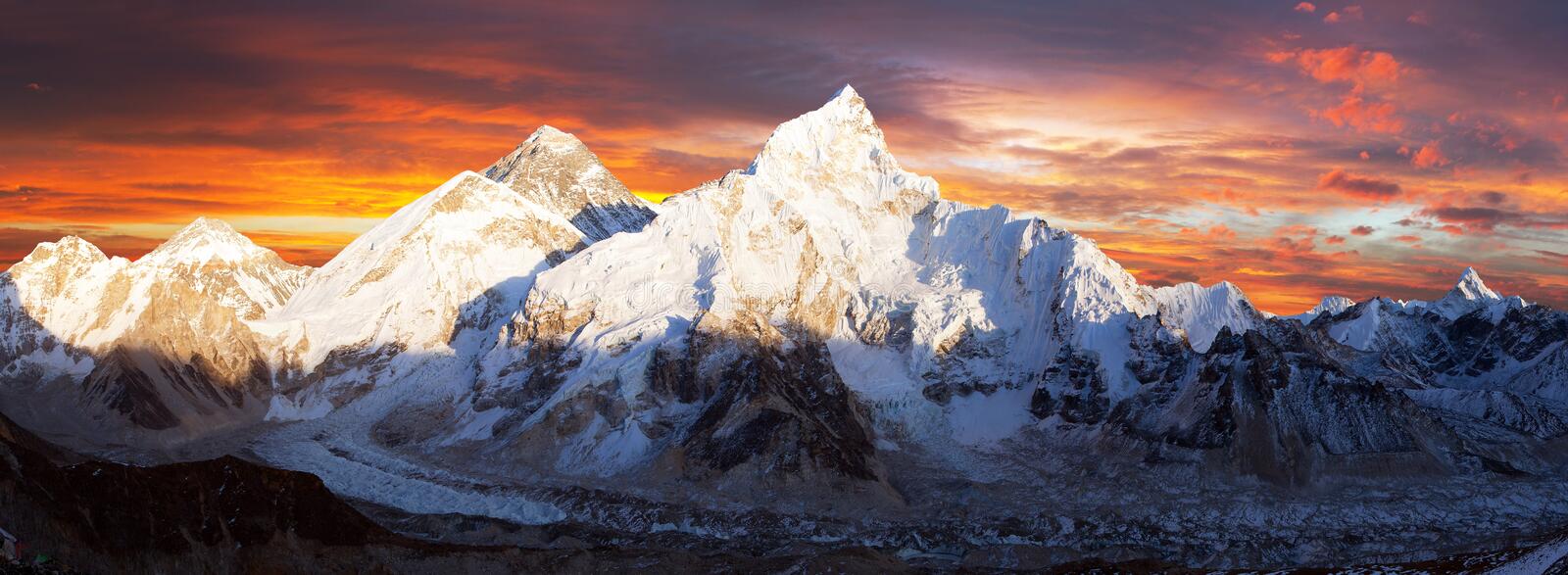
A Journey Beyond Borders
Imagine standing on the windswept plains of Tibet, gazing at the perfectly symmetrical peak of Mount Kailash, the “Center of the Universe” for Hindus, Buddhists, Jains, and Bon followers. Beside it lies the pristine Lake Mansarovar, shimmering like a jewel under the endless Himalayan sky. This is not just a trip; it’s a spiritual odyssey, an overland journey through remote landscapes, ancient cultures, and breathtaking scenery.
If you’ve been dreaming of this once-in-a-lifetime pilgrimage, one question matters more than most: When is the best time to visit Mt Kailash and Lake Mansarovar Overland Tour?
The right season can make your experience smoother, safer, and far more rewarding. As a Nepal-based trekking and travel company with over 15 years of experience, Himalayan Magic Treks has guided countless travelers through this sacred route. In this guide, we’ll share insider tips, seasonal breakdowns, and local wisdom so you can plan your journey at the perfect time.
Why Timing Matters for Your Kailash Mansarovar Journey
The Kailash Tour is no ordinary trip. Located in the remote western region of Tibet at an altitude of over 4,500 meters, both Mt Kailash and Lake Mansarovar experience extreme weather conditions. Accessibility is highly dependent on the season, and the differences between visiting in May versus October can be dramatic.
- Weather and road conditions affect safety and comfort.
- Festivals and cultural events can enrich your experience.
- Seasonal tourism patterns impact permits, availability, and costs.
Planning at the right time ensures not only pleasant weather but also a deeper cultural and spiritual connection to the journey.
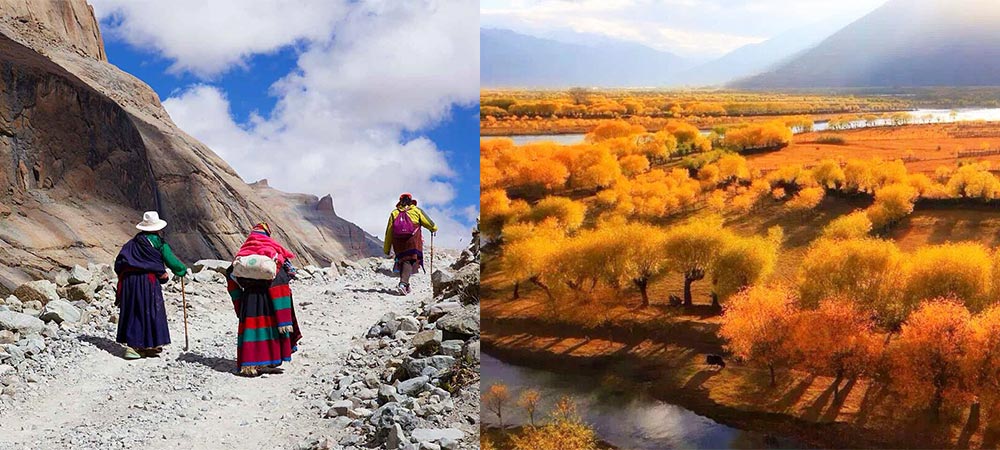
The Best Time to Visit Mt Kailash & Lake Mansarovar
1. Late Spring (May – June)
Why go:
Late spring marks the start of the official Kailash Mansarovar season. By May, most snow on the roads has melted, making the overland journey from Nepal to Tibet accessible. The weather is relatively mild, with daytime temperatures around 8–15°C and clear skies that reveal Mt Kailash in all its glory.
- Advantages:
- Stable weather and excellent visibility.
- Ideal for photography and sightseeing.
- Lake Mansarovar begins to thaw, revealing crystal-clear waters.
- Things to note:
- Nights can still be freezing.
- Fewer crowds compared to peak summer months.
2. Summer Peak (July – August)
Why go:
This is the warmest time of year, and high-altitude meadows burst into life with wildflowers. Pilgrims from all over Tibet and India flock here, adding a vibrant cultural energy to the journey.
- Advantages:
- Warmest temperatures of the year (10–18°C during the day).
- Rich cultural immersion with local festivals.
- Good for those who feel the cold intensely.
- Things to note:
- This is monsoon season in Nepal, so the drive from Kathmandu to the border can face occasional delays due to landslides.
- The Tibetan plateau receives minimal rain, but clouds can occasionally obscure views of the mountain.
3. Early Autumn (September – Mid-October)
Why go:
If you want the clearest skies and minimal tourist crowds, this is arguably the best time for the Kailash Tour. The weather is crisp but stable, and visibility is unmatched.
- Advantages:
- Spectacular photography conditions.
- Less crowded than peak summer.
- Pleasant trekking weather for the Kailash Kora (parikrama).
- Things to note:
- Temperatures begin to drop quickly in October.
- Nights can be very cold (below freezing).
Seasons to Avoid
While Mt Kailash is technically accessible year-round, November to April brings severe winter conditions with heavy snow, sub-zero temperatures, and road closures. Even if roads are open, the risk of altitude-related illness increases in extreme cold, and services in remote areas are minimal.
Festival Highlights for Pilgrims
Timing your journey with certain festivals can add immense spiritual and cultural value.
Saga Dawa Festival (May – June)
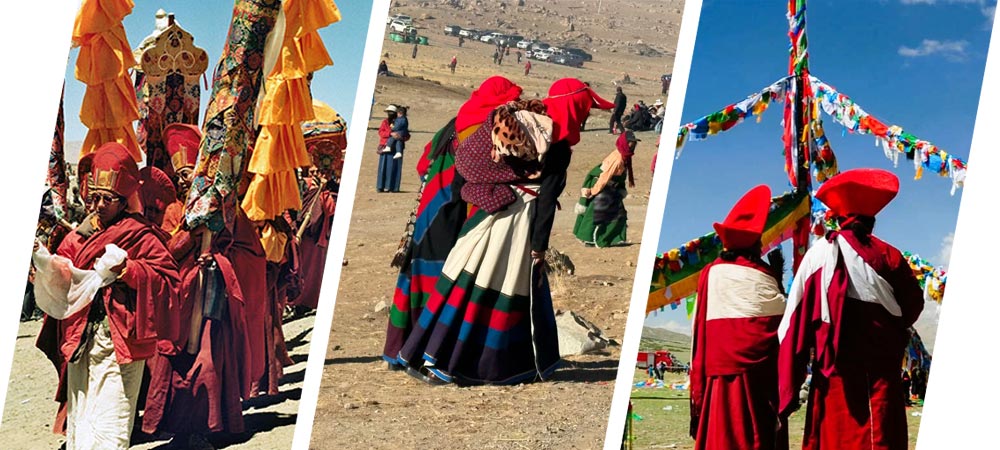
One of the most important Tibetan Buddhist festivals, Saga Dawa marks the birth, enlightenment, and passing of Lord Buddha. Thousands of pilgrims gather at Mt Kailash to perform the Kailash Kora, creating an unforgettable atmosphere of devotion.
Insider Tip: If your goal is spiritual immersion, plan your trip around Saga Dawa — but book early, as permits and accommodations fill up fast.
Practical Tips for Planning Your Kailash Mansarovar Tour
1. Prepare for High Altitude
The Kailash region is above 4,500 meters, so altitude acclimatization is essential. Our Kailash Tour itineraries include gradual ascents to minimize risks.
2. Get Your Permits Early
Travel to Tibet requires special permits in addition to a Chinese visa. These take time to arrange, so plan at least two months ahead.
3. Pack for Changing Conditions
Even in the best season, weather can shift rapidly. Bring:
- Warm layers (thermal base layers, fleece, down jacket)
- Waterproof gear
- Sunglasses and high SPF sunscreen
4. Choose the Right Tour Duration
Most overland tours from Kathmandu take 13–15 days, including acclimatization and the Kailash Kora.
5. Respect Local Customs
Mt Kailash is sacred; climbing the peak is strictly prohibited. Always walk clockwise around the mountain unless following Bon tradition, which moves counterclockwise.
Why Travel with Himalayan Magic Treks
With over 15 years of experience leading expeditions in Nepal, Tibet, and beyond, Himalayan Magic Treks is more than just a tour operator — we’re your trusted local partner. Our Kailash Tour packages are designed for safety, comfort, and deep cultural immersion. We handle permits, logistics, and accommodations so you can focus on the experience.
Our guides are seasoned experts who understand the challenges of high-altitude travel and are committed to making your journey unforgettable.
Frequently Asked Questions (FAQs)
1. What is the best month to visit Mt Kailash and Lake Mansarovar?
The best months are May–June and September–mid-October. These periods offer clear skies, stable weather, and comfortable temperatures for both the overland journey and the Kailash Kora.
2. Is July a good time for the Kailash Mansarovar Tour?
July is the warmest month in the region and offers vibrant cultural experiences, but it coincides with the monsoon season in Nepal. While the Tibetan side remains mostly dry, the drive from Kathmandu may face occasional weather-related delays.
3. What is the weather like at Mt Kailash?
At over 4,500 meters, Mt Kailash experiences cold temperatures year-round. Daytime temperatures in the best seasons range from 8°C to 18°C, while nights can drop below freezing.
4. Can I visit Mt Kailash in winter?
Winter (November–April) is not recommended due to extreme cold, heavy snow, and road closures. Many facilities in the region also shut down during this period.
5. What is the Saga Dawa Festival and when does it happen?
The Saga Dawa Festival, celebrated in May or June, honors Lord Buddha’s birth, enlightenment, and passing. Thousands of pilgrims gather at Mt Kailash to perform the Kora, creating a spiritually charged atmosphere.
6. How long does the Kailash Mansarovar Overland Tour take from Nepal?
Most itineraries take 13–15 days, including acclimatization, travel days, and the three-day Kailash Kora trek.
7. Do I need special permits for Mt Kailash?
Yes. You’ll need a Chinese visa and a special Tibet Travel Permit. If you travel with Himalayan Magic Treks, we’ll arrange all necessary permits on your behalf.
8. What should I pack for the Kailash Tour?
Essential items include warm layered clothing, waterproof gear, sturdy trekking shoes, sunglasses, high SPF sunscreen, and personal medications for high altitude.
Conclusion
The best time to visit Mt Kailash and Lake Mansarovar Overland Tour depends on your priorities — whether it’s warmer weather, fewer crowds, or the chance to witness a grand Tibetan festival. For most travelers, May–June and September–mid-October offer the perfect blend of accessibility, clear skies, and comfort.
This journey is more than a trip; it’s a rare opportunity to connect with landscapes and cultures that have inspired spiritual seekers for centuries.
If the call of Kailash is in your heart, let us help you make it a reality.
Explore our Kailash Tour itineraries or contact us today to start planning your sacred adventure.

Himalayan Magic Treks
A Himalayan travel contributor sharing destination guidance, local insight and practical planning advice.
Traveler Comments