
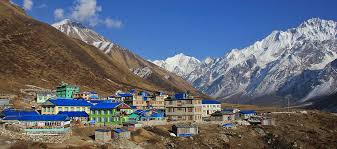
Discover the Joy of the Himalayas!! The Nepal’s former Langtang Valley Trek is a wonderful journey into the heart of the Himalayas, offering a perfect blend of breathtaking mountain scenery, beautiful landscapes, rich Tamang culture, and warm Himalayan hospitality. Located north of Kathmandu near the Tibetan border, Langtang is one of Nepal’s most rewarding trekking destinations for travelers seeking an authentic mountain experience without the crowds of some of Nepal’s more famous Route known for its dramatic valleys, lush forests, traditional villages, glaciers, and spectacular Himalayan peaks, the Langtang region provides countless moments of joy and discovery along the trail.
A Journey Through Nature and Culture
The adventure begins with a scenic drive from Kathmandu toward Syabrubesi, the gateway to the Langtang Valley. From here, the trail follows the Langtang Khola through dense forests of rhododendron, oak, pine, and bamboo. As you gradually gain altitude, the landscape transforms from green forests to alpine meadows and rugged mountain terrain.
Along the way, you pass through charming villages where traditional houses, prayer flags, mani walls, monasteries, and welcoming local people reflect the unique culture of the Himalayan communities. Magnificent Himalayan Views. One of the greatest pleasures of the Langtang Valley Trek is the spectacular mountain scenery. As the trail progresses deeper into the valley, magnificent peaks rise around you, including Langtang Lirung, Langtang Ri, Dorje Lakpa, Yala Peak, and other impressive Himalayan summits.
The journey becomes even more rewarding as you reach Kyanjin Gompa, a beautiful high-altitude settlement surrounded by towering peaks and glaciers. From here, optional hikes to viewpoints such as Kyanjin Ri or Tserko Ri provide unforgettable panoramic views of the Langtang Himalayas.
Experience Authentic Himalayan Hospitality
The Langtang Valley is home to communities with strong Tibetan and Tamang cultural traditions. Staying in local teahouses gives trekkers an opportunity to experience genuine Himalayan hospitality and learn about the lifestyle, traditions, food, and customs of mountain communities. Sharing stories with local people beside a warm stove after a day of walking can become one of the most memorable parts of the journey.
A Trek Full of Joy and Adventure
The Langtang Valley Trek is suitable for adventure seekers who want an exciting Himalayan experience while enjoying a relatively manageable trekking route. The trail offers a rewarding combination of moderate walking, cultural exploration, peaceful forests, dramatic landscapes, and high-altitude adventure.
Every day brings something new from crossing suspension bridges and walking through rhododendron forests to exploring mountain villages and standing beneath enormous Himalayan peaks. Why Choose the Langtang Valley Trek fellow the truth of Trail Leading
→ Spectacular views of the Langtang Himalayan range
→ Beautiful forests, valleys, rivers, and alpine landscapes
→ Authentic Tamang and Tibetan-influenced culture
→ Charming mountain villages and teahouse experiences
→ Visit to the historic Kyanjin Gompa
→ Optional hikes to Kyanjin Ri and Tserko Ri
→ Less crowded atmosphere compared with some major Himalayan routes
→ A rewarding adventure close to Kathmandu
→ Opportunities to experience local traditions and Himalayan hospitality
→ Create Your Own Himalayan Memories
The Langtang Valley Trek is more than a walk through the mountains it is a journey filled with natural beauty, cultural discovery, friendship, and unforgettable moments. From the first steps into the forest to the spectacular views from the high Himalayan viewpoints, every part of the trail offers something special.
If you are looking for a joyful, scenic, culturally rich, and authentic Himalayan adventure, the Langtang Valley Trek is an excellent choice. Walk through beautiful valleys. Meet warm-hearted mountain communities. Stand beneath magnificent Himalayan peaks. Discover the joy of Langtang.
The Langtang Valley Trek is one of the most popular and rewarding treks in Nepal. It offers stunning views of the Langtang range, high-altitude landscapes, and an immersive experience in the culture and lifestyle of the Tamang and Sherpa communities. Here’s a detailed overview of the trek:
The Langtang Trek is often described as one of Nepal’s more accessible Himalayan adventures but that doesn’t mean it’s easy. Trekkers should be prepared for a range of physical, environmental, and logistical challenges along the way.
1. Altitude and Acclimatization
one of the biggest difficulties is to raise gain. The trek reaches elevations of around 3,800–5,000 meters, especially if you hike up to Kyanjin Ri or Tserko Ri. At these heights, altitude sickness (Acute Mountain Sickness) becomes a real risk. Symptoms like headaches, dizziness, and fatigue can affect even experienced trekkers, making proper acclimatization essential.
2. Physical Endurance Requirements
While not as demanding as the Everest Base Camp Trek, the Langtang route still requires solid physical fitness. Daily walks can last 5–7 hours, often on steep ascents and descents. Carrying a backpack, even a light one, adds to the strain.
3. Weather Variability
Weather in the Himalayas can change rapidly. Even during peak trekking seasons, mornings may be clear while afternoons bring clouds, rain, or snow. Cold temperatures, especially at night, can drop below freezing at higher altitudes.
4. Limited Facilities
Compared to more popular routes, Langtang has fewer teahouses and facilities. While basic accommodation and food are available, options are limited, and comfort levels may be lower than expected.
5. Remote Location and Accessibility
The trek starts with a long drive from Kathmandu to Syabrubesi. Road conditions can be rough, and delays are common. Once on the trail, access to medical help and emergency services is limited.
6. Mental Challenges
Long trekking days, physical fatigue, and basic living conditions can test mental resilience. Being prepared for simplicity and occasional discomfort is part of the experience. The Langtang Trek is considered a moderate trek, suitable for beginners with good preparation. With proper acclimatization, fitness, and planning, its difficulties are manageable and the reward is stunning Himalayan scenery without the heavy crowds found on more famous routes.
Packing for the Langtang Valley Trek is all about balancing essentials with weight. You’ll be trekking through changing elevations and weather conditions, so smart layering and practical gear are key.
🎒 Clothing (Layering is everything)
Temperatures vary widely, so bring layers you can add/remove easily.
• Moisture-wicking base layers (tops & bottoms)
• Insulating layer (fleece or down jacket)
• Waterproof/windproof jacket
• Trekking pants (2–3 pairs)
• Thermal innerwear (for higher altitudes like Kyanjin Gompa)
• T-shirts (quick-dry)
• Warm hat + sun hat
• Gloves (light + warm)
• Socks (wool/trekking, 4–5 pairs)
• Underwear
👟 Footwear
• Sturdy trekking boots (well broken-in)
• Lightweight shoes/sandals (for evenings)
• Gaiters (optional, useful in snow or dust)
🎒 Backpack & Storage
• Main backpack (40–60L)
• Daypack (for water, snacks, essentials)
• Dry bags / waterproof covers
🛏️ Sleeping Gear
• Sleeping bag (rated to -10°C or lower)
Teahouses provide blankets, but nights get very cold.
🧴 Toiletries & Personal Care
• Toothbrush, toothpaste
• Wet wipes / tissue paper
• Sunscreen (SPF 50+)
• Lip balm (with SPF)
• Quick-dry towel
• Hand sanitizer
💊 Health & Safety
• Personal medications
• Basic first aid kit
• Water purification tablets or filter
• Pain relief (for altitude headaches)
• Blister treatment
• Diamox (optional, for altitude sickness consult a doctor)
Altitude becomes a concern as you go higher toward viewpoints like Tserko Ri.
🔦 Gear & Essentials
• Trekking poles (very helpful on descents)
• Headlamp (with extra batteries)
• Reusable water bottles / hydration bladder
• Sunglasses (UV protection)
• Power bank (charging is limited)
• Camera / phone
🍫 Food & Extras
• Energy bars / snacks
• Electrolyte powder
• Lightweight book or cards (optional)
📄 Documents
• Passport copy
• Travel insurance
• Trekking permits (TIMS & Langtang National Park entry)
• Cash (no ATMs on the trail)
⚖️ Packing Tips
• Keep your bag under ~10–12 kg if possible
• Pack light but don’t skip essentials
• Wear heavier items (boots, jacket) instead of packing them
• You can rent gear in Kathmandu if needed
✅ Bottom Line
Packing for Langtang isn’t about bringing everything it’s about bringing the right things. Prepare for cold, basic conditions, and limited access to supplies and you’ll be set for a smooth and enjoyable trek. If you want, I can tailor this list based on your season (spring, autumn, winter) or whether you’re hiring a porter.
A Joyful Langtang Valley Trek Overview
• Location: Langtang National Park, Nepal
• Trek Duration: 7 to 12 days
• Best Season: March to May (spring), September to November (autumn)
• Trekking Grade: Moderate to Challenging
• Maximum Altitude: Kyanjin Ri (4,773 m) or Tserko Ri (5,000 m)
• Trekking Distance: Approx. 70-80 km
• Accommodation: Teahouses/lodges
• Starting Point: Syabrubesi
• Ending Point: Syabrubesi
Difficulty Level of Langtang Valley Trekking
• Moderate to Challenging: While the Langtang Valley Trek is considered moderate in terms of difficulty, it involves several days of steady ascent, with some stretches being quite steep. There is also the risk of altitude sickness due to the high altitude, particularly when reaching over 3,500 m.
• The trek requires a reasonable level of fitness, stamina, and preparation, as you will be trekking for several days at altitude.
Cost of Langtang Valley Trek
The cost varies depending on the trekking package, services chosen, and duration, but here’s a general breakdown:
1. Permit Fees:
o Langtang National Park Permit: USD 30
o TIMS (Trekkers Information Management System) Card: Around USD 20
2. Guide & Porter:
o Guide: USD 25-30 per day
o Porter: USD 18-20 per day
3. Accommodation & Meals:
o Teahouses: USD 5-10 per night
o Meals: USD 8-10 per meal, with breakfast, lunch, and dinner typically available in teahouses
4. Transportation:
o Kathmandu to Syabrubesi (by Bus USD 10-15 one way
5. Overall Estimated Trek Cost:
o Budget: USD 500-700
o Mid-range: USD 800-1,200
o Luxury: USD 1,500+
Experiences on Langtang Valley Trek
• Scenic Beauty: The trek takes you through lush forests, alpine meadows, and offers close views of the snow-capped peaks. The Langtang range is particularly mesmerizing.
• Cultural Insights: You’ll encounter Tamang and Sherpa communities, known for their hospitality. The local culture and Tibetan influence add a unique touch to your experience.
• Wildlife: You may spot red pandas, Himalayan tahr, langur monkeys, and a variety of bird species.
• Spiritual Sites: Visit Kyanjin Gompa, a Tibetan Buddhist monastery, and interact with the monks, gaining insight into the local spiritual life.
Tips for the Langtang Valley Trek
1. Acclimatization: Plan for rest days to ensure proper acclimatization and avoid altitude sickness.
2. Packing: Pack warm clothing (as temperatures drop at higher altitudes), a good sleeping bag, sunscreen, a water bottle, and trekking poles.
3. Hydration: Drink plenty of water to stay hydrated, as the altitude can dehydrate you quickly.
4. Health Precautions: Carry a basic first-aid kit, including altitude sickness medication (Diamox), and consult your doctor before the trek.
5. Safety: Always trek with a guide or in a group, especially in remote areas like Langtang. The Langtang Valley trek offers a great balance of natural beauty, cultural immersion, and physical challenge, making it a fantastic choice for trekkers looking for a more secluded and rewarding experience.

Himalayan Magic Treks
A Himalayan travel contributor sharing destination guidance, local insight and practical planning advice.
Traveler Comments