
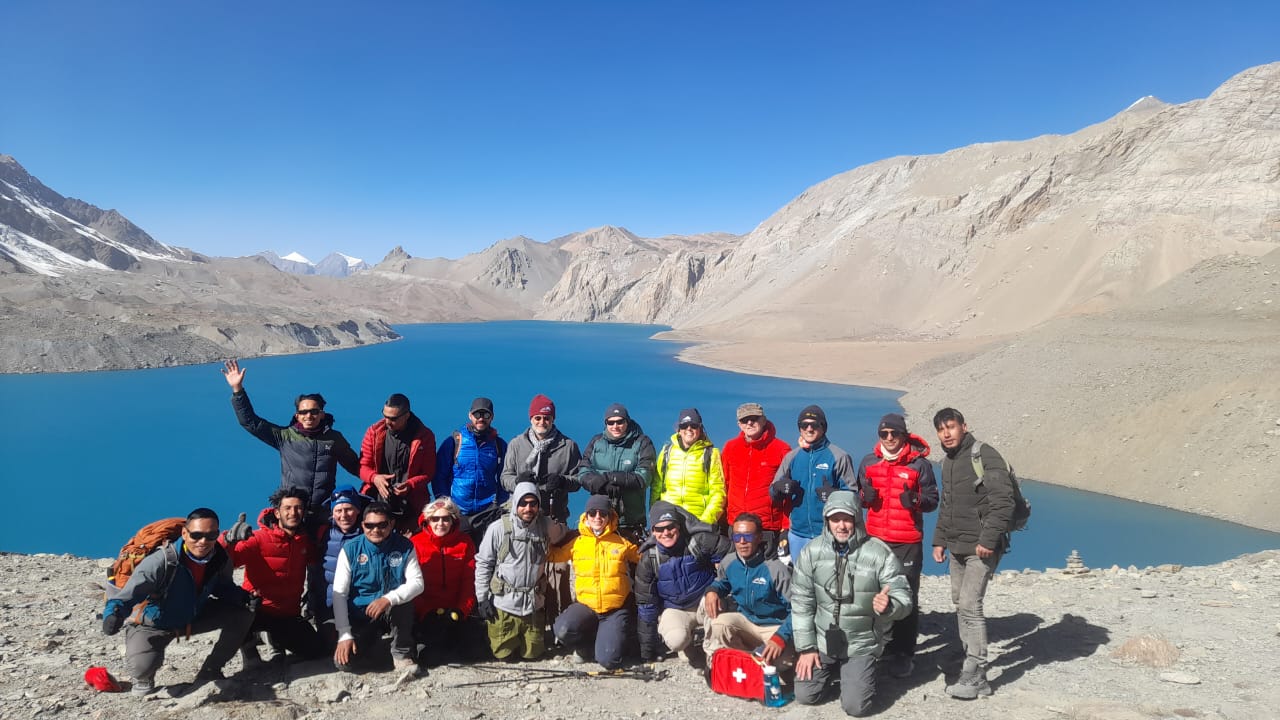
The Annapurna Tilicho Lake Trek is a stunning journey in the Annapurna Region that leads to one of the world’s highest lakes, Tilicho Lake. The trail passes through deep valleys, traditional villages, alpine forests, and dramatic mountain scenery. Starting from the beautiful Pokhara or Annapurna Circuit route, trekkers gradually ascend to higher altitudes, experiencing breathtaking views of peaks like Annapurna and Gangapurna. The lake itself, surrounded by towering snowy mountains, is the highlight of the trek. Moderate to challenging in difficulty, this trek is perfect for adventure lovers seeking natural beauty, high-altitude landscapes, and a rewarding Himalayan experience.
⇒where is Tilicho Lake Located?
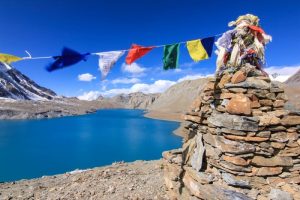
Tilicho Lake is located in the Annapurna Region of central Nepal, within the Manang District. It lies at an altitude of about 4,919 meters, making it one of the highest lakes in the world. The lake is reached via the Annapurna Circuit trail, with the nearest major town being Manang. Surrounded by the snow-covered peaks of the Annapurna range, Tilicho Lake sits in a remote alpine environment, offering breathtaking Himalayan scenery and a challenging yet rewarding trekking experience.
⇒ Ultimate Guide for Annapurna Tilicho Lake Trek: Difficulty & Distance
The Annapurna Tilicho Lake Trek in the Annapurna Region is considered a moderate to challenging trek, mainly due to its high altitude and long walking days. While the trails are not technically difficult, the ascent to Tilicho Lake at 4,919 meters requires good fitness and proper acclimatization. In terms of distance, the trek usually covers around 100–150 kilometers, depending on the route taken from the Annapurna Circuit. Trekkers typically walk 5 to 7 hours per day through deep valleys, rugged paths, and alpine landscapes. With steady pacing and preparation, this trek offers a rewarding Himalayan experience combining adventure, culture, and one of the world’s highest and most beautiful lakes.
⇒ Best Time to Trek for Tilicho Lake & Thorong-La Pass Trek
The best time to complete the Tilicho Lake and Thorong La Pass trek in the Annapurna Region is during the spring (March–May) and autumn (September– November) seasons. During these months, the weather is stable, skies are clear, and mountain views are at their best. Spring brings blooming rhododendrons and pleasant temperatures, while autumn offers crisp air and excellent visibility. These conditions make trekking to Tilicho Lake and crossing Thorong-La Pass safer and more enjoyable. Winter (December–February) is very cold with heavy snow at high passes, and monsoon (June–August) brings landslides and poor visibility, making both seasons less suitable for this trek.
⇒ How to Process Your Booking for Annapurna Tilicho Lake Trek?
Booking the Annapurna Tilicho Lake Trek in the Annapurna Region is simple when done through a registered trekking agency. First, choose your preferred itinerary and confirm travel dates. Then, provide your passport details for permit arrangements, including the Annapurna Conservation Area Permit (ACAP). Next, pay a deposit to confirm services such as a guide, porter, accommodation, and transportation. Once everything is finalized, the agency will handle logistics and prepare your trekking plan. Your journey usually begins from Pokhara or Kathmandu, with full support provided throughout the trek to Tilicho Lake.
⇒ Overview of the Annapurna Tilicho Lake Trek
→ Trek Duration: 14-16 days
→ Highest Point: Tilicho Lake (4,919 meters/16,138 feet)
→ Difficulty Level: Moderate to challenging (due to altitude, length, and terrain)
→ Best Time to Visit: Autumn (September-November) and Spring (March-May)
→ Location: Annapurna Conservation Area, Nepal
⇒ Major Highlights of the Annapurna Tilicho Lake Trek
The Annapurna Tilicho Lake Trek in the Annapurna Region is packed with unforgettable Himalayan experiences. The biggest highlight is reaching Tilicho Lake, one of the highest lakes in the world, surrounded by dramatic snow-capped peaks. The trek also offers stunning views of the Annapurna range, diverse landscapes from lush valleys to high alpine terrain, and charming villages rich in local culture. Trekkers pass through traditional settlements, ancient monasteries, and scenic trails along the Annapurna Circuit route. Starting from Pokhara, this journey combines natural beauty, cultural exploration, and high-altitude adventure, making it one of Nepal’s most rewarding trekking experiences.
→ Tilicho Lake: One of the highest-altitude lakes in the world, with a turquoise color, surrounded by snow-capped peaks.
→ Mountains Views: You’ll witness awe-inspiring views of Annapurna I, II, III, IV, Gangapurna, and other peaks.
→ Sunrise from Tilicho Lake: While the lake itself is a major highlight, trekking in the early morning for a sunrise view is magical.
→ Manang Valley: The trek takes you through the beautiful Manang Valley, with its distinct culture and landscapes.
→ Challenging Terrain: The journey involves high-altitude sections and remote areas, providing a sense of adventure.
⇒ what is the Cost of Annapurna Tilicho Lake Trek with Full Packages?
The Annapurna Tilicho Lake Trek in the Annapurna Region is usually done as an all-inclusive package, and the cost depends on group size, itinerary, and service level. Average Package Cost, A full package typically ranges between:
⇒ USD 1,199 – 1,300 per person (standard group package)
⇒ USD 1,300 – 1,600 per person (mid-range all-inclusive)
⇒ USD 1,600+ for solo or private luxury trekking
The cost of the Annapurna Tilicho Lake Trek varies, but most travelers spend around $1,200 to $1,600 for a complete hassle-free package. The price is higher than shorter treks because it includes high-altitude logistics, permits, and professional support but it delivers one of Nepal’s most rewarding Himalayan experiences.
⇒ How Much Do Guide & Porter Services Cost for Annapurna Tilicho Lake Trek:
For the Annapurna Tilicho Lake Trek in the Annapurna Region, hiring a guide and porter is a common and highly recommended option for safety and comfort.
⇒ Guide Cost: A licensed trekking guide typically costs around USD 25 – 30 per day it depends on guide
A guide helps with navigation, permits, safety, and provides cultural insights throughout the journey to Tilicho Lake.
⇒ Porter Cost: A porter usually charges USD 20 – 22 per day including food, accommodation, salary and insurance coverage
Porters carry your main backpack (usually up to 20–25 kg), allowing you to trek more comfortably, especially at high altitude.
While it increases the overall trekking budget, hiring a guide and porter greatly improves safety, comfort, and overall experience especially on high-altitude sections of the Annapurna circuit leading to Tilicho Lake
⇒ What Should We Pack for Annapurna Tilicho Lake Trek?
Packing for the Annapurna Tilicho Lake Trek in the Annapurna Region is important due to changing weather and high-altitude conditions.You should carry warm layered clothing, including a down jacket, thermal base layers, gloves, hat, and windproof outerwear. Sturdy trekking boots, warm socks, and a comfortable backpack are essential for long walking days. Other important items include a sleeping bag, sunglasses, sunscreen, reusable water bottle, trekking poles, and basic personal medicines. Don’t forget snacks, headlamp, and toiletries for remote teahouse stays. Proper packing ensures comfort, safety, and an enjoyable journey to Tilicho Lake.
⇒ Do We Need Trekking Permit for Annapurna Tilicho Lake Trek?
Yes, you need trekking permits for the Annapurna Tilicho Lake Trek in the Annapurna Region. Since the route lies within a protected conservation area, permits are mandatory for all trekkers. The main permits required are the Annapurna Conservation Area Permit (ACAP) and the TIMS (Trekkers’ Information Management System) card. These help support conservation efforts and ensure trekker safety throughout the journey. Permits are usually arranged by your trekking agency before starting the trek from Kathmandu, making the process simple and hassle-free.
Do I need Guide for Annapurna Tilicho Lake Trek?
If you’re planning the Annapurna Tilicho Lake Trek, one of the most common questions is whether hiring a guide is necessary. The short answer is: it depends on your experience, confidence, and the kind of trekking experience you want. Tilicho Lake, located in the Annapurna region, is one of the highest lakes in the world andlocated along a challenging extension of the Annapurna Circuit. The trail involves high altitudes, changing weather conditions, and remote sections, which can make navigation and safety more demanding. Hiring a guide is highly recommended, especially for beginners or those unfamiliar with high-altitude trekking. A licensed guide can help with navigation, manage logistics, and assist in emergencies such as altitude sickness. They also provide valuable local insights, making your journey more informative and culturally enriching. Even experienced trekkers often choose to hire a guide or porter for added safety and convenience. In recent years, Nepal has also introduced regulations requiring foreign trekkers in many regions to be accompanied by a licensed guide, making it not just helpful but sometimes mandatory. However, if you are an experienced trekker, well-prepared, and updated on the latest regulations, you may be able to trek independently in certain conditions. Still, due to the remoteness and altitude of Tilicho Lake, going with a guide remains the safer and more practical choice.
Which equipment should I bring for Annapurna Tilicho Lake Trek?
Preparing for the Tilicho Lake trek in the Annapurna region requires careful packing, as the journey takes you through diverse climates and high-altitude terrain along the Annapurna Circuit. Bringing the right equipment is essential for both safety and comfort. Start with proper clothing. Layering is key: pack moisture-wicking base layers, warm insulating layers like fleece or down jackets, and a waterproof outer shell to protect against wind and snow. A good pair of trekking boots with strong grip is crucial, along with thermal socks, gloves, a hat, and sunglasses to shield against cold and UV rays. For gear, you’ll need a sturdy backpack, a sleeping bag suitable for sub-zero temperatures, and trekking poles to help with steep and uneven trails. A headlamp with extra batteries is important, especially in remote areas with limited electricity. Don’t forget a refillable water bottle or hydration system, along with water purification tablets or a filter. Health and safety items are equally important. Carry a basic first aid kit, personal medications, sunscreen, lip balm, and altitude sickness medication if recommended. A map or GPS device can be useful, even if you’re trekking with a guide. Other useful items include quick-dry towels, toiletries, energy snacks, and a power bank for charging devices. Since weather conditions can change rapidly at high altitudes, it’s better to be slightly over-prepared than under-equipped. packing smart and light while ensuring you have all essential equipment will make your Annapurna Tilicho Lake Trek safer, more comfortable, and far more enjoyable.
Annapurna Tilicho Lake Trek Itinerary:
Day 01: Arrival in Kathmandu (1,310 m)
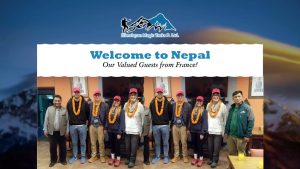
Upon your arrival in Kathmandu, you will be warmly welcomed by a representative of Himalayan Magic Treks. After the welcome program, you will be directly transferred to your hotel in Kathmandu. Enjoy a relaxing stay as you prepare for your exciting journey together overnight at Hotel
Day 02: Drive to Besisahar (760 m) by bus, enjoying scenic countryside views along the way. From Besisahar, continue the adventurous drive by local jeep to Dharapani (1,960 m), passing through beautiful villages, waterfalls, and mountain landscapes. Overnight stay at Lodge
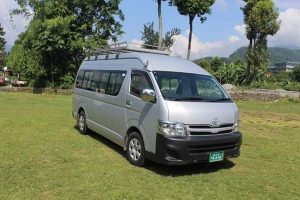
Day 03: Trek from Dharapani to Chame (2,670 m), taking around 5 hours through beautiful pine forests, traditional villages, and alongside the Marsyangdi River. Enjoy stunning mountain views along the trail before arriving in Chame for an overnight stay at Lodge.
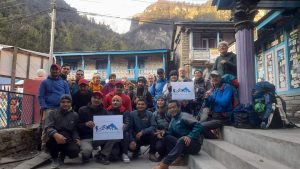
Day 04: Trek from Chame to Pisang (3,200 m), taking approximately 5 to 6 hours. The trail passes through dense forests, narrow valleys, and offers magnificent views of Annapurna and Pisang Peak. Upon arrival in Pisang, enjoy the peaceful mountain atmosphere with an overnight stay at Lodge
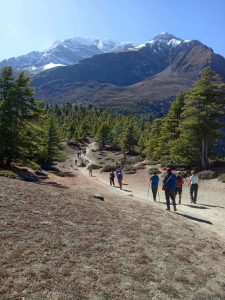
Day 05: Trek from Pisang to Manang (3,540 m), which takes around 5 hours. The trail offers spectacular views of the Annapurna mountain range, beautiful alpine landscapes, and traditional Himalayan villages. Arrive at Manang and enjoy an overnight stay at Lodge.
Day 06: Rest day for acclimatization at Manang (3,540 m). This important day helps your body adjust to the higher altitude. You can explore the beautiful village, enjoy short hikes to nearby viewpoints, and take in the stunning Himalayan scenery. Overnight stay at Lodge
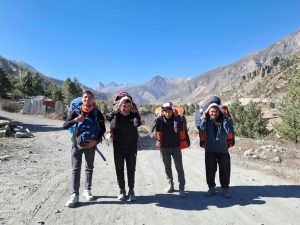
Day 07: Trek from Manang to Khangsar (3,734 m), taking approximately 5 hours. The trail leads through beautiful alpine landscapes, traditional Tibetan-style villages, and offers impressive views of the surrounding snow-capped peaks. Overnight stay at Lodge
Day 08: Trek from Khangsar to Tilicho Base Camp (4,150 m), taking around 5½ hours. The trail passes through rugged mountain terrain with breathtaking views of the Himalayas and dramatic landscapes. Arrive at Tilicho Base Camp and enjoy an overnight stay at Lodge.
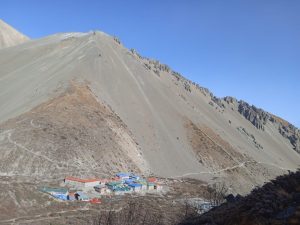
Day 09: Early morning hike to the spectacular Tilicho Lake (4,920 m), one of the world’s highest lakes. Enjoy breathtaking views of Tilicho Peak, Annapurna I, Chulu East, Chulu West, and many surrounding Himalayan peaks reflected in the crystal-clear lake. After exploring this incredible natural wonder, trek down to Siri Kharka (3,930 m). Total trekking time is around 7 to 8 hours with an overnight stay at Lodge
Day 10: Trek from Siri Kharka to Yak Kharka (4,020 m), taking around 5 hours. The trail gradually ascends through alpine meadows and rugged mountain landscapes with stunning views of the surrounding Himalayan peaks. Overnight stay at Lodge
Day 11: Trek from Yak Kharka to Thorong High Camp (4,800 m), taking approximately 5 hours. The trail gradually climbs through alpine terrain with dramatic mountain scenery and thinning air as you approach higher altitude. Arrive at Thorong High Camp and prepare for the challenging pass crossing ahead with an overnight stay at Lodge.
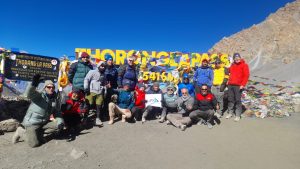
Day 12: Early morning breakfast followed by a challenging ascent to Thorong La Pass (5,416 m), the highest point of the trek. From the pass, enjoy breathtaking panoramic views of the Himalayas before descending toward Muktinath (3,760 m), a sacred pilgrimage site for both Hindus and Buddhists. The trek takes around 7 to 8 hours, followed by an overnight stay at Lodge.
Day 13: Drive from Muktinath to Tatopani (1,190 m), enjoying a scenic journey through mountain roads, deep valleys, and traditional villages. Upon arrival in Tatopani, relax and unwind in the natural hot springs. Overnight stay at Lodge
Day 14: Early morning drive from Tatopani to Pokhara (822 m). Enjoy a scenic journey through riverside roads, terraced hills, and charming villages along the way. Upon arrival in Pokhara, transfer to your hotel and spend the rest of the day at leisure.
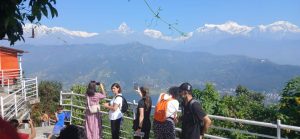
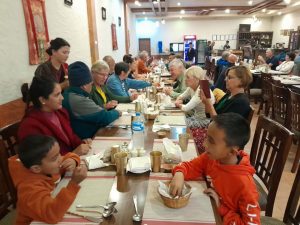
Day 15: Drive from Pokhara back to Kathmandu, enjoying the scenic highway views along the way. Upon arrival, transfer to your hotel and relax after the journey. In the evening, enjoy a farewell dinner together with a traditional Nepali cultural program, celebrating the successful completion of your trek.
Day 16: Departure from Kathmandu to your onward destination. After breakfast, you will be transferred to the airport as per your flight schedule. Our team bids you a warm farewell, marking the end of your memorable Himalayan journey.

nabinkarki
A Himalayan travel contributor sharing destination guidance, local insight and practical planning advice.
Traveler Comments