

 French
Table of Contents
25th Nov, 2023 by: Himalayan Magic Treks
How difficult is Annapurna Base Camp Trek
Embarking on the ABC trek opens doors to captivating landscapes in the heart of the Annapurna Sanctuary. With majestic peaks surrounding you, the question arises: 'How difficult is the Annapurna Base Camp Trek?' In this exploration, we delve into the complexities of this renowned trek, assessing terrain, weather conditions, and overall challenges. If you're seeking a quick answer, know that the Annapurna Base Camp Trekking is classified as moderate, offering an accessible yet exhilarating adventure. Join us as we unravel the mysteries, providing valuable insights to navigate challenges and transform your trek into an unforgettable experience.

Factors That Can Make Annapurna Base Camp Treks Difficult
1.Terrain and Elevation
The Annapurna Base Camp trek's challenges include navigating steep ascents, descents, rocky paths, and varied terrains, demanding agility and surefootedness. Adapting to changing landscapes, from lush forests to alpine meadows, enhances the physical and mental difficulty. A thorough understanding of the topography is crucial for successfully navigating these challenges.
Tips for Navigating Terrain and Elevation:
- Strength and Conditioning: Include strength training in your pre-trek fitness routine to prepare your muscles for varied terrains.
- Gradual Elevation Gain: Plan your itinerary to include gradual elevation gain, allowing your body to acclimatize naturally.
- Pacing: Maintain a steady and sustainable pace, especially during ascents, to conserve energy and reduce the risk of exhaustion.
2.Quality of Trekking Gear:
Quality trekking gear is paramount for conquering the challenges of the ABC trekking. Ill-fitting boots, inadequate clothing, and subpar equipment increase the risk of discomfort and injuries, hindering your ability to navigate varied terrains and changing weather conditions.
Tips for Trekkers:
- Invest in High-Quality Hiking Boots: Select boots with proper ankle support and a comfortable fit to prevent blisters and injuries on the challenging terrain.
- Choose Weather-Appropriate Clothing: Pack layers that are moisture-wicking, quick-drying, and suitable for a range of weather conditions. This ensures you stay dry and comfortable throughout the trek.
- Select a Comfortable Backpack: Opt for a backpack with an ergonomic design, adjustable straps, and proper weight distribution. This minimizes strain on your back and shoulders, enhancing your overall trekking experience.
- Prioritize Sleeping Gear: Invest in a high-quality sleeping bag with the right temperature rating and an insulated sleeping pad. A good night's sleep is crucial for physical recovery and mental well-being during the trek.
3.Trekking In Off-season
Choosing the Annapurna Base Camp trek during the off-season presents unique challenges. Adverse weather conditions, with heavy rainfall and potential snowfall, make the trail slippery and hazardous. The off-season's limited teahouse availability adds logistical challenges, requiring careful planning for the increased difficulty presented by environmental factors during this period.
Tips for Trekkers:
- Right Season Planning: Plan your trek during peak seasons (spring or autumn) for better trail conditions.
- Pack for Variable Conditions: Prepare for unpredictable weather by bringing waterproof and windproof gear. Layers allow you to adapt to changing conditions.
- Enjoy Quieter Trails: Embrace the tranquility of off-season trekking. Plan your itinerary to explore less crowded trails and appreciate the beauty of the Annapurna region without the hustle and bustle.
- Stay Informed: Regularly check trail conditions with local authorities and fellow trekkers. This information helps you adjust your plans, ensuring a safer and more enjoyable trek.
4.High Altitude and Altitude Sickness
Ascending to high altitudes is a significant challenge of the ABC trek, with altitude sickness posing a threat. Symptoms like headaches and nausea due to decreased oxygen levels can impede progress. Trekkers must be mindful of the risks associated with rapid ascents and prioritize acclimatization to mitigate the impact of altitude on the overall difficulty of the trek.
Tips for Trekkers:
- Prioritize Acclimatization: Schedule acclimatization days into your itinerary, allowing your body to gradually adjust to higher altitudes. This reduces the risk of altitude-related illnesses.
- Stay Hydrated: Drink plenty of water to combat dehydration, a common issue at higher elevations. Proper hydration aids in acclimatization and overall well-being.
- Recognize Symptoms Early: Educate yourself on the signs of altitude sickness, such as headache, nausea, and dizziness. If symptoms arise, descend to lower altitudes promptly. Seeking medical attention is crucial if symptoms persist.
- Include Diamox in Your First Aid Kit: Consult with a healthcare professional before the trek and consider carrying Diamox as a preventive measure against altitude sickness. It can aid in acclimatization and reduce the risk of symptoms.
5.Physical and Mental Health
The Annapurna Base Camp trek's demanding terrain requires both physical and mental preparedness. Trekkers face steep ascents and descents, demanding cardiovascular endurance and strength. The psychological impact of isolation, fatigue, and high-altitude challenges adds to the overall difficulty.
Tips for Trekkers:
- Pre-Trek Fitness Preparation: Engage in a comprehensive fitness regimen, including cardiovascular exercises and strength training, to build stamina and endurance.
- Mental Preparation: Cultivate a positive mindset and mental resilience. Be prepared for the physical exertion and mentally challenging aspects of the trek.
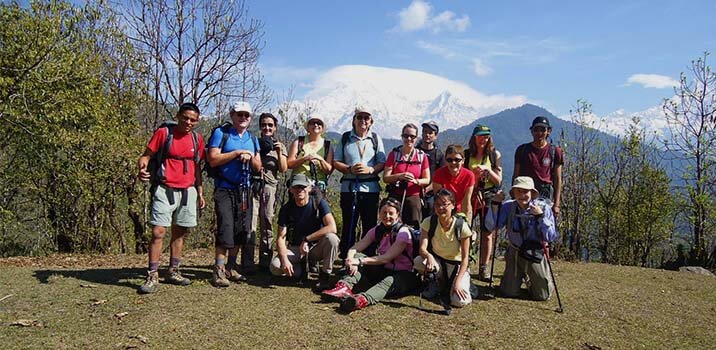
6.Trekking Without Professional Guide and Porter
Embarking on the trek without a professional guide and porter introduces challenges. Local guides offer vital terrain knowledge and cultural insights, while porters ease the burden of heavy loads. Trekking without this support may result in navigation difficulties, prolonging the trek and increasing physical strain.
Tips for Trekkers:
- Hire a Professional Guide: A knowledgeable guide can navigate the trails, provide insights into the region, and ensure your safety.
- Utilize Porter Services: Hiring a porter lightens your load, allowing you to focus on enjoying the trek. It also supports the local economy.
7.First-Time Trekker or Inexperience
The ABC trek can be overwhelming for first-time trekkers. Unfamiliarity with long-distance trekking, high altitudes, and rugged terrains contributes to the perceived difficulty. Novice trekkers may struggle to adapt to the demands of the journey, both physically and mentally.
Tips for First-Time Trekkers:
Join a Guided Group: A Community for Support
Opting for a guided group trek provides support, guidance, and a sense of community for first-time trekkers.
Training and Preparation: Building Stamina and Confidence
Invest time in pre-trek training, including short hikes and understanding basic trekking techniques. Familiarize yourself with the equipment and essentials.
Research the Trail: Familiarize Yourself with the Journey
Before embarking, research the Annapurna Base Camp trail. Understand key landmarks and potential challenges to enhance your trekking experience and safety.
Mind Your Pace: Conserving Energy for the Journey
Maintain a steady pace to conserve energy and reduce fatigue. Avoid overexertion, especially during challenging sections.

Conclusion
The ABC trek, while challenging, is an achievable and rewarding expedition for those well-prepared. The diverse terrains, high altitudes, and varying weather conditions contribute to its difficulty, but with the right tips and strategies, trekkers can navigate these challenges successfully. Remember, the Annapurna Base Camp Trek is classified as moderate, making it accessible to determined adventurers. As you plan your journey, consider the terrain, weather, and overall difficulty, and equip yourself with the knowledge provided here. With proper preparation, the mount ABC trekking can be an unforgettable and transformative experience.