
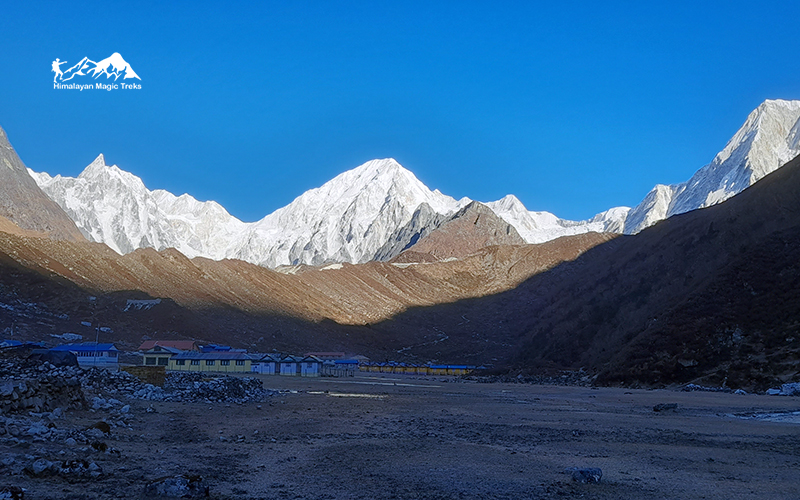
A comprehensive Guide for Manaslu Circuit Tsum Valley Trek: The Manaslu Circuit and Tsum Valley Trek is one of Nepal’s most rewarding and culturally rich Himalayan adventures. Located in the restricted Manaslu region near the Tibetan border, this trek combines dramatic mountain scenery with ancient Buddhist culture, remote villages, and untouched wilderness.
The Manaslu Circuit Trek circles Mount Manaslu 8,163m, the eighth-highest mountain in the world, crossing the challenging Larke La Pass 5,160 m. The trail offers diverse landscapes from lush green valleys and terraced fields to high alpine terrain and glacier views. Along the way, trekkers experience authentic Nepalese and Tibetan-influenced villages, monasteries, and warm local hospitality.
The Tsum Valley extension is a hidden Himalayan gem, known as the “Hidden Valley of Happiness.” It remains deeply spiritual and less explored, featuring ancient monasteries such as Mu Gompa and Rachen Gompa, along with unique Tibetan Buddhist traditions that have been preserved for centuries. This trek typically ranges from 18 to 24 days depending on itinerary and acclimatization needs. A special restricted area permit is required, and trekkers must be accompanied by a licensed guide and at least one trekking partner.
Manaslu Circuit and Tsum Valley Trek Highlights:
⇒ Scenic circuit around Mt. Manaslu (8,163m)
⇒ Crossing the high-altitude Larke La Pass (5,160m)
⇒ Exploration of the sacred Tsum Valley
⇒ Ancient Buddhist monasteries and prayer flags
⇒ Remote Himalayan villages and rich cultural experiences
⇒ Stunning views of Himalchuli, Ngadi Chuli, and Ganesh Himal ranges
⇒ This trek is ideal for experienced trekkers seeking a less crowded alternative to Everest or Annapurna, offering both adventure and deep cultural immersion in one of Nepal’s most pristine regions.
A comprehensive Guide for Manaslu Circuit Tsum Valley Trek: The Manaslu Circuit Trek combined with the Tsum Valley Trek is one of the most scenic and culturally rich treks in Nepal. It offers a perfect blend of natural beauty, remote villages, ancient Buddhist monasteries, and magnificent mountain views. This combined trek takes you through isolated regions, offering a unique insight into the lifestyle and traditions of the people who live there.
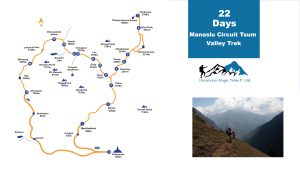
Manaslu Circuit Tsum Valley Trek in Nepal
Duration: 18-21 days (depending on the specific itinerary)
Starting Point: Soti Khola
Ending Point: Dharapani or Besi Sahar (depending on whether you finish the trek at Manaslu Circuit or the Tsum Valley extension)
Region: Manaslu Conservation Area & Tsum Valley (both located in the Gorkha district)
Maximum Altitude: 5,160 meters (Larkya La Pass)
Difficulty Level: Moderate to Challenging
Highlights of the Manaslu Circuit & Tsum Valley Trek in Manaslu
Manaslu’s Majestic Views: The trek is named after Mount Manaslu (8,163 meters), the eighth-highest mountain in the world. The route offers stunning views of Manaslu and surrounding peaks like Ganesh Himal and Himalchuli.
Tsum Valley: A hidden gem known for its untouched culture, where you can interact with Tibetan-influenced communities. The valley is dotted with ancient monasteries and offers a spiritual and serene atmosphere.
Larkya La Pass (5,160 meters): One of the most challenging and rewarding high-altitude passes in Nepal.
Buddhist Culture: You’ll trek through remote villages where Tibetan Buddhism is the dominant religion, passing by monasteries, stupas, and prayer flags.
Manaslu Circuit Tsum Valley Short Trek Itinerary: 22 Days
Day 01: Arrival in Kathmandu Airport 1310 m welcome by Himalayan Magic Treks member and direct transfer by private transport to Hotel
Day 02: Permit preparation day in Kathmandu overnight at Hotel with Breakfast
Day 03: Drive to Machha Khola by Bus overnight at Lodge
Day 04: Trek from Macchi Khola to Jagat (1410 m/ 4625 ft) 6 hrs overnight at Lodge
Day 05: Trek from Jagat to Philim (1590 m/ 5215 ft) 3hrs overnight at Lodge.
Day 06: Trek from Philim to Chumling (2363 m /7775 ft) 6 to 7 hours overnight at Lodge.
Day 07: Trek from Chumling to Chokhangparo (3010 m/9903ft) 5 to 6 hours overnight at Lodge
Day 08: Trek from Chokhangparo to Nile (3361 m/11058ft), via Milarepa cave 6/7 hours overnight at Lodge
Day 09: Trek from Nile to Bhajyo (Chhekya) (4030 m/13218ft) 4 hours overnight at Lodge
Day 10: Rest at Bhajyo (Cheekya) overnight at Lodge
Day 11: Trek from Bhajyo to Rachen Gompa (3240 m/10627ft) 6 hrs overnight at Lodge
Day 12: Trek from Rachen Gompa to Chumje (3230 m/10,595ft) 5 to 6 hours overnight at Lodge
Day 13: Trek from Chumje to Bihi (3130 m/10266ft) 4/5 hours overnight at Lodge
Day 14: Trek from Bihi to Namrung (2540 m/8331ft) 6 hours overnight at Lodge
Day 15: Trek from Namrung to Lho (3180 m/10,430 ft) 4 hours overnight at Lodge
Day 16: Trek from Lho to Samagaon (3530 m/11578 ft) 5 to 6 hours overnight at Lodge
Day 17: Trek from Sama to Samdo (3860m/12660 ft) 4/5 hrs overnight at Lodge
Day 18: Trek from Samdo – High Camp (Ekle Bhatti) (4460 m/14628ft) 5 hours overnight at Lodge
Day 19: Trek from High Camp via Larke-La Pass Trek 5160 meters to Bimthang (3590 m/11811ft), 7 to 8 hours walking overnight at Lodge
Day 20: Trek from Bimthang to Dharapani (1860 m/6100ft) 6 to 7 hrs overnight at Lodge
Day 21: Drive from Dharapani – Besisahar (800 m/2625 ft) than same day drive back to Kathmandu by Bus over night Hotel on bed & breakfast
Day 22: Departure from Hotel to Kathmandu Airport for your onward destination
What are included in my Package?
The Trip cost will very depending on the size of the group, duration of the trip and services basis. Make your own team to customize the price so contact us about the tour packages via Email:himalayanmagictreks3@gmail.com with your details to obtain a quote. Book a Manaslu Circuit Tsum Valley Trek with Local Company 100% safe
⇒ 2 times International Airport picks up & drops by Private Transport as per Group size
⇒ Kathmandu Hotel: 3 nights standard Hotel Holy Himalaya or Same Category with Breakfast
⇒ Drive from Kathmandu to Machhakhola by Bus including Guide and Porter
⇒ Drive from Besisahar to Kathmandu by Bus including Guide and Porter
⇒ Food: 3 meals per day during the trek (Breakfast Lunch Dinner)
⇒ Accommodations: 19 nights Mountain’s Lodge during the trek
⇒ High Experienced Government Licensed holder Guide and Necessary porter during the trek
⇒ All Government local Taxes, Extra 13 % VAT
⇒ Special Permit of Manaslu and Tsum Valley Both Parts
⇒ Manaslu Conservation Area project Fees (Permit) Per Person NRs 3000
⇒ Annapurna Conservation Area project Fees (Permit) Per Person NRs 3000
⇒ Manaslu Rural Municipality Fees Per Person NRs 1000
⇒ First Aid kit and general equipment for Porter
⇒ Guide and porter salary
⇒ Free of cost Himalayan Magic Treks Duffle Bag to protect your Luggage
⇒ A company T-shirt, Or Cap as a Souvenir
⇒ Himalayan Magic Trek’s Appreciation Certificate after the successful trek
⇒ All Field Staff insurance during the trekking and extra services according to the guest per Demand
⇒ Farewell dinner with Typical Nepali restaurant
What are excluded from my Package?
⇒ Lunch and Dinner in Kathmandu
⇒ Any types of Hot and Cold Drinks Tea or coffee, Coke, Fanta , Juice, Mineral water , Hard Drinks (such as alcohol and non alcohol beverage drinks) etc
⇒ Trekking equipment any type of personal expenses such as Alcoholic Beverage drinks,phone and Laundry.
⇒ Emergency Rescue and Travel Insurance
⇒ Trip Cancellation cost accident or Health, Loss Theft or Damage and personal effects
⇒ Tips for Guide and porters
Manaslu Circuit Tsum Valley Detail Trek Itinerary:
Day 01: Arrival in Kathmandu (1,310m)
Upon arrival at Tribhuvan International Airport, you will be warmly welcomed by a representative from Himalayan Magic Treks. After completing airport formalities, you will be transferred by private transport to your hotel in Kathmandu. The rest of the day is free for rest and recovery from your journey or a short exploration of the nearby area. Overnight stay at the hotel in Kathmandu
Day 02: Permit Preparation Day in Kathmandu
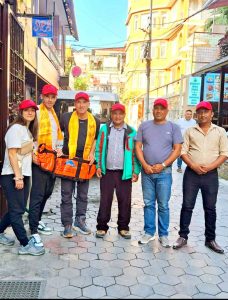
Today is reserved for final trek preparations and obtaining all necessary permits for your journey. Our team will handle the required paperwork while you relax or explore the cultural highlights of Kathmandu Valley. This is also a good opportunity to check your trekking gear and make any last-minute arrangements. Overnight stay at the hotel in Kathmandu with breakfast included.
Day 03: Drive to Machha Khola
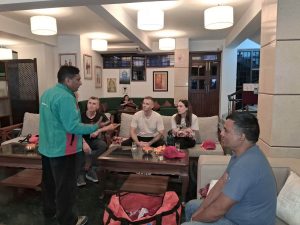
After an early breakfast, begin a scenic drive from Kathmandu to Machha Khola by local bus, passing through winding mountain roads, rivers, and rural landscapes of central Nepal. The journey offers beautiful views of hills, terraced fields, and traditional villages along the way. Upon arrival at Machha Khola, settle into a local lodge and relax after the long drive. Overnight stay at a Lodge
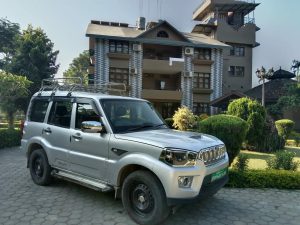
Day 04: Trek from Machha Khola to Jagat (1,410m / 4,625ft) – 6 Hours
After breakfast, begin your trek along the scenic Budhi Gandaki River, crossing suspension bridges, small villages, and natural hot springs along the way. The trail gradually ascends through lush forests and terraced landscapes, offering a glimpse of rural Himalayan life. After approximately 6 hours of trekking, arrive at Jagat, a beautiful stone-paved village and an entry point to the restricted Manaslu region. Overnight stay at a Lodge
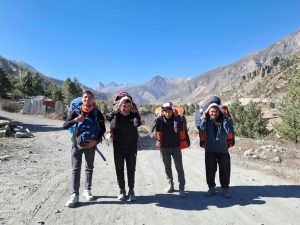
Day 05: Trek from Jagat to Philim (1,590m / 5,215ft) – 3 Hours
After breakfast, continue your trek along the Budhi Gandaki Valley, gradually ascending through terraced fields, small settlements, and lush forests. The trail is relatively short and pleasant, allowing time to enjoy the natural surroundings and traditional village life. After about 3 hours of walking, arrive at Philim, a beautiful Gurung village known for its scenic views and peaceful atmosphere. Overnight stay at a Lodge
Day 06: Trek from Philim to Chumling (2,363m / 7,775ft) – 6 to 7 Hours
After breakfast, leave the main Manaslu Circuit trail and enter the serene Tsum Valley region. The route climbs steadily through lush forests, suspension bridges, and quiet mountain settlements, offering increasingly beautiful views of the surrounding hills and rivers. The trail becomes more remote and culturally rich as you approach the hidden valley. After 6 to 7 hours of trekking, arrive at Chumling, a peaceful village in Lower Tsum Valley. Overnight stay at a Lodge
Day 07: Trek from Chumling to Chokhangparo (3,010m / 9,903ft) – 5 to 6 Hours
After breakfast, continue your journey deeper into the Tsum Valley, ascending through peaceful trails surrounded by forests, traditional settlements, and impressive Himalayan scenery. The route offers cultural encounters with local Tibetan-influenced communities and beautiful views of Ganesh Himal and surrounding peaks. After 5 to 6 hours of trekking, arrive at Chokhangparo, a charming village known for its unique culture and serene mountain setting. Overnight stay at a Lodge
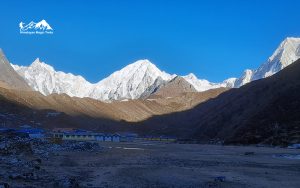
Day 08: Trek from Chokhangparo to Nile (3,361m / 11,058ft) via Milarepa Cave – 6 to 7 Hours
After breakfast, continue trekking deeper into Upper Tsum Valley, passing through traditional villages, mani walls, and ancient chortens. En route, visit the sacred Milarepa Cave, an important meditation site of the famous Tibetan saint, offering spiritual significance and peaceful surroundings. The trail gradually ascends with stunning views of the surrounding Himalayan landscapes. After 6 to 7 hours of trekking, arrive at Nile, one of the last settlements in Upper Tsum Valley. Overnight stay at a Lodge
Day 09: Trek from Nile to Bhajyo (Chhekya) (4,030m / 13,218ft) – 4 Hours
After breakfast, begin a gradual ascent from Nile towards Bhajyo (Chhekya), trekking through remote high-altitude terrain with open landscapes and dramatic Himalayan views. The trail becomes quieter and more rugged as you move deeper into the upper valley, offering a true sense of wilderness and isolation. After approximately 4 hours of walking, arrive at Bhajyo (Chhekya), a peaceful highland area surrounded by majestic mountain scenery. Overnight stay at a Lodge
Day 10: Rest Day at Bhajyo (Chhekya)
Today is a well-earned rest and acclimatization day at Bhajyo (Chhekya). Spend the day relaxing in the serene high-altitude environment while allowing your body to adjust to the elevation. You may explore the surrounding landscapes, enjoy short walks, or simply take in the peaceful Himalayan atmosphere and stunning mountain views. Overnight stay at a Lodge
Day 11: Trek from Bhajyo (Chhekya) to Rachen Gompa (3,240m / 10,627ft) – 6 Hours
After breakfast, descend gradually from Bhajyo and continue trekking through the remote and culturally rich landscapes of Upper Tsum Valley. The trail passes traditional villages, mani walls, and serene mountain scenery, offering deep insight into Tibetan-influenced Buddhist culture. After approximately 6 hours of trekking, arrive at Rachen Gompa, one of the most important monasteries in the region, known for its peaceful environment and spiritual significance. Overnight stay at a Lodge
Day 12: Trek from Rachen Gompa to Chumje (3,230m / 10,595ft) – 5 to 6 Hours
After breakfast, begin your return journey from Rachen Gompa, retracing the scenic trails of the Tsum Valley. The route passes through peaceful villages, ancient monasteries, and beautiful Himalayan landscapes, offering final glimpses of the region’s rich culture and natural beauty. After approximately 5 to 6 hours of trekking, arrive at Chumje, a quiet settlement surrounded by stunning mountain scenery. Overnight stay at a Lodge
Day 13: Trek from Chumje to Bihi (3,130m / 10,266ft) – 4 to 5 Hours
After breakfast, continue your descent from Chumje along the scenic trails of the Manaslu region. The route follows the Budhi Gandaki Valley, passing through small settlements, forests, and terraced landscapes with beautiful mountain views along the way. After approximately 4 to 5 hours of trekking, arrive at Bihi, a traditional village offering a peaceful atmosphere and insight into local Himalayan culture. Overnight stay at a Lodge
Day 14: Trek from Bihi to Namrung (2,540m / 8,331ft) – 6 Hours
After breakfast, continue your descent along the Budhi Gandaki Valley, trekking through beautiful forests, small villages, and terraced fields. The trail gradually changes in landscape as you re-enter greener surroundings with stunning views of the surrounding Himalayan peaks. After approximately 6 hours of trekking, arrive at Namrung, a charming village known for its traditional houses, monasteries, and welcoming atmosphere. Overnight stay at a Lodge
Day 15: Trek from Namrung to Lho (3,180m / 10,430ft) – 4 Hours
After breakfast, begin your trek through scenic forests and traditional Tibetan-influenced villages. The trail gradually ascends, offering increasingly close views of the surrounding Himalayan peaks, including Manaslu region landscapes. After approximately 4 hours of trekking, arrive at Lho, a beautiful village known for its impressive monastery and stunning views of Mt. Manaslu. Overnight stay at a Lodge
Day 16: Trek from Lho to Samagaon (3,530m / 11,578ft) – 5 to 6 Hours
After breakfast, continue your journey through the heart of the Manaslu region, trekking past monasteries, chortens, and beautiful alpine landscapes. The trail offers outstanding views of Mount Manaslu and surrounding peaks as you gradually ascend through peaceful mountain terrain. After approximately 5 to 6 hours of trekking, arrive at Samagaon, one of the largest and most culturally rich villages in the region. Overnight stay at a Lodge
Day 17: Trek from Samagaon to Samdo (3,860m / 12,660ft) – 4 to 5 Hours
After breakfast, continue your gradual ascent through the high Himalayan landscape towards Samdo. The trail is wide and scenic, offering beautiful views of Mount Manaslu, glaciers, and surrounding peaks. As you move higher, the vegetation becomes sparse and the air more crisp, reflecting the true alpine environment. After approximately 4 to 5 hours of trekking, arrive at Samdo, a remote Tibetan-influenced village near the Nepal-Tibet border. Overnight stay at a Lodge
Day 18: Trek from Samdo to High Camp (Ekle Bhatti) (4,460m / 14,628ft) – 5 Hours
After breakfast, begin your ascent from Samdo towards High Camp (Ekle Bhatti), moving through rugged alpine terrain with breathtaking views of glaciers, snow-covered peaks, and the surrounding Himalayan landscape. The trail gradually becomes steeper and more challenging as you gain altitude. After approximately 5 hours of trekking, arrive at High Camp, a remote and peaceful stop offering stunning mountain scenery and preparation for the upcoming pass. Overnight stay at a Lodge
Day 19: Cross Larke-La Pass (5,160m) and Trek to Bimthang (3,590m) – 7 to 8 Hours
After an early start, ascend towards the challenging Larke-La Pass (5,160m), the highest point of the trek. The climb is demanding but rewarding, offering breathtaking panoramic views of Himlung Himal, Cheo Himal, Kang Guru, and Annapurna II. After spending some time at the pass, descend carefully through glacial valleys and dramatic mountain landscapes towards Bimthang. After approximately 7 to 8 hours of trekking, arrive at Bimthang for a well-earned rest. Overnight stay at a Lodge
Day 20: Trek from Bimthang to Dharapani (1,860m / 6,100ft) – 6 to 7 Hours
After breakfast, begin your descent from Bimthang, enjoying stunning views of snow-capped peaks, glaciers, and lush valleys. The trail passes through rhododendron and pine forests, traditional villages, and beautiful river landscapes as you gradually lose altitude. After approximately 6 to 7 hours of trekking, arrive at Dharapani, a key junction in the Annapurna region with a lively mountain atmosphere. Overnight stay at a Lodge
Day 21: Drive from Dharapani to Besisahar and Return to Kathmandu
After breakfast, drive from Dharapani to Besisahar, enjoying the scenic journey through river valleys, terraced hills, and rural mountain settlements. From Besisahar, continue the drive back to Kathmandu by bus, passing through winding roads and beautiful countryside landscapes along the way. Upon arrival in Kathmandu, transfer to your hotel and rest after the long journey. Overnight stay at the hotel on a bed and breakfast basis
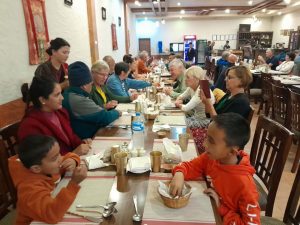
Day 22: Departure Transfer to Kathmandu Airport
After breakfast, check out from your hotel. A representative from Himalayan Magic Treks will transfer you to Tribhuvan International Airport in Kathmandu for your onward journey. We hope you leave Nepal with unforgettable memories of your trekking adventure and the majestic Himalayas. Safe travels and hope to see you again!

Cost of the Manaslu Circuit Tsum Valley Trek
The overall cost of the Manaslu Circuit with Tsum Valley Trek can vary depending on several factors such as the trekking season, choice of guide/porters, accommodations, and personal preferences. On average:
Guided Trek (per person): USD 1,400 – 2,000
Includes: Guide, porters, permits, accommodations, and meals during the trek.
Does not include flights, insurance, personal expenses, or other extra services.
For independent trekkers, this will include permits, local accommodation, food, and basic equipment.
Breakdown of costs:
Manaslu Circuit Tsum Valley Permit Fees:
Manaslu Trek Permit: USD 100 (for the first week) + USD 15 (per week after that)
Tsum Valley Permit: USD 40
ACAP (Annapurna Conservation Area Permit): USD 30
MCAP (Manaslu Conservation Area Permit): USD 30
Guide: USD 25 – 30 per day
Porter: USD 18 – 20 per day
Accommodation and Meals:
Teahouse Lodging & Foods: USD 30 – 35 per night (varies by location)
Meals: USD 12 – 15 per Meals
Manaslu Circuit Tsum Valley Difficulty Level
The Manaslu Circuit and Tsum Valley Trek is classified as moderate to challenging due to the high altitude, remote locations, and demanding nature of the Larkya La Pass.
Altitude: You will be trekking up to an altitude of 5,160 meters, which requires proper acclimatization.
Trail Terrain: Some parts of the trek involve steep ascents, rocky trails, and occasional high-altitude hiking.
Larkya La Pass: This is the most challenging day, involving long hours of trekking in difficult weather conditions and the risk of altitude sickness.
Physical Preparation: You need to be in good physical shape to handle long hours of walking, some of which may be strenuous.
Previous trekking experience in high-altitude conditions is highly recommended.
Required Equipment: Here’s a basic list of necessary trekking equipment for the Manaslu Circuit & Tsum Valley Trek:
- Clothing:
Layered clothing for warmth: Base layer, mid-layer, and waterproof outer shell.
Warm fleece or down jacket for cold weather.
Trekking pants and shirts.
Lightweight gloves and hats (for sun and warmth).
Gaiters (for snow or mud).
Comfortable, moisture-wicking socks.
A good quality pair of trekking boots.
- Backpack:
A comfortable trekking backpack (35-50L) for your personal items.
A daypack for your essentials during day hikes.
- Sleeping Gear:
Sleeping bag (rated for -10°C or lower).
Sleeping pad (for comfort).
Headgear & Sunglasses:
Sunglasses with UV protection.
A wide-brimmed hat or cap for sun protection.
Trekking Poles:
A good pair of trekking poles to help with balance and reduce knee stress.
Water Treatment:
Water purification tablets or a filter bottle.
Personal Items:
First-aid kit (personal meds, bandages, blister plasters).
Power bank (there may be limited charging facilities in some areas).
Camera, phone, or tablet.
Cash (for food, tips, and emergency expenses).
Technical Gear (if applicable):
Crampons and an ice axe (if trekking during winter or with snow).
The Manaslu Circuit Trek with the extension to Tsum Valley is one of the most rewarding treks in Nepal, offering a combination of natural beauty, cultural experiences, and physical challenge. This trek is ideal for those looking for a less crowded alternative to the Everest and Annapurna regions. With its pristine landscapes, rich heritage, and stunning mountain views, the trek promises an unforgettable adventure. However, due to the remote locations and high-altitude climbs, it is essential to be well-prepared both physically and mentally. Make sure you trek with a professional guide or local agency, as permits and logistics can be tricky for independent trekkers. The combination of a well-maintained route and breathtaking scenery will leave you with lasting memories!

Himalayan Magic Treks
A Himalayan travel contributor sharing destination guidance, local insight and practical planning advice.
Traveler Comments