
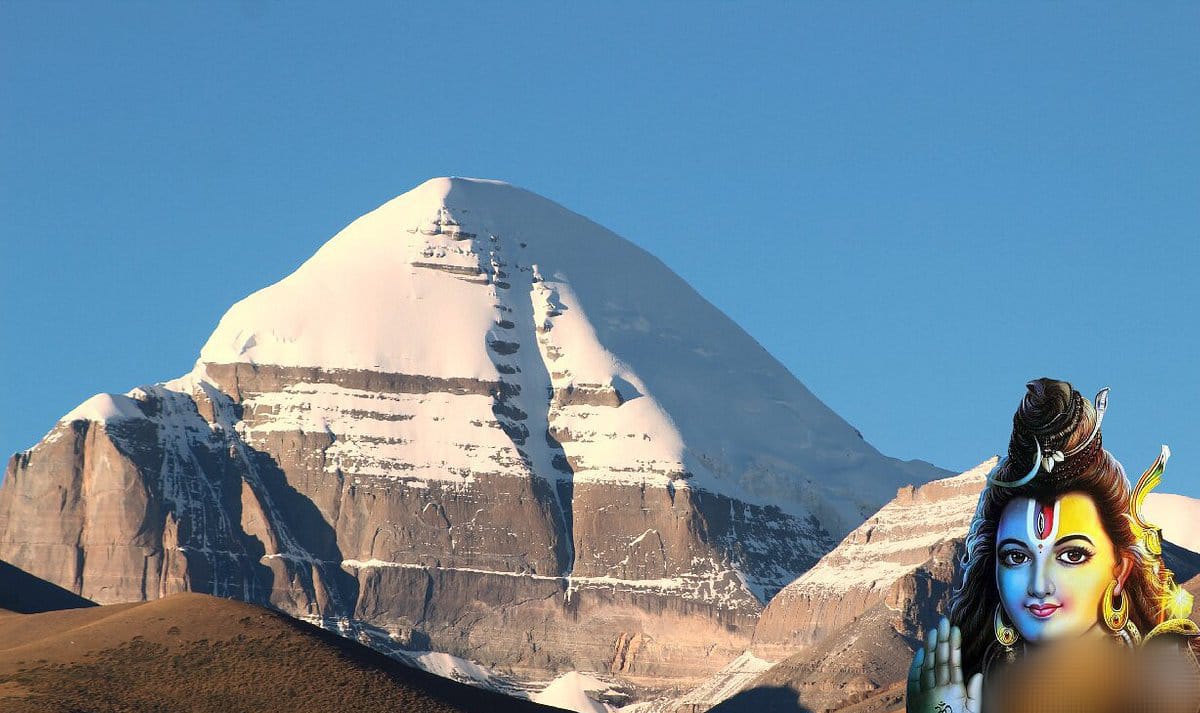
A complete Guide for Tibet Kailash Mansarovar Pilgrimage Tour: The Kailash Tour in Tibet is a profound journey to one of the most sacred and spiritually powerful destinations in the Himalayas. Located in the remote western region of Tibet, the tour takes you to the majestic Mount Kailash, revered by Hindus, Buddhists, Jains, and Bon followers as the spiritual center of the universe. it’s perfectly symmetrical pyramid-like form is believed to be the earthly manifestation of divine energy. The journey also includes the holy Lake Manasarovar, one of the highest freshwater lakes in the world. Its crystal-clear waters are considered sacred, symbolizing purity and spiritual cleansing. Pilgrims often take ritual baths and perform prayers along its serene shores, seeking inner peace and liberation.
A highlight of the tour is the legendary Kora (circumambulation) around Mount Kailash, a demanding yet deeply spiritual trek that tests both physical endurance and devotion. Walking through high mountain passes, vast valleys, and ancient pilgrimage routes, travelers experience a unique blend of natural beauty and spiritual awakening.
The Kailash Tour is not just a journey through the Himalayas it is a transformative pilgrimage that touches the soul, offering reflection, devotion, and a once-in-a-lifetime connection with the sacred heart of Asia.
Mount Kailash 6,638 meters A Sacred Journey to the Roof of the World! Embark on a spiritual pilgrimage to one of the holiest and most awe-inspiring destinations in the world Mount Kailash but a spiritual beacon that attracts thousands of pilgrims and travelers every year.
Mount Kailash Pilgrimage Tour : Revered as the abode of Lord Shiva, Mount Kailash is considered the center of the universe. Its symmetrical shape and towering presence in the Tibetan Plateau are awe-inspiring. A visit here offers a chance to connect with the divine and immerse you in spiritual tranquility.
Kora (Circumambulation): The sacred Kora trek around Mount Kailash is a spiritual rite that draws pilgrims from across the globe. At 52 kilometers, the journey involves a challenging yet rewarding trek around the base of the mountain, offering breathtaking views and opportunities for meditation.
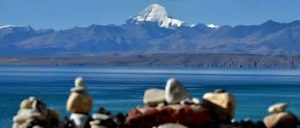
Lake Mansarovar: Just a short distance from Kailash Lake Mansarovar is one of the highest freshwater lakes in the world. It is considered a source of purity, and taking a ritual dip here is believed to cleanse one’s sins and bring peace to the soul. The serene beauty of the lake, surrounded by snow-capped mountains, is truly mesmerizing.
Sacred Sites: Along the journey, visitors will have the opportunity to explore other holy sites, such as the Tirthapuri hot springs, where pilgrims bathe to purify their spirits, and the ancient monasteries that are steeped in Tibetan Buddhist history.
Spiritual Experience: A Kailash Tour is not just about sightseeing; it is a deeply spiritual experience. The peaceful atmosphere, the sound of chanting monks, the rituals of pilgrims, and the overwhelming sense of devotion create an environment that encourages introspection and spiritual awakening.
Challenging Terrain: The journey to Kailash is physically demanding. It requires stamina and preparation, especially for the Kora trek around the mountain. With altitudes reaching over 5,000 meters, travelers should be prepared for high-altitude conditions, and acclimatization is essential.
Cultural Immersion: Throughout the tour, you will encounter Tibetan culture, from the warm hospitality of local people to the striking Tibetan monasteries and their centuries-old traditions. The journey offers an opportunity to witness a way of life that has remained largely untouched by modernity.
Unforgettable Views: Whether it’s the sweeping vistas of the Tibetan Plateau, the majestic presence of Mount Kailash, or the tranquil waters of Lake Mansarovar, the landscape on this journey is unparalleled. Every moment is an invitation to appreciate the untouched natural beauty of this remote and sacred land.
Best Time to Visit: The ideal months for a Kailash Tour are from late spring to early autumn (May to October). During this period, the weather is relatively mild, and the Kora trek becomes accessible. However, temperatures can still be cold, particularly at higher altitudes, so proper gear and preparations are essential.
Saga Dawa Festival in Tibet
The Saga Dawa Festival is one of the most sacred and important Buddhist festivals celebrated in Tibet. It commemorates the birth, enlightenment, and Mahaparinirvana (passing away) of Lord Buddha, making it a deeply spiritual occasion for pilgrims and devotees. Celebrated during the fourth month of the Tibetan lunar calendar, the festival attracts thousands of pilgrims to the holy region of Mount Kailash and Lake Manasarovar. The most significant event takes place at Tarboche near Mount Kailash, where devotees gather to witness the ceremonial raising of the giant prayer flag pole, accompanied by prayers, chanting, and religious rituals.
During Saga Dawa, pilgrims believe that performing good deeds, prayers, and the Kailash Kora brings multiplied spiritual merit and blessings. The atmosphere during the festival is vibrant, devotional, and spiritually uplifting, offering a unique cultural and religious experience in the heart of Tibet.
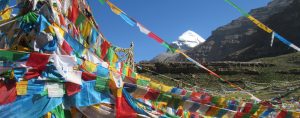
Why Choose the Kailash Pilgrimage Tour
Spiritual Journey: For those seeking a transformative and soul-enriching experience, the Kailash Tour offers a rare opportunity to engage with ancient spiritual practices and immerse oneself in the sacred landscapes of Tibet.
Adventure and Challenge: The trip offers not only spiritual enlightenment but also a physical challenge. The trek around Mount Kailash, combined with the high-altitude conditions, makes it an adventure for the brave at heart.
Rich History and Culture: Discover the deep history and cultural heritage of Tibet while exploring ancient monasteries, traditional Tibetan villages, and sacred sites along the route.
This remarkable journey to Kailash is an adventure of a lifetime, one that will stay with you long after you’ve left Tibet. Prepare to be moved, inspired, and forever changed by the sacred energies of Mount Kailash.
Essential Equipment for Kailash Pilgrimage Tour
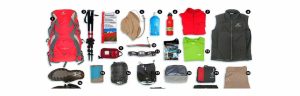
The Kailash Tour is a high-altitude spiritual journey that requires proper preparation and suitable equipment for safety and comfort. Pilgrims are advised to carry the following essential items:
⇒ Warm down jacket and windproof outerwear
⇒ Thermal innerwear and fleece jackets
⇒ Comfortable trekking pants and quick-dry clothing
⇒ Waterproof trekking shoes with good grip
⇒ Woolen socks, gloves, scarf, and warm cap
⇒ Sunglasses with UV protection and sunscreen lotion
⇒ Personal medicines and basic first-aid kit
⇒ Water bottle or thermos flask
⇒ Trekking pole/stick for support during Kora
⇒ Backpack or duffel bag for personal belongings
⇒ Headlamp/torch with extra batteries
⇒ Lip balm, moisturizer, wet wipes, and toiletries
⇒ Raincoat or poncho for unexpected weather
⇒ Energy bars, dry fruits, and light snacks
⇒ Passport, permits, and important travel documents
For additional safety during high-altitude travel, oxygen cylinders and portable Gamow Bags are generally arranged by the organizing team. Proper equipment and preparation will help ensure a safe, comfortable, and spiritually fulfilling Kailash Yatra experience.
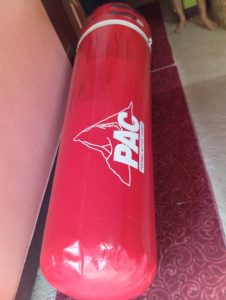
Gamow Bag (Portable) – Safety First
A Gamow Bag is a portable hyperbaric chamber used in high-altitude trekking and mountaineering to treat severe altitude sickness. It helps simulate lower altitude conditions by increasing air pressure inside the bag, providing temporary relief for symptoms of Acute Mountain Sickness (AMS). Lightweight and inflatable, it is essential safety equipment carried on expeditions in regions like the Tibet Kailash area, where rapid evacuation may not always be possible.
A portable Gamow Bag will be available during the journey as an important safety measure for high-altitude travel. It is designed to provide emergency support in case of altitude-related health concerns, ensuring added safety and comfort for pilgrims throughout the Yatra.
Porter & Horse Hiring During Kailash Pilgrimage Tour
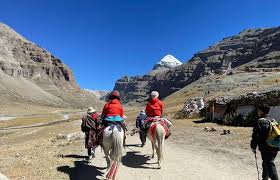
For the convenience and comfort of pilgrims during the Kailash Kora, porter and horse hiring services are available on request. Porters assist in carrying personal luggage, while horses can be hired for those who may require riding support during the trek. These services are especially helpful at high altitudes and during long trekking days, ensuring a safer and more comfortable pilgrimage experience.
Kailash Pilgrimage Tour Short Itinerary: 15 Days
Day 01: Arrival to Kathmandu (1310m). Group shall be met at the airport and transfer provided to Hotel by Himalayan Magic Treks overnight Hotel Royal Singi (4 Star) Or Similar category
Day 02: The day will be spent for the Visa application for the Kailash journey with the China Visa Centre in Kathmandu. Overnight Hotel Royal Singi (4 Star) Or Similar category
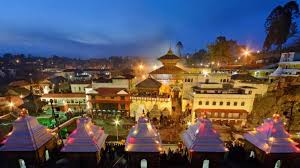
Day 03: Darshan of Pashupatinath Temple & Sleeping Vishnu at Budhanilkantha. The day is free for final preparation of the Yatra. Overnight Hotel Royal Singi (4 Star) Or Similar category
Day 04: Sightseeing Tour of Patan Durbar Square with visit to Krishna Mandir & the Patan Museum, overnight Hotel Royal Singi (4 Star) Or Similar category
Day 05: After breakfast, drive from Kathmandu to Timure by Bus. (140 kms / 7 hours), Overnight at Hotel River View or Similar Category
Day 06: Early morning cross over to China border. Proceed to Kerung. (2800m /26kms, 1 ½ hrs) Pilgrims Inn at Kerung Or Similar
Day 07: Drive to SAGA. (4600m / 240 Kms, 4-5 Hours) overnight at Hotel Saga or Similar
Day 08: Spend the day at Saga for acclimatization. Overnight at Hotel Saga or Similar
Day 09: Drive to Lake Manasarovar (4560m) with the Parikarma of the Lake (478km/ 9hrs). Parmath Ashram or Similar Category
Day 10: AM Stay at Lake Manasarovar for Puja & Havan, PM Drive to Darchen. (4670m /40km, 1 ½ hours) Kailash Himalaya Hotel or Similar Category
Day 11: Drive to Yam Dwar , Trek starting point for Kailash Kora. Trek to Dirapuk. (4860m/15 Kms, / 7-8 Hrs) overnight at Hotel Dirapuk
Day 12: Trek to Zhuthulpuk. (4760m /18 Kms, 10-12 Hrs) overnight at Hotel Zhuthulpuk
Day 13: End Kailas Kora. Drive to Saga (4600m). Hotel Saga or Similar CategoryDay 14: Drive to Kerung (2800m) and cross over to Nepal side. Continue your journey to Kathmandu by Jeep. Overnight Hotel Royal Singi (4 Star) Or Similar category
Day 15: Departure to airport for your onward destination
The Kailash Tour is undoubtedly a physically demanding and challenging journey, especially due to the high-altitude terrain and the spiritual significance of the trek. Here’s an overview of the difficulty level:
Key Factors Contributing to Difficulty level of Kailash:
⇒ Mount Kailash 6,638 meters (21,778 feet), and the surrounding areas of the tour, including the Kora trek around the mountain, reach altitudes of 4,500 to 5,600 meters (14,800 to 18,400 feet).
⇒ This high altitude can cause altitude sickness (AMS) due to lower oxygen levels. Travelers need to be prepared for symptoms such as headaches, dizziness, and nausea, especially if they haven’t acclimatized properly.
⇒ The Mt Kailash Kora (circumambulation) around Mount Kailash is a 52-kilometer (32-mile) trek that takes around 3 days to complete.
⇒ The terrain varies from steep uphill climbs to rocky paths, with sections that require physical stamina and endurance. The Dolma La Pass (5,630 meters / 18,470 feet) is the highest point of the trek and is considered particularly challenging due to the thin air and steep ascent.
⇒ The weather in Tibet can be unpredictable. Even in the warmer months (May to October), the temperatures at high altitudes can drop significantly, especially at night. Freezing temperatures, strong winds, and occasional snowfall can add to the difficulty.
⇒ Be prepared for a wide range of temperatures and weather conditions, including harsh sun, cold winds, and rain.
⇒ While the trek is not considered a technical climb (no need for mountaineering skills), it is still physically demanding. The terrain can be rough, and walking at high altitude requires good stamina and strength.
⇒ Travelers should be in reasonably good physical shape, as the trek involves long days of walking, often in less-than-ideal conditions.
⇒ Along the Kora and the journey to Kailash, the infrastructure is basic, with limited access to medical facilities, and accommodations such as tents or simple guesthouses. It is essential to be mentally prepared for basic living conditions and long stretches without modern amenities.
⇒ Acclimatization: Spending a few days at lower altitudes before starting the Kora trek to allow your body to adjust to the altitude is crucial. This will help reduce the risk of altitude sickness.
⇒ Physical Preparation: It’s recommended to engage in cardio exercises like hiking, walking, and stair climbing to build endurance and stamina before the trip.
⇒ Hydration & Nutrition: Staying hydrated and consuming high-energy foods is essential during the trek, as dehydration and lack of nutrition can worsen the effects of altitude sickness.
⇒ Trekking Gear: Proper gear, including hiking boots, warm clothing, sun protection, and a walking stick, is critical to making the trek more manageable.
⇒ While the Kailash Tour is accessible to most travelers with a moderate level of fitness, it’s important to recognize the physical, mental, and spiritual challenge involved in this journey. The trek is ideal for those who seek a challenging adventure combined with a deeply spiritual experience. Proper preparation and a positive, patient attitude are essential to completing the journey safely and successfully.
The cost of a Kailash Tour can vary depending on several factors, such as the tour operator, the type of package, the duration of the trip, the level of comfort, and the services included. On average, a guided Kailash tour can range from $2,500 to $6,000 or more per person.
Kailash Pilgrimage Tour Package Types:
⇒ Standard Tours: These tours typically include basic services like group transportation, simple accommodations (guesthouses or tents), and meals. The cost for a standard package is generally $2,500 to $3,500 per person.
o Luxury Tours: For those seeking more comfort, luxury tours include better accommodations, private transport, and higher-end services such as higher-quality meals and guides. Prices for luxury tours can range from $4,000 to $6,000 per person.
⇒ Customized Private Tours: Some travelers prefer tailor-made, private tours for a more personal experience. These packages can cost anywhere from $5,000 to $8,000 or higher, depending on the level of customization and additional services.
⇒ Duration of the Tour: The typical Kailash pilgrimage lasts 10 to 14 days, including travel to and from Tibet, acclimatization, the Kora trek, visits to nearby sacred sites, and some rest days. Longer tours or those with additional services will naturally cost more.
⇒ Group Size: Group tours are usually more affordable compared to private tours. A group tour (of 10 or more people) can lower the cost per person. Smaller groups or private tours will generally increase the cost due to personalized services and fewer participants sharing the cost of logistics.
⇒ Meals: Meals on the trek (usually simple Tibetan or Chinese food), as well as meals at local guesthouses or restaurants, are often included in the tour cost.
⇒ Guides and Permits: The cost will include the services of a qualified guide (often a Tibetan guide) and necessary permits for Tibet and the Kailash area. Special permits are required for travel to Mount Kailash, and these are typically arranged by the tour operator.
⇒ Porters: For the Kora trek, some tours include porters to help carry personal belongings.
⇒ Visas and Permits: Travelers need a Tibet Travel Permit, Chinese Visa, and sometimes a Kailash Pilgrimage ⇒Permit. These permits can cost between $100 to $300, depending on your nationality and the requirements.
⇒ Flights: Flights to Tibet (from Nepal or China) are not always included in the base price. A round-trip flight from Kathmandu (Nepal) to Lhasa (Tibet) may cost around $300 to $500.
⇒ Prices can fluctuate depending on the time of year. The peak season (May to September) often sees higher prices due to higher demand. The off-season may offer slightly lower rates, though some services might be limited.
⇒ Group Tour (Standard): $2,500 – $3,500 per person
⇒ Private Tour: $5,000 – $8,000 per person
⇒ Luxury Tour: $4,000 – $6,000 per person
⇒ Permits & Visas: $100 – $300 (varies by nationality)
Kailash Mansarovar Yatra for Indian or non Indian Pilgrims – Overland Route Guide
Embarking on the Kailash Mansarovar Yatra is a journey unlike any other. For Indian or non Indian pilgrims, this sacred trip combines spiritual devotion, breathtaking landscapes, and the thrill of adventure in the remote Himalayas. If you’ve been dreaming of standing at the foot of Mount Kailash, taking a holy dip in Lake Mansarovar, or completing the revered Kora (circumambulation), this guide is your starting point, we’ll walk you through the overland route for Indian pilgrims, practical tips, essential preparations, and insights from experienced guides. Whether you are a first-time pilgrim or a seasoned traveler, you’ll find this guide invaluable.
Why Choose the Overland Route for Kailash Mansarovar
For Indian pilgrims, there are primarily two ways to reach Kailash: by air and by road. While the helicopter and flight options save time, the overland route offers unmatched experiences, letting you truly soak in the Himalayas, meet local communities, and feel the spiritual ambiance of this sacred region.
The overland route usually starts from India’s northern borders, traveling through Nepal and Tibet, winding past high-altitude passes, sacred rivers, and ancient monasteries. You’ll experience:
→ Stunning views of the Himalayan peaks
→ Authentic local Tibetan and Nepali culture
→ The meditative journey through remote landscapes
Permits and Documentation for Indian Pilgrims
Travel to Kailash requires official permits due to its location in Tibet (China). Indian pilgrims must obtain:
1. Tibet Travel Permit (TTP): Issued by Chinese authorities.
2. Alien Travel Permit: Required for some restricted areas in Tibet.
3. Group Pilgrimage Registration: Indian citizens must travel in groups organized by registered agencies.
Himalayan Magic Treks handles all permit arrangements for Indian pilgrims, ensuring a stress-free journey.
Why Choose Himalayan Magic Treks for Your Kailash Journey
With 15+ years of experience, we specialize in tailored Indian or non Indian pilgrim packages for the Kailash Mansarovar Yatra. Our services include:
• Complete permit handling and documentation
• Experienced local guides and drivers
• Safe vehicles suitable for high-altitude terrain
• Customized accommodation and meal plans
• Detailed preparation guidance and checklists
1. Book Early: Permits and accommodation fill up quickly during peak seasons
2. Travel Insurance: Ensure coverage for high-altitude travel
3. Health Check: Get a full medical check-up and consult a doctor about altitude adaptation
4. Cultural Etiquette: Respect local customs, monasteries, and prayer sites
5. Pack Smart: Light, durable luggage with essentials only
The Kailash Mansarovar Yatra is a journey of devotion, discovery, and personal transformation. By taking the overland route, Indian pilgrims can fully immerse in the spiritual, cultural, and natural beauty of Tibet and Nepal. Proper preparation, a trusted guide, and the right mindset ensure a safe, fulfilling, and life-changing pilgrimage.
Begin your sacred journey today with Himalayan Magic Treks and experience the magic of Kailash and Mansarovar like never before. Plan your Kailash Mansarovar Yatra now! Contact Himalayan Magic Treks to book your overland pilgrimage and make your spiritual dream a reality. Imagine standing on the edge of one of the world’s most sacred landscapes: Mount Kailash, a peak revered by Hindus, Buddhists, Jains, and Bon followers for thousands of years. The shimmering waters of Lake Mansarovar stretch before you, reflecting snow-capped mountains in perfect silence. This is not just a journey—it’s a spiritual pilgrimage, a test of endurance, and one of the most extraordinary overland expeditions on Earth. But before you set foot on this once-in-a-lifetime adventure, one crucial question arises: What should you pack for the Mt Kailash Mansarovar Overland Expedition?
Packing wisely can mean the difference between a smooth, rewarding pilgrimage and an uncomfortable struggle. In this guide, we’ll walk you through the essential packing list, insider tips, and local insights to make sure you’re fully prepared for the journey. Whether you’re traveling as a pilgrim, trekker, or adventurer, you’ll find everything you need right here.
Why Packing Matters for the Kailash Mansarovar Journey
The Kailash Tour is unlike any other trip in the Himalayas. Unlike typical treks in Nepal, this expedition involves long overland drives through the Tibetan Plateau, high-altitude conditions, and the demanding Kailash Parikrama (Kora) a three-day circuit around the sacred mountain at altitudes above 4,500 meters. The weather is unpredictable, ranging from intense sunshine to freezing winds, often within the same day. There are limited shops and facilities along the way, so what you pack in Nepal will be your lifeline throughout the expedition.
The Ultimate Packing List for Mt Kailash Mansarovar Overland Expedition
1. Essential Travel Documents
Before thinking about gear, ensure your paperwork is complete. You won’t get far without these essentials:
→ Valid Passport (minimum 6 months validity)
→ Chinese Visa & Tibet Travel Permit (arranged by Himalayan Magic Treks)
→ Kailash Mansarovar Permit (required for the region)
→ Travel & Medical Insurance (covering high-altitude trekking and evacuation)
→ Passport Photocopies (for checkpoints)
→ Cash in USD & small notes (ATMs are rare in Tibet)
2. Clothing: Layering is Everything
The secret to staying comfortable is layering, which lets you adjust quickly as the weather shifts.
→ Base Layer: Thermal tops and bottoms (lightweight, moisture-wicking)
→ Insulating Layer: Fleece jacket or down jacket
→ Outer Layer: Waterproof, windproof shell jacket and pants
→ Casual Clothing: Comfortable trousers, shirts, and warm sweaters for evenings
→ Headwear: Warm woolen hat + sun hat/cap
→ Gloves: Thermal inner gloves + waterproof outer gloves
→ Scarves/Buff: For dust, cold, and wind protection
→ Socks: Several pairs of warm, breathable trekking socks
→ Tip from our guides: Even in June and July, mornings can drop below freezing. Always carry a down jacket in your daypack during the Kora.
3. Footwear: Protect Your Feet
Your feet will carry you through rough terrain, so quality shoes are non-negotiable.
• Trekking Boots: Sturdy, waterproof, broken-in boots with good ankle support
• Camp Shoes: Lightweight sandals or sneakers for evenings
• Thermal Insoles: Useful for cold nights
4. Sleeping Gear
→ Sleeping Bag (–10°C to –15°C): Nights near Lake Mansarovar can be icy cold
→ Sleeping Bag Liner: Adds warmth and hygiene
→ Inflatable Pillow: For comfort during long drives and nights in guesthouses
5. Daypack & Duffel
→ Duffel Bag (80L–100L): Carried by support vehicles
→ Daypack (30L–40L): For essentials during daily walks and the Kora
→ Rain Cover: Protects your pack from sudden showers
6. Health & Personal Care
The high-altitude environment demands extra care.
→ First Aid Kit (with Diamox, pain relievers, band-aids, blister pads)
→ Water Purification Tablets (safe drinking water is limited)
→ Sunscreen (SPF 50+) & Lip Balm
→ Moisturizer & Wet Wipes (dry Tibetan climate can crack skin)
→ Hand Sanitizer
→ Toilet Paper & Biodegradable Bags (basic toilets en route)
7. Trekking Essentials
→ Walking Poles: Essential for steep descents during the Kora
→ Headlamp: With spare batteries
→ Reusable Water Bottles / Hydration Bladder
→ Energy Snacks: Nuts, chocolate, protein bars (limited availability in Tibet)
→ Sunglasses (UV400): The sun is intense at 4,500m+
8. Electronics & Extras
→ Power Bank (20,000mAh or higher)
→ Universal Travel Adapter
→ Camera/Smartphone (with extra memory cards)
→ Binoculars (for spotting distant peaks and wildlife)
→ Travel Journal & Pen
Packing Tips from Local Experts
⇒ Travel Light but Smart, Every extra kilo feels heavier at high altitude. Prioritize essentials and avoid overpacking.
⇒ Think Altitude At 4,500m+, oxygen levels are low. Carry hydration packs, ORS (oral rehydration salts), and energy gels to maintain stamina.
⇒ Respect the Sacred Landscape, Mt Kailash and Lake Mansarovar are holy sites. Avoid plastic waste, carry reusable bottles, and be mindful of local customs.
⇒ Season Matters May–September is the best time for the Kailash Tour. Pack accordingly: May/Sept → colder nights, extra thermals June–Aug → occasional rain, waterproof gear
What Not to Pack
⇒ Heavy fashion clothing (unnecessary and impractical)
⇒ Alcohol or tobacco (restricted in Tibet)
⇒ Excess electronics (charging is limited)
⇒ Disposable plastics (discouraged for environmental reasons)
Kailash Tour Detailed Itinerary: 15 Days
Day 01: Arrival in Kathmandu (1310m), Upon arrival at Tribhuvan International Airport, the group will be warmly received and transferred to the hotel by Himalayan Magic Treks. Check-in and rest at Hotel Shambala Boutique (4-star) or a similar category hotel overnight stay with Breakfast

Day 02: Visa Application in Kathmandu
Today will be dedicated to the visa application process for the Kailash journey at the China Visa Centre in Kathmandu. After completing the necessary formalities, the group will return to the hotel for rest and relaxation. Overnight stay at Hotel Shambala Boutique (4-star) or a similar category with Breakfast
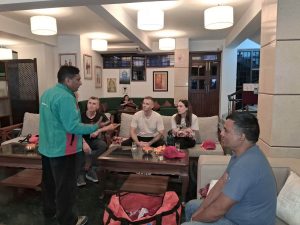
Day 03: Spiritual Darshan & Preparation for Yatra
Today, the group will visit the sacred Pashupatinath Temple for darshan, followed by a visit to the iconic Budhanilkantha (Sleeping Vishnu). The rest of the day is kept free for final preparations and arrangements for the upcoming Yatra. Overnight stay at Hotel Shambala Boutique (4-star) or a similar category with Breakfast
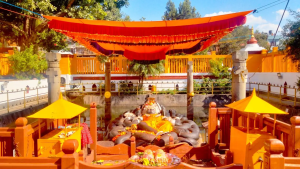
Day 04: Drive to Timure (140 km / approx. 7 hours)
After breakfast, the journey continues with a scenic drive from Kathmandu to Timure by Jeep, covering approximately 140 km in about 7 hours. Upon arrival, check in and rest at Hotel River View or a similar category accommodation. Overnight stay in Timure
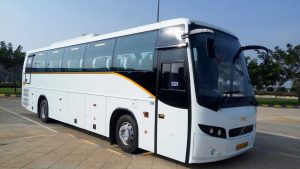
Day 05: Border Crossing to Kerung (2800m / 26 km / approx. 1.5 hrs)
Early in the morning, the group will cross over to the China border formalities and proceed towards Kerung. Upon completion of immigration and customs procedures, continue the short drive to Kerung. Check in at Pilgrims Inn or a similar category hotel for overnight stay.
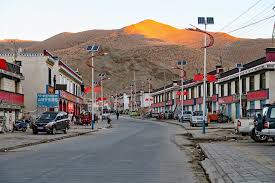
Day 06: Drive to Saga (4600m / 240 km / approx. 4–5 hours)
After breakfast, drive through the vast Tibetan landscape towards Saga, enjoying the stunning views along the way. Upon arrival, check in at Hotel Saga or a similar category accommodation. Rest and acclimatize at this high altitude. Overnight stay in Saga
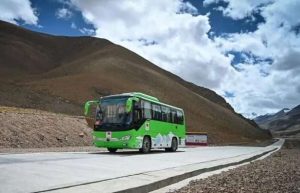
Day 07: Acclimatization Day in Saga
Today is reserved for acclimatization at Saga to help the body adjust to the higher altitude. The day is free for rest and light activities to ensure proper adaptation before continuing the journey. Overnight stay at Hotel Saga or similar category.

Day 08: Drive to Lake Manasarovar & Parikrama (4560m / approx. 478 km / 9 hours)
After an early breakfast, drive towards the sacred Lake Manasarovar, enjoying the breathtaking Tibetan plateau en route. Upon arrival, perform the holy parikrama of the lake and soak in its spiritual serenity.Overnight stay at Parmath Ashram or a similar category accommodation.
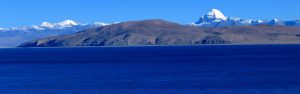
Day 09: Lake Manasarovar Puja & Drive to Darchen (4670m / 40 km / approx. 1.5 hours)
In the morning, spend sacred time at Lake Manasarovar for Puja and Havan, experiencing its deep spiritual significance. In the afternoon, drive to Darchen, the base town of Mount Kailash. Overnight stay at Kailash Himalaya Hotel or a similar category accommodation.
Day 10: Drive to Yam Dwar & Trek to Dirapuk (4860m / 15 km / approx. 7–8 hrs)
Early morning drive to Yam Dwar, the starting point of the sacred Kailash Kora. Begin the trek towards Dirapuk, enjoying the spiritual and dramatic landscapes of the region with views of Mount Kailash along the route. Overnight stay at Hotel Dirapuk.
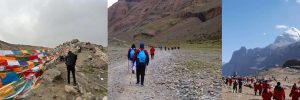
Day 11: Trek to Zhuthulpuk (4760m / 18 km / approx. 10–12 hrs)
Today, continue the sacred Kora with a long and challenging trek towards Zhuthulpuk. The trail offers stunning high-altitude scenery and spiritual significance throughout the journey. Upon arrival, check in at Hotel Zhuthulpuk for an overnight stay and rest.
Day 12: Completion of Kailash Kora & Drive to Saga (4600m)
After completing the sacred Kora at Zhuthulpuk, the journey concludes with a drive back to Saga. Enjoy the changing landscapes of the Tibetan plateau en route. Overnight stay at Hotel Saga or a similar category accommodation.
Day 13: Drive back to Kyirung (Kerung)
After completing the journey, drive back to Kyirung (Kerung) through the scenic Himalayan route. Upon arrival, check in at the hotel and rest. Overnight stay at a hotel in Kerung
Day 14: Drive from Kerung to Kathmandu (2800m)
After breakfast, drive from Kerung to Kathamndu and complete immigration formalities before crossing back into Nepal. Continue the journey by Jeep towards Kathmandu through scenic mountain roads. Upon arrival, check in at Hotel Shambala Boutique (4-star) or a similar category hotel for an overnight stay in Kathmandu.
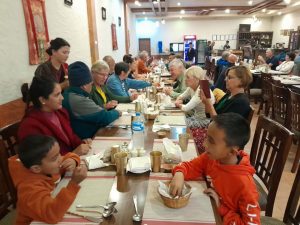
Day 15: Departure from Kathmandu,
After breakfast, transfer to Tribhuvan International Airport for your onward journey, carrying memorable experiences and blessings from the sacred Yatra.

nabinkarki
A Himalayan travel contributor sharing destination guidance, local insight and practical planning advice.
Traveler Comments