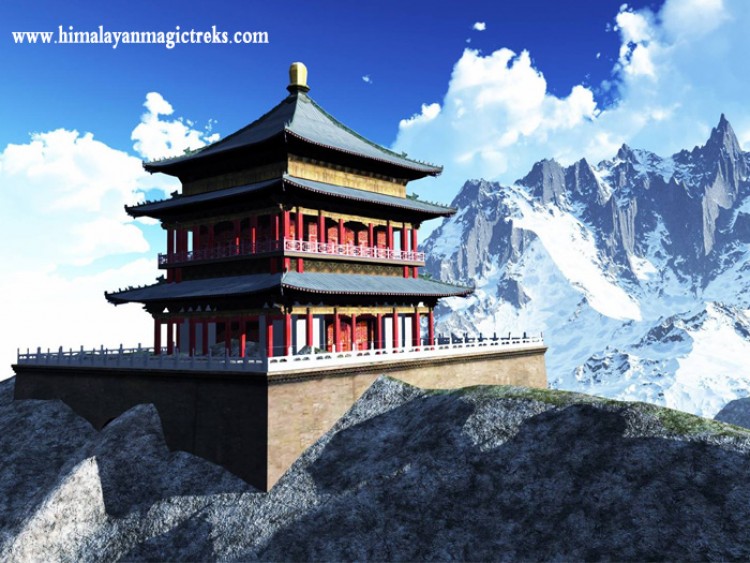
The Snowman Trek is one of the most challenging and scenic trekking routes in Bhutan, and it is often considered one of the most difficult treks in the world. The trek takes you deep into the remote regions of Bhutan, offering a unique opportunity to experience the country's pristine landscapes, traditional villages, and high-altitude environments. Here's everything you need to know about the Bhutan Snowman Trek:
The best time to attempt the Snowman Trek is between late March and early May or September to November. The weather is generally clear and dry during these months, making trekking conditions more favorable.
The Bhutan Snowman Trek is a once-in-a-lifetime adventure that offers a unique combination of cultural experiences, scenic beauty, and physical challenge. While it’s a tough trek suited for experienced trekkers, the rewards are immense, from breathtaking Himalayan views to encounters with remote villages and the unspoiled natural beauty of Bhutan. If you’re up for a challenging journey, the Snowman Trek will be an unforgettable experience.
Day 01: Arrival at Kathmandu airport welcome program by Himalayan Magic Treks member and direct transfer to hotel on Bed & Breakfast
Day 02: Arrival at Paro International Airport. Explore Paro’s famous landmarks like Paro Taktsang (Tiger's Nest Monastery) and Rinpung Dzong. Overnight stay in Paro Hotel Zhingkham Resort
Day 03: Paro to Thimphu Drive to Thimphu (1.5-2 hours). Visit Simtokha Dzong and National Memorial Chorten. Explore the Thimphu city center and the Handicrafts Market. Evening visit to Tashichho Dzong for the start of the festival, Overnight stay in Thimphu Hotel Druk
Day 04: Trek to Tiger's Nest - 5 to 6 hours (9km) trek overnight Hotel
Day 05: Trek from Drugyal Dzong to Shana - 5 to 6 hours (17km) trek overnight Camping
Day 06: Trek from Sharna Zampa to Thangthangkha (3,610m) - 7 to 8 hours (22km) trek overnight Camping
Day 07: Trek from Thangthangkha to Jangothang (4,080m) - 5 to 6 hours (19km) trek overnight Camping
Day 08: Rest Day in Jangothang (4,080 m) overnight Camping
Day 09: Trek from Jangothang to Lingshi (4,010m) - 6 to 7 hours (18km) trek overnight Camping
Day 10: Trek from Lingshi to Chebisa (3,880m) - 5 to 6 hours (12km) trek overnight Camping
Day 11: Trek from Chebisa to Shomuthang (4,220m) - 6 to 7 hours (17km) trek overnight Camping
Day 12: Trek from Shomuthang to Robluthang (4,160m) - 6 to 7 hours (18km) trek overnight Camping
Day 13: Trek from Robluthang to Limithang (4,140m) - 6 to 7 hours (19km) trek overnight Camping
Day 14: Trek from Limithang to Laya (3,850m) - 4 to 5 hours (10km) trek overnight Guest House or Camping
Day 15: Rest Day in Laya (3,850m) overnight Guest House or Camping
Day 16: Trek from Laya to Rhoduphu (4,160m) - 7 to 8 hours (19km) trek overnight Camping
Day 17: Trek from Rhoduphu to Narethang (4,900m) - 5 to 6 hours (17km) trek overnight Camping
Day 18: Trek from Narethang to Tarina (4,350m) - 6 to 7 hours (18km) trek overnight Camping
Day 19: Trek from Tarina to Woche (4,350m) - 6 to 7 hours (17km) trek overnight Camping
Day 20: Trek from Woche to Lhedi (4,200m) - 6 to 7 hours (17km) trek overnight Camping
Day 21: Trek from Lhedi to Thanza (4,150m) - 7 to 8 hours (17km) trek overnight Camping
Day 22: Rest Day in Thanza (4,150m) overnight Camping
Day 23: Trek from Thanza to Tshochena (5,000m) - 7 to 8 hours (18km) overnight Camping
Day 24: Trek from Tshochena to Jichu Dramo (5,050m) - 4 to 5 hours (14km) trek overnight Camping
Day 25: Trek from Jichu Dramo to Chukarpo (4,600m) - 5 to 6 hours (16km) trek overnight Camping
Day 26: Trek from Chukarpo to Thampe Tsho (4,300m) - 6 to 7 hours (18km) trek overnight Camping
Day 27: Trek from Thampe Tsho to Maurothang (3,610m) - 5 to 6 hours (16km) trek overnight Camping
Day 28: Trek from Maurothang to Sephu (2,650m) and drive to Gangtey overnight Camping
Day 29: Drive from Gangtey to Thimphu - 3 to 4 hours (135km) overnight Hotel
Day 30: Departure from Thimpu - 1:30 hours (55km) drive Paro airport to Kathmandu transfer to Hotel with Breakfast
Day 31: Departure to the airport for onward destination to return
The Trip cost will vary depending on the group size duration of days and Services required please contact us via our Email:himalayanmagictreks3@gmail.com with your Details to obtain a quote.
Upon your arrival at the airport our representatives person with a Himalayan Magic Treks (LOGO) sign board, to show you on your arrival exit gate. Who taking care of you with reception then safely drive to the hotel, Briefing about program details before going to Mountains. At the airport we cannot enter the interior of the airport because a person who doesn’t have a plane ticket is not allowed to enter.
We give our first priority to serve the customers with the most standard level. As for the accommodation, we have been providing star hotels in Kathmandu and even Mountain guest houses during the trek according to their need and requirement. We provide convenient Guest House with sound environment and hygienic foods for the guest to make healthy their trip. Everest region is popular and has wonderful accommodation facility compared to the condition of elderly times.
We get a paradise of delicious food in Kathmandu valley. We have a lot of restaurants with different cuisine in city but during the Lodge trek we get to eat Continental, Indian and Nepali menu choices like Pasta, Pizza, Mo: Mo, Soup, Dal Bhat, Hot drinks Tea & Coffee etc. Our Guide (Leader) will manage and advice the Food for beloved Guests to be satisfy
Being homeland of Himalayas, it’s obvious to have challenging routes, dangerous weather, health issues; any of these situations is enough to ruin your trip. Leading around the steeply hills and rocky routes is not a job of common climbers and trekkers Himalayan Magic Treks have been providing native leaders and staffs working in this field perfectly since many years to overcome tough challenges and make your trip a golden memory. Our Guides are trained and well certified by the Government of Nepal. Our staffs have received proper emergency guidance and evacuation education in the Himalayas. They are also entirely aware of correct knowledge of first aid to the victims. We have never and will never compromise on the safety to our clients; therefore, we provide insurance and medical services during the trek and compensation when they needs.
To pass through challenging routes and to ensure your safety and comfort, we need adequate number of staffs. It includes guide, porter, driver, assistant guide and so on. We provide guide in every trip while one assistant guide to every 4-9 group of guests and two with every 10 crew. As for the porters, we send 1 porter for every 2 guest. The number of porter also varies to the load of the clients; a porter’s maximum load is 25 kg. Our staffs are professional and expert guides (leader) who can speak languages like English, French, Germany, Italian, Spanish, Chinese, Japanese, Korean and other as required. We can also manage any other staffs as per your demands.
Equipment does matter to make your trip comfortable and better so you must be serious about check list before going to trek. We advice to take general equipment for the trek click here on link about equipment lists
Security is our primary concern from your first day you will be under our service and protection. Our staff will pick you up at the airport and will assist you to your hotel. We have proper remedial services during the trek with professional staffs and services like first aid, and we will help to arrange oxygen bag and helicopter service for emergency rescue. We also focus on acclimatization days to get rid of altitude sickness. We will take care of you on arrival to till on in your final departure date (airport drop services)
Autumn (September - November) and spring (March - May) is the best season for trekking and mountaineering in Nepal. Weather is mostly clear and temperature is moderate in these seasons which offer beautiful views without any obstruction. Spring grants you beautiful flowers, plants and rare animals. Walking is favorable during these seasons. Summer (June - August) and winter (December - February). Though summer has heavy monsoon rainfall, it is very much clearer to trek around Upper Mustang Trek, Upper Dolpo Trek and Nar Phu Valley Trek since they are rain shadow area Everest Base Camp Trek, Langtang Valley Trek , Annapurna Base Camp Trek, Rara Lake Trek, Kanchenjunga Trek, Dhaulagiri Circuit Trek, Manaslu Circuit Trek as well as Pikey peak Trek are always better to trek in winter season.
Trekking can be challenging and exhausting. So you might need some fitness training and experience for some tough trial. Nepal Trekking in Everest Base Camp does not require past experience or extreme fitness even though we have more challenging routes in different region compared to that of Everest. Trekking in Himalayas always takes us to challenging altitudes and rocky routes. You could ask for proper rest time and acclimatization to sustain your strength. Mountains can never be achieved in a day. We always provide the detail in our itinerary. However certain training like running, skipping and other workouts will definitely be beneficial in such challenging routes.
Altitude sickness is a major risk when trekking. You might experience it on any trails above 2,500 m however; good health, proper care and drinking plenty of water will definitely help you to prevent from altitude sickness. Every trekkers needs to be familiar with the heights and altitude so, for this we have life saving appropriate acclimatization days during the trek, We also provide certain medical support for your relief and emergency rescue through helicopter whenever the situation gets worse.
Our only goal in the Himalayas is to leave the memories and foot prints Himalayan Magic Treks is concerned on environment pollution issue and global warming. We are always serious and genuine about our garbage during the trek especially during camping. We collect the rubbish and dump it to the proper place to protect our environment and also appeal our clients to do the same. We partake in every program conducted in KEEP (Kathmandu Environmental Education Project) and other environmental conservation programs. We want to promote Safe environment act and stand against pollution & global warming.
Sometimes trekking in the Himalayan region passes through unexpected complication like natural calamity, health challenges and many other problems that might result to the changes of the itinerary. So, we kindly request you to cooperate with your guide and the team in such situation.
Response Time 0-2 Hours , Response Rate 100%
© 2011 - 2026 All rights reserved. Himalayan Magic Treks P.Ltd Developed By : Xenatech Nepal

 French