

 French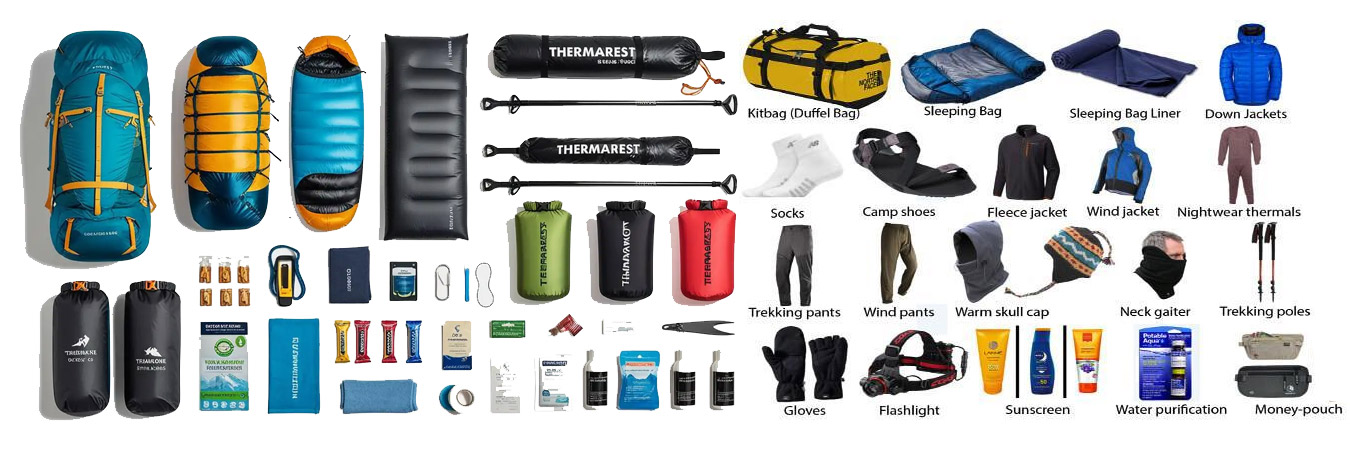
Table of Contents
14th Feb, 2026 by: Himalayan Magic Treks
Ultimate Equipment Checklist for 8000m Expeditions in Nepal
Introduction
Climbing an 8000m peak in Nepal is a dream for mountaineers worldwide, but it is also one of the most challenging and demanding endeavors in high-altitude mountaineering. The extreme conditions at these elevations, including sub-zero temperatures, strong winds, and thin air, make proper preparation not just important, but essential for safety and success.
Having the right equipment can mean the difference between reaching the summit and facing serious risks such as frostbite, altitude sickness, or exhaustion. Every layer of clothing, technical tool, and camping item is carefully chosen to support climbers in the harsh environment of Nepal’s world-famous peaks.
This comprehensive checklist is designed for mountaineers, climbers, and expedition guides preparing for 8000m expeditions in Nepal. Whether you are attempting Everest, Annapurna, or Manaslu, following this guide will help you pack efficiently, stay safe, and maximize your chances of a successful climb.
Clothing Essentials for 8000m Expeditions
Base Layers
Your base layer keeps you dry and regulates body temperature. Pack multiple sets for rotation:
-
Thermal tops (long-sleeve) – moisture-wicking, snug fit
-
Thermal bottoms (long underwear) – merino wool or synthetic
-
Lightweight trekking t-shirts – for lower altitudes or warm camp days
-
Thermal leggings – optional for extreme cold nights
Tips: Choose materials that dry quickly and avoid cotton. Have at least 2–3 sets to rotate.
Insulation Layers
These layers trap heat and provide warmth during rest and climbing:
-
Fleece jackets or pullovers – mid-weight for layering
-
Down jacket (full-suit or separate) – high-fill down for summit attempts
-
Synthetic insulated jacket – backup for wet conditions
-
Insulated pants – for high-altitude camp and summit
Tips: Layering is essential: base + fleece + down. Carry lightweight options to avoid overpacking.
Outer Shell
Your shell protects against wind, snow, and rain at high altitudes:
-
Waterproof/windproof jacket – Gore-Tex or similar material, hooded, adjustable cuffs
-
Waterproof/windproof pants – breathable, reinforced knees and seat
-
Softshell jacket/pants – optional for lower altitudes or trekking days
-
Rain poncho – lightweight emergency option
Tips: Test your shell gear for mobility and ventilation before expedition.
Extremities
Protecting your hands, feet, and face is critical:
-
Mountaineering gloves (2 pairs) – waterproof and insulated
-
Inner glove liners – thin for dexterity
-
Heavy mittens (summit) – for extreme cold
-
Thermal socks (3–4 pairs) – wool or synthetic, multiple thicknesses
-
Sock liners – prevent blisters
-
Balaclava/neck gaiter – full-face protection against wind
-
Ski mask or face mask – optional for extreme summit winds
-
Hat/beanie – fleece or wool
-
Sun hat/cap – for lower altitude trekking
Tips: Layer gloves for summit climbs; always keep spare socks and liners.
Footwear
High-quality boots and protection for feet:
-
High-altitude mountaineering boots – insulated, double or triple layer depending on season
-
Gaiters – tall, waterproof to keep snow and ice out
-
Crampons – compatible with your boots
-
Camp shoes / down slippers – lightweight for base camp comfort
Tips: Break in boots before expedition. Ensure crampons fit securely and practice walking with full gear.
Technical Gear for 8000m Expeditions
Climbing Equipment
Proper climbing gear is essential for safety and efficiency on glaciers, ice, and steep slopes. Bring the following:
-
Ice axe – for self-arrest and climbing steep icy terrain
-
Trekking poles – adjustable, lightweight, with snow baskets
-
Climbing harness – fit properly over layers and accommodate equipment
-
Carabiners – locking and non-locking for securing ropes and gear
-
Ascenders and descenders – for fixed ropes and glacier travel
Tips: Familiarize yourself with all climbing equipment before the expedition. Practice using ascenders and ice axes on smaller climbs.
Safety Gear
High-altitude expeditions carry inherent risks, so safety gear is critical:
-
Helmet – protect from falling rocks, ice, and equipment
-
Headlamp with extra batteries – essential for pre-dawn starts or emergencies
-
Avalanche beacon, probe, and shovel – necessary if crossing avalanche-prone areas
Tips: Always test your safety equipment in advance and carry spares of critical items like batteries.
Oxygen Systems (if required)
For peaks above 8,000 meters, supplemental oxygen may be necessary for summit attempts:
-
Oxygen bottles – lightweight, high-pressure cylinders
-
Mask and regulator – ensure proper fit and function
-
Guidelines for carrying oxygen – balance weight; plan usage for different altitudes; know emergency procedures
Tips: Train with oxygen systems before the expedition to understand flow rates and duration per bottle.
Camping & Sleeping Gear for 8000m Expeditions
High-Altitude Tent
A reliable tent is crucial for survival at extreme altitudes. Key features to consider:
-
Lightweight and compact – easy to carry during long ascents
-
Four-season design – able to withstand heavy snow, strong winds, and freezing temperatures
-
Durability – reinforced poles, high-quality zippers, and robust fabric
Recommended brands/models: MSR, The North Face, Hilleberg, Black Diamond. These are proven for high-altitude conditions.
Sleeping Bags and Pads
Quality sleeping gear ensures warmth and rest at base and high camps:
-
Extreme cold-rated sleeping bag – rated for temperatures below -30°C; down or synthetic fill
-
Insulating sleeping pad – provides thermal protection from freezing ground, reduces heat loss
-
Optional liner – adds warmth and keeps sleeping bag clean
Tips: Test your sleeping system before the expedition. Use pads with high R-value for insulation at extreme altitudes.
Cooking and Hydration
Proper nutrition and hydration are critical to performance and survival:
-
Portable stove and fuel – compact, reliable, and suitable for high-altitude conditions
-
Cookware – lightweight pots, utensils, and cups
-
Water bottles and hydration system – insulated to prevent freezing
-
Water purification – filters or chemical treatment for safe drinking water
Tips: Plan meals that are high in calories, lightweight, and easy to prepare. Hydrate frequently, even if not thirsty, to avoid altitude-related dehydration.
Personal Items & Accessories for 8000m Expeditions
Health & Hygiene
Maintaining personal health and hygiene is critical at high altitudes:
-
First aid kit – include bandages, antiseptics, blister treatment, painkillers, and altitude sickness medications
-
Prescription medications – carry sufficient supply for the entire expedition
-
Sunblock and lip balm – high SPF to protect against intense UV exposure at altitude
-
Wet wipes and toiletries – for personal cleanliness in remote camps
-
Toilet paper and sanitation supplies – biodegradable preferred for environmental care
Tips: Organize items in waterproof pouches and carry a small personal hygiene kit for daily use.
Navigation & Communication
Reliable navigation and communication equipment ensure safety and coordination:
-
Map and compass – always carry as a backup to electronic devices
-
GPS device – preloaded with route information
-
Satellite phone or walkie-talkies – for emergency communication in areas without mobile coverage
-
Emergency beacon (PLB or SPOT) – life-saving device in case of severe accidents or weather emergencies
Tips: Familiarize yourself with all devices before the expedition and keep batteries fully charged or insulated against cold.
Miscellaneous Essentials
Additional items improve comfort, convenience, and documentation:
-
Sunglasses or mountaineering goggles – UV protection and snow glare reduction
-
Trekking backpack and daypack – comfortable, adjustable, and capable of carrying essentials
-
Notebook and pen – for notes, logs, or personal records
-
Camera – to document your journey
-
Power banks and solar chargers – keep devices functional at high altitudes
Tips: Keep frequently used items in your daypack for easy access, and store electronics in insulated pouches to prevent freezing.
Food & Nutrition for 8000m Expeditions
Proper nutrition and hydration are critical for maintaining energy, stamina, and overall health at extreme altitudes. Climbers need high-calorie, easily digestible foods that provide sustained energy without adding excessive weight.
High-Calorie, Easy-to-Cook Food Items
-
Dehydrated meals – lightweight, easy to prepare with boiling water
-
Instant noodles, rice, and pasta – simple, quick-cooking staples
-
Freeze-dried vegetables – add vitamins and fiber
-
Nut butters – high in calories and healthy fats
Tips: Plan meals that are compact, calorie-dense, and require minimal cooking fuel. Rotate meals to prevent monotony.
Energy Bars, Gels, and Supplements
-
Energy bars – quick source of carbohydrates and protein during climbing
-
Energy gels – fast-digesting fuel for summit pushes
-
Electrolyte tablets or powders – prevent dehydration and maintain salt balance
-
Vitamin supplements – to support immunity and overall health
Tips: Carry enough portable snacks for long climbing days; consume regularly to avoid energy crashes.
Hydration and Electrolyte Management
-
Water bottles – insulated to prevent freezing
-
Hydration system – camelback or similar for easy access while climbing
-
Water purification – filters or chemical tablets for safe drinking water
-
Electrolyte drinks – to replace lost salts and maintain performance
Tips: Drink frequently even if you don’t feel thirsty, as dehydration can accelerate altitude sickness. Alternate between plain water and electrolyte solutions.
Pre-Expedition Checklist Tips
Proper planning and preparation before your 8000m expedition can make the difference between a smooth climb and unnecessary difficulties. This section helps climbers organize gear, test equipment, and prioritize essential items.
How to Organize and Pack Efficiently
-
Categorize gear – separate clothing, technical equipment, camping gear, and personal items
-
Use packing cubes or waterproof stuff sacks – keep items organized and protected from moisture
-
Label critical items – helps locate gear quickly in emergencies
-
Pack by usage frequency – items needed daily on top, rarely used items at the bottom
Tips: Keep a small daypack ready with summit essentials so you don’t need to unpack the main bag every day.
Gear Testing Before the Expedition
-
Test all climbing equipment – ice axes, harnesses, crampons, and ropes
-
Trial outdoor gear in cold conditions – jackets, gloves, boots, and tents
-
Check electronics – GPS, headlamps, communication devices, and batteries
-
Cook and hydrate with expedition stoves – ensure familiarity and reliability
Tips: Conduct at least one multi-day test trip at moderate altitude to evaluate performance of gear and clothing layers.
Weight Management and Prioritization
-
Weigh all items before packing – eliminate unnecessary items
-
Prioritize essential gear – safety, clothing, and navigation equipment come first
-
Consider shared items – some equipment (like stoves or tents) can be distributed among team members
-
Pack light but comprehensive – every extra kilogram matters at high altitude
Tips: Create a checklist and double-check before departure to ensure nothing critical is left behind.
Common Mistakes to Avoid in Gear Preparation
Proper gear selection and preparation are vital for a safe and successful 8000m expedition. Avoid these common pitfalls:
-
Overpacking vs. underpacking – Bringing too much gear adds unnecessary weight and fatigue, while underpacking can leave you unprepared for extreme conditions. Balance is key.
-
Ignoring acclimatization and high-altitude requirements – Gear alone cannot prevent altitude sickness. Ensure your clothing, sleeping systems, and oxygen strategies align with proper acclimatization schedules.
-
Choosing inappropriate gear for weather conditions – Using low-quality, non-waterproof, or poorly insulated equipment can lead to hypothermia, frostbite, or exposure. Always select high-altitude-rated items designed for extreme environments.
Tips: Regularly review your checklist, and if possible, get advice from experienced climbers or guides who know the peak-specific conditions.
Conclusion
Preparing for an 8000m expedition in Nepal requires careful planning, the right equipment, and attention to detail. From clothing and technical gear to personal items, nutrition, and hydration, every item serves a purpose in keeping climbers safe and performing at their best.
Final Safety Reminders:
-
Always test your gear before departure
-
Keep backup items for critical equipment
-
Monitor health and acclimatization throughout the climb
Encouragement: By following this comprehensive checklist and preparing meticulously, climbers can maximize their chances of a safe and successful summit. Double-check your gear, stay organized, and focus on safety and efficiency to make your 8000m expedition an unforgettable achievement.