Monsoon Treks in Nepal: Nepal is widely known for its spring and autumn trekking seasons, but the monsoon months from June to August offer a unique and rewarding trekking experience for adventurous travelers. Monsoon treks in Nepal showcase a different side of the Himalayas, with lush green landscapes, blooming wildflowers, cascading waterfalls, and fewer crowds on the trails. For trekkers seeking tranquility and a closer connection with nature, the monsoon season can be an excellent time to explore Nepal’s diverse mountain regions. During the monsoon, much of Nepal receives regular rainfall, especially in the central and eastern regions. However, several trekking destinations lie in rain-shadow areas that receive significantly less precipitation. These regions offer clear mountain views, dry trails, and comfortable trekking conditions even during the rainy season. Popular monsoon trekking destinations include the Upper Mustang Trek, Upper Dolpo Trek, Nar Phu Valley Trek, and the Annapurna Circuit’s rain-shadow sections.
One of the greatest advantages of trekking during the monsoon is the vibrant natural beauty. Hillsides turn emerald green, forests become alive with wildlife, and rivers and waterfalls flow at their fullest. The fresh mountain air and peaceful trails create an atmosphere that is often difficult to find during the busier trekking seasons. Trekkers also have the opportunity to experience local cultures, traditional villages, and Buddhist monasteries without the crowds.
Monsoon trekking does require additional preparation. Waterproof clothing, rain covers for backpacks, proper trekking boots, and quick-drying gear are essential. Trails in some areas may become muddy and slippery, and occasional flight delays can occur due to weather conditions. Hiring an experienced guide can help ensure a safer and more enjoyable journey.
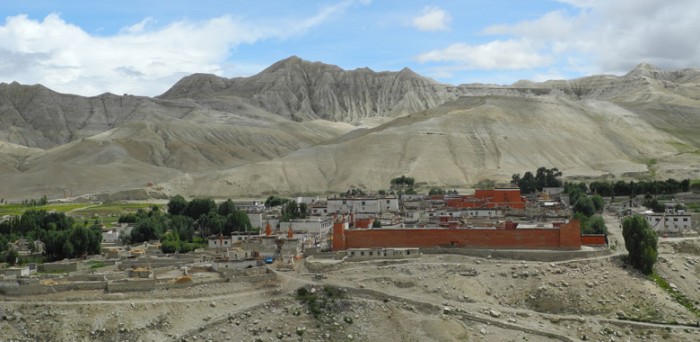
The Upper Mustang Trek is often considered the best monsoon trek in Nepal because the region lies north of the Himalayas and remains largely unaffected by seasonal rainfall. Trekkers can explore ancient caves, centuries-old monasteries, dramatic desert-like landscapes, and the unique culture of the former Kingdom of Lo. Similarly, Upper Dolpo offers remote wilderness, high mountain passes, and breathtaking scenery for those seeking an off-the-beaten-path adventure. For nature lovers, photographers, and travelers looking to avoid peak-season crowds, monsoon treks provide a distinctive Himalayan experience. The combination of lush landscapes, cultural encounters, and peaceful trails makes trekking in Nepal during the monsoon season surprisingly rewarding. Whether you choose the mystical valleys of Upper Mustang, the remote beauty of Dolpo, or other rain-shadow trekking routes, monsoon treks in Nepal offer unforgettable adventures in one of the world’s most spectacular mountain destinations such as Monsoon Treks in Nepal, Upper Mustang Trek, Upper Dolpo Trek, Nar Phu Valley Trek, rain-shadow trekking, and Himalayan trekking in Nepal.
Monsoon Treks in Nepal: A Complete Guide to an Underrated Adventure
When people think of trekking in Nepal, spring and autumn usually take center stage. However, the monsoon season (June to September) offers a unique and rewarding experience for those willing to embrace a bit of rain, lush landscapes, and quieter trails. Monsoon trekking isn’t for everyone but for the right kind of traveler, it can be magical.
Why Trek During the Monsoon
At first glance, trekking in the rainy season might seem like a bad idea. Heavy rainfall, muddy trails, and cloudy skies can sound discouraging. But look a little closer, and you’ll find several compelling reasons to go:
1. Lush Green Landscapes
The hills and forests of Nepal come alive during the monsoon. Terraced fields glow in vibrant shades of green, waterfalls cascade down hillsides, and the entire countryside feels refreshed and alive.
2. Fewer Crowds
Popular trekking routes are far less crowded compared to peak seasons. This means quieter trails, more peaceful teahouses, and a deeper connection with nature.
3. Cultural Encounters
Monsoon is a time of farming and local activity in rural Nepal. Trekkers get a chance to observe daily village life, rice planting, and traditional practices up close.
4. Unique Photography Opportunities
Misty hills, dramatic clouds, and rain-washed scenery create a mystical atmosphere perfect for photography.
Best Monsoon Trekking Regions
Not all trekking routes are ideal during the monsoon. The key is to choose areas that lie in the rain shadow or receive less rainfall.
⇒ Upper Mustang
This region lies beyond the Himalayas and receives very little rain. Its desert-like landscapes, ancient monasteries, and Tibetan-influenced culture make it one of the best monsoon trekking destinations.
⇒ Dolpo Region
Remote and untouched, Dolpo offers raw natural beauty and cultural richness. It’s perfect for experienced trekkers seeking solitude and adventure.
⇒ Nar Phu Valley
Located near Annapurna, this hidden valley is less affected by rain and offers dramatic scenery along with unique Tibetan culture.
⇒ Helambu and Shivapuri (Short Treks)
Closer to Kathmandu, these areas can be suitable for short monsoon hikes, especially if you plan flexible itineraries around weather conditions.
Challenges to Expect
Monsoon trekking comes with its own set of challenges, and being prepared is essential.
• Leeches: Common in forested areas carry salt or repellent.
• Slippery Trails: Good trekking shoes with strong grip are a must.
• Flight Delays: Weather can disrupt domestic flights, especially to remote regions.
• Limited Mountain Views: Clouds may block panoramic Himalayan vistas.
Essential Packing List
• Waterproof jacket and pants
• Quick-dry clothing
• Trekking boots with good traction
• Rain cover for backpack
• Insect repellent and leech socks
• Trekking poles for stability
• Extra socks and layers
Tips for a Successful Monsoon Trek
• Start Early Each Day: Mornings are usually clearer with less rain.
• Stay Flexible: Weather can change quickly build buffer days into your itinerary.
• Hire a Guide: Trails can be confusing and conditions unpredictable.
• Check Weather Updates: Stay informed to avoid risky situations.
Monsoon trekking in Nepal is not about clear skies and postcard-perfect mountain views. It’s about embracing nature in its raw, vibrant form. It’s quieter, greener, and deeply immersive. If you’re adventurous, flexible, and prepared, the monsoon season can reveal a side of Nepal that many travelers never see. For those who dare to step off the beaten seasonal path, monsoon trekking offers not just a journey through landscapes but through a richer, more intimate experience of Nepal itself.

Himalayan Magic Treks
A Himalayan travel contributor sharing destination guidance, local insight and practical planning advice.
Traveler Comments