
Introduction to 7000m Expeditions in Nepal
Nepal is home to some of the world’s most iconic high-altitude climbing destinations. Beyond the famous 8000m giants, the country offers a range of technically demanding and physically intense 7000-meter peaks that attract experienced mountaineers from around the world. These expeditions provide an advanced stepping stone toward extreme Himalayan climbing.
A 7000m expedition in Nepal is not simply an extended trek with minor technical sections. It is a full-scale mountaineering challenge that requires proper acclimatization, strong physical conditioning, technical climbing skills, and most importantly, the right equipment. At this altitude, minor gear mistakes can quickly escalate into serious safety risks. Before moving into the detailed equipment checklist, it is important to understand what makes these expeditions fundamentally different.
What Makes a 7000m Expedition Different from Lower Peaks?
Climbing a 7000m peak is significantly more demanding than trekking peaks below 6500 meters or high-altitude hiking routes.
At 7000 meters, oxygen levels are dramatically reduced. The human body operates under extreme stress, recovery slows down, and even basic tasks require considerably more effort. Climbers face prolonged exposure to freezing temperatures, strong winds, and unstable mountain conditions.
Most 7000m expeditions involve:
- Glacier crossings
- Fixed rope climbing
- Steep snow and ice sections
- Multiple high camp rotations
- Long summit pushes beginning at midnight
Summit day alone can take 10 to 15 hours in severe cold. This requires expedition-grade clothing systems, high-altitude double or triple boots, and specialized technical climbing hardware.
In many ways, preparation for a 7000m peak is closer to 8000m expedition standards than to trekking peak climbs.
Weather, Altitude and Terrain Challenges in Nepal
The Himalayan environment presents a combination of challenges that directly influence equipment requirements.
Extreme Cold
Temperatures on 7000m peaks can drop below minus 30 degrees Celsius, particularly during summit attempts. Wind chill can make conditions even harsher. Without proper insulation layers, down suits, and high-quality gloves, frostbite becomes a serious concern.
High-Altitude Exposure
At 7000 meters, oxygen availability is approximately 40 percent lower than at sea level. This affects:
- Decision-making ability
- Physical performance
- Coordination
- Reaction time
Climbers must use equipment that enhances efficiency and conserves energy under extreme physiological stress.
Technical Terrain
Many 7000m peaks in Nepal include:
- Crevassed glaciers
- Ice walls
- Snow ridges
- Mixed rock and ice sections
This terrain demands mountaineering boots compatible with crampons, ice axes suited for steep terrain, harnesses, ascenders, and reliable safety systems.
The combination of altitude, cold temperatures, and technical terrain makes proper gear selection essential rather than optional.
Why Proper Equipment is Critical for Safety and Success
On a 7000m expedition, equipment is not about convenience. It is directly linked to survival, performance, and summit success.
Proper gear provides:
- Protection against frostbite and hypothermia
- Secure movement on snow and ice
- Efficient energy management at high altitude
- Reliable performance in extreme weather
- Reduced risk during summit push
Inadequate boots can lead to frozen toes. Insufficient gloves can result in frostbite within minutes. Poor-quality insulation can compromise the entire expedition.
High-altitude climbing requires reliability and redundancy. Backup gloves, spare headlamp batteries, properly tested layering systems, and durable technical hardware are critical components of safe expedition planning.
A carefully prepared equipment checklist significantly reduces risk, enhances performance, and increases the likelihood of reaching the summit safely.
Understanding the Environment of 7000m Peaks in Nepal
Climbing a 7000m peak in Nepal means entering one of the most demanding natural environments on earth. The Himalayan region combines extreme altitude, unpredictable weather systems, glaciated terrain, and prolonged exposure to cold conditions. Unlike lower-altitude trekking routes, these peaks require climbers to function efficiently in a high-risk alpine setting for several weeks.
Environmental awareness is not optional. It directly determines how you select your clothing system, technical gear, sleeping equipment, and safety backup items. Every piece of equipment must be chosen with these mountain realities in mind.
Extreme Cold and Wind Conditions
At 7000 meters, temperatures can drop below minus 30 degrees Celsius, particularly during summit attempts that begin around midnight. Even during climbing seasons such as spring and autumn, nighttime temperatures at high camps can be severe.
Wind adds another layer of danger. Strong jet stream influence in the Himalayas can produce wind speeds exceeding 60 to 80 km per hour at high elevation. Wind chill can make actual exposure feel significantly colder than the measured temperature.
These conditions increase the risk of:
- Frostbite on fingers, toes, nose, and cheeks
- Hypothermia during prolonged exposure
- Reduced dexterity when handling technical gear
- Rapid fatigue
This is why expedition-grade down insulation, windproof outer shells, insulated mitts, and high-altitude boots are essential rather than optional.
Glacier Travel and Crevasse Risks
Most 7000m peaks in Nepal involve extensive glacier travel. Climbers must navigate constantly shifting ice, hidden crevasses, and unstable snow bridges.
Glacier environments introduce risks such as:
- Deep crevasses covered by thin snow layers
- Icefall zones with falling seracs
- Hard blue ice requiring secure crampon technique
- Steep fixed rope sections
Movement across glaciers demands proper mountaineering boots, crampons, harness systems, ascenders, and reliable rope safety techniques. Equipment failure in glaciated terrain can result in serious consequences.
In addition, glacier camps are often colder due to reflected radiation and constant ice exposure, increasing the importance of high-quality sleeping systems and insulated clothing.
High-Altitude Physiology and Oxygen Levels
At 7000 meters, oxygen levels are approximately 40 percent lower than at sea level. This significantly affects the human body.
Climbers commonly experience:
- Shortness of breath
- Slower movement and reduced strength
- Increased dehydration
- Impaired decision-making
- Difficulty sleeping
The body’s ability to recover is compromised, and even simple tasks such as tying knots or adjusting equipment require more concentration and effort.
Because of this, equipment must prioritize efficiency and ease of use. Gloves must allow safe rope handling. Headlamps must function reliably in extreme cold. Layering systems must allow quick adjustments without excessive exposure.
At this altitude, small inefficiencies compound quickly.
Popular 7000m Peaks in Nepal (Example Scenarios)
Nepal offers several well-known 7000m peaks that serve as advanced mountaineering objectives. Each presents slightly different environmental challenges.
- Himlung Himal (7,126m)
Located in the remote Nar-Phu region, this peak involves glacier travel, high camp exposure, and relatively straightforward but demanding snow slopes. - Baruntse (7,129m)
Known for its steep summit ridge and technical sections, requiring strong ice climbing skills and secure fixed rope movement. - Putha Hiunchuli (7,246m)
Considered less technical but physically demanding due to long glacier approaches and high camp exposure. - Tilicho Peak (7,134m)
A more technical objective with steep snow and ice sections in the Annapurna region.
Each of these peaks demonstrates how terrain, weather exposure, and technical difficulty vary across Nepal’s 7000m category. However, the environmental constants remain the same: extreme cold, high altitude, and glaciated terrain.
Understanding these conditions is the foundation for building a complete and reliable equipment checklist, which will be covered in the next section.
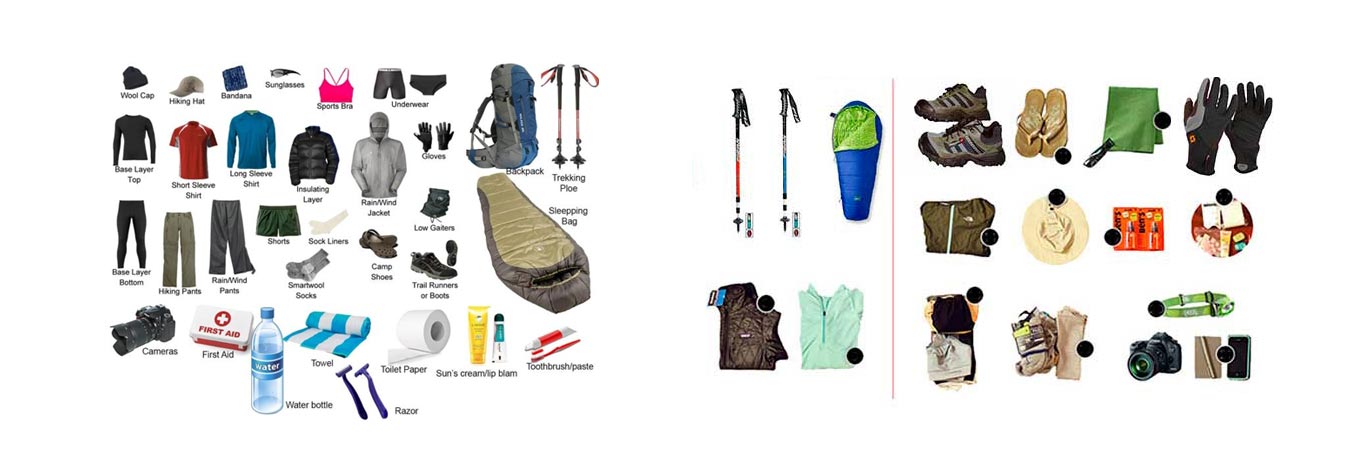
Complete Equipment Checklist for 7000m Expedition in Nepal
This is the core section of your expedition preparation. At 7000 meters, equipment selection must follow a systematic, performance-based approach. Every item should serve a clear purpose: protection, efficiency, or safety.
The clothing system is the most critical component of your gear. Proper layering allows you to regulate body temperature, manage moisture, and protect yourself from wind and extreme cold during rotations and summit push.
Below is the recommended clothing structure for a 7000m expedition in Nepal.
1. Clothing System (Layering Strategy for 7000m)
The layering system for high-altitude climbing follows a structured approach:
- Moisture management
- Insulation
- Weather protection
Unlike trekking, where minor discomfort is manageable, at 7000 meters improper layering can lead to frostbite or hypothermia. Your clothing must allow flexibility for temperature fluctuations between base camp, higher camps, and summit day.
A complete layering system ensures:
- Sweat is moved away from the skin
- Core body heat is retained
- Wind and snow are blocked
- Layers can be added or removed quickly
Each layer plays a specific role.
Base Layers (Thermal Tops & Bottoms)
Base layers sit directly against your skin and are responsible for moisture management. At high altitude, staying dry is essential because wet fabric rapidly increases heat loss.
Recommended checklist:
- 2 to 3 moisture-wicking thermal tops
- 2 thermal bottoms
- Merino wool or high-quality synthetic materials
- Quick-drying and breathable fabric
Avoid cotton entirely, as it retains moisture and increases the risk of cold-related injuries.
During summit push, a high-performance base layer becomes especially important. It should fit snugly without restricting movement and allow efficient moisture transfer under multiple insulating layers.
Mid Layers (Fleece / Softshell)
Mid layers provide active insulation during movement. These are worn over base layers and under heavier outer insulation.
Recommended checklist:
- 1 lightweight fleece jacket
- 1 heavier fleece or softshell jacket
- 1 softshell climbing pant
Mid layers should offer:
- Breathability during ascent
- Stretch for technical climbing
- Moderate wind resistance
Softshell fabrics are particularly useful during rotation climbs and movement between camps, as they balance warmth and mobility. In stable weather conditions, climbers often rely on mid layers combined with a shell instead of heavy down.
Proper mid-layer selection reduces the need for constant adjustments and conserves energy at high altitude.
Insulation Layer (Heavy Down Jacket)
The heavy down jacket is your primary protection during rest periods, high camp exposure, and extremely cold conditions. At 7000 meters, this layer becomes essential above Camp II and during summit preparations.
Recommended checklist:
- 800-fill or higher expedition-grade down jacket
- Insulated hood compatible with helmet
- Wind-resistant outer fabric
- Large internal and external pockets
Your down jacket must provide sufficient warmth in temperatures below minus 25 to minus 30 degrees Celsius. It should fit comfortably over base and mid layers without compressing insulation.
For summit push on many 7000m peaks, climbers also use a full expedition down suit instead of a jacket and pant combination, depending on the route and season.
Investing in high-quality insulation is non-negotiable. In extreme Himalayan conditions, this layer can determine whether you remain functional or are forced to turn back due to cold exposure.
Hardshell Jacket and Pants (Waterproof & Windproof)
A high-quality hardshell layer is your primary defense against wind, snow, and sudden weather changes. At 7000 meters, wind exposure can be extreme, and even light snowfall combined with wind chill can create life-threatening conditions.
Your hardshell system should be fully waterproof, windproof, and breathable. It must also be durable enough to withstand contact with ice, rock, and climbing hardware.
Recommended checklist:
- 1 expedition-grade waterproof hardshell jacket with helmet-compatible hood
- 1 waterproof hardshell pant with full side zippers
- Gore-Tex or equivalent 3-layer membrane fabric
- Adjustable cuffs and hem to seal out wind
Full side zippers on pants are especially important. They allow you to put on or remove shell layers without removing crampons or boots during technical sections.
A reliable hardshell ensures protection during storms, summit pushes, and exposed ridge climbing.
Expedition Down Suit (For Summit Push)
For many 7000m peaks in Nepal, climbers use a full expedition down suit during summit day. This one-piece insulated suit provides maximum warmth and eliminates gaps between jacket and pants.
Summit attempts typically begin around midnight in extremely cold temperatures. A down suit ensures consistent insulation while minimizing heat loss during long hours in freezing conditions.
Recommended checklist:
- One-piece expedition down suit rated for extreme cold
- 800-fill or higher down insulation
- Reinforced seat and knees
- Double front zipper system
- Large internal storage pockets
A down suit simplifies layering during summit push and reduces the risk of exposed areas between layers. It is particularly beneficial on peaks with prolonged summit ridges or slow technical sections.
While some climbers prefer separate down jacket and pants, a down suit remains the most efficient choice for severe high-altitude conditions.
Trekking & Climbing Pants
In addition to shell and insulation layers, you will need dedicated climbing and trekking pants for approach and rotation phases.
These pants should offer durability, stretch, and breathability.
Recommended checklist:
- 1 lightweight trekking pant for lower camps
- 1 durable softshell climbing pant
- Reinforced knees and seat
- Adjustable waist for layering flexibility
Softshell climbing pants are ideal during active movement in stable weather. They provide flexibility for high steps, front-pointing on ice, and harness use.
Avoid heavy cotton or casual outdoor trousers. Technical alpine pants are specifically designed for glacier travel and steep snow climbing.
Gloves (Inner, Insulated, and Summit Mitts)
Hand protection is one of the most critical aspects of your equipment. Frostbite risk increases significantly at 7000 meters, especially during summit push.
A proper glove system involves multiple layers to allow flexibility and redundancy.
Recommended checklist:
- 2 pairs of lightweight liner gloves
- 1 pair of insulated climbing gloves
- 1 pair of heavy expedition mittens
- Waterproof outer shell mitts (if separate system)
Liner gloves allow basic tasks such as adjusting carabiners or handling ropes without fully exposing skin. Insulated gloves are used during climbing. Expedition mitts are reserved for summit day and extreme cold conditions.
Always carry backup gloves. Wet or lost gloves at high altitude can quickly become dangerous.
Hats, Balaclava & Neck Gaiter
Head and face protection is essential in freezing winds and high UV exposure.
At 7000 meters, exposed skin can freeze rapidly, particularly on the nose and cheeks during summit push.
Recommended checklist:
- 1 warm fleece or wool hat
- 1 insulated expedition hat
- 1 full balaclava
- 1 neck gaiter or buff
- Optional face mask for extreme wind
Your balaclava should fit comfortably under a helmet. Neck gaiters provide flexibility for quick adjustments and additional wind protection.
Face protection becomes especially important during high winds and early morning summit climbs.
Socks (Liner + Wool + High Altitude Socks)
Proper sock layering supports warmth, comfort, and blister prevention. At high altitude, circulation is reduced, increasing frostbite risk in toes.
Recommended checklist:
- 2 to 3 pairs of thin liner socks
- 2 pairs of thick wool or synthetic mountaineering socks
- 1 pair of high-altitude expedition socks for summit push
Liner socks help reduce friction and wick moisture away from the skin. Thick mountaineering socks provide insulation. Summit socks should be compatible with double or triple-layer boots without restricting circulation.
Avoid tight socks, as restricted blood flow increases cold injury risk. Proper sock management significantly improves foot warmth and overall comfort during long summit days.
2. Footwear for 7000m Climbing
Footwear is one of the most critical components of your 7000m expedition gear. At extreme altitude, cold-related injuries most commonly affect the toes. Poor boot selection can result in frostbite, reduced circulation, and forced descent.
Your footwear system must provide:
- Maximum insulation
- Compatibility with crampons
- Stability on steep ice and snow
- Comfort during long summit pushes
Investing in high-quality high-altitude boots is not optional for a 7000m expedition in Nepal.
Double or Triple Layer Mountaineering Boots
For 7000m peaks, standard trekking boots are completely inadequate. You must use high-altitude double or triple-layer mountaineering boots specifically designed for extreme cold.
These boots consist of:
- An insulated inner liner
- A rigid outer shell or synthetic outer boot
- In triple boots, an additional integrated gaiter layer
Recommended checklist:
- Double or triple boots rated for 7000m altitude
- Removable insulated liner
- Full crampon compatibility
- Rigid sole for front-pointing on ice
- Proper sizing to allow circulation
The removable inner liner is especially important. It can be dried inside your sleeping bag at night to prevent moisture freezing inside the boot.
Boots should fit slightly roomier than trekking boots to allow thick socks without restricting blood flow. Tight boots significantly increase frostbite risk.
Well-known high-altitude models are specifically engineered for Himalayan expeditions and provide both insulation and climbing precision.
Gaiters
Gaiters provide an additional protective barrier between your boots and the external environment.
Even if you are using double boots, separate high-altitude gaiters are often recommended unless your boots have integrated gaiters.
Recommended checklist:
- Waterproof and windproof gaiters
- Durable lower section for crampon protection
- Secure under-boot strap
- Adjustable upper closure
Gaiters prevent snow from entering boots during deep snow travel and protect against spindrift during high winds. They also add a small but valuable layer of insulation.
For peaks with heavy glacier sections or unstable snow slopes, gaiters improve overall comfort and protection.
Camp Shoes or Down Booties
While summit boots are essential for climbing, they are not comfortable for use at base camp or inside tents. Camp footwear allows your feet to rest and recover after long climbing days.
Recommended checklist:
- Lightweight camp shoes or sandals for base camp
- Insulated down booties for high camps
- Non-slip sole for tent use
Down booties are particularly useful at higher camps where temperatures remain below freezing even inside tents. Keeping your feet warm during rest periods improves circulation and recovery for the next climbing rotation.
Comfort at camp contributes significantly to overall expedition performance.
Crampons (Compatible with Boots)
Crampons are mandatory for all 7000m expeditions in Nepal due to glacier crossings, steep snow slopes, and ice sections.
Compatibility between boots and crampons is critical. Mismatched systems can become unstable and dangerous.
Recommended checklist:
- 12-point steel crampons suitable for mountaineering
- Step-in or hybrid binding compatible with your boots
- Anti-balling plates
- Proper adjustment and pre-expedition testing
Steel crampons are preferred over aluminum for durability on mixed terrain. Anti-balling plates prevent snow from accumulating under the frame, which can compromise traction.
Before departure, always test your crampon and boot combination thoroughly. Practice walking, front-pointing, and adjusting straps while wearing gloves.
Reliable footwear and properly fitted crampons are fundamental to safe glacier travel and technical climbing on 7000m peaks in Nepal.
3. Climbing Technical Equipment
Technical climbing gear is essential for safe movement on glaciers, steep snow slopes, fixed rope sections, and exposed ridges. On a 7000m expedition in Nepal, you will rely heavily on fixed lines installed by the expedition team, but personal technical equipment remains your responsibility.
All climbing hardware must be high quality, properly certified, and tested before departure. Equipment failure at high altitude can have severe consequences.
Below is the essential technical gear checklist.
Climbing Harness
A mountaineering harness connects you to fixed ropes and anchors throughout the expedition. It must be lightweight, durable, and adjustable to fit over multiple clothing layers.
Recommended checklist:
- Lightweight alpine climbing harness
- Adjustable leg loops
- Multiple gear loops
- Compatible with wearing a down suit
The harness should allow comfortable movement while wearing thick gloves and high-altitude clothing. Ensure it fits securely over all summit layers before the expedition begins.
Helmet
A climbing helmet protects against falling ice, loose rock, and accidental impacts during technical sections.
On many 7000m peaks, climbers pass through serac zones and steep sections where ice fragments can fall unexpectedly.
Recommended checklist:
- Lightweight certified climbing helmet
- Adjustable fit for balaclava or hat
- Ventilation with minimal heat loss
The helmet should be compatible with your headlamp and comfortable for extended use.
Ice Axe (Trekking vs Technical)
The type of ice axe required depends on the specific peak and route.
For less technical 7000m peaks with moderate snow slopes, a classic mountaineering axe is sufficient. More technical routes may require a technical ice tool.
Recommended checklist:
- 1 classic mountaineering ice axe (most common)
- Leash or leashless system
- Length appropriate for your height
A trekking axe is generally suitable for glacier travel and fixed rope ascents. For steeper ice faces, a shorter technical axe may be recommended.
Practice using your ice axe for self-arrest and balance before the expedition.
Ascender (Jumar)
An ascender, commonly referred to as a Jumar, is used to climb fixed ropes during steep sections.
Fixed lines are common on 7000m expeditions, especially above high camps and on summit ridges.
Recommended checklist:
- 1 ascender (left or right-handed depending on preference)
- Compatible with rope diameter used by expedition team
- Locking safety mechanism
You will use the ascender to efficiently and safely move upward on fixed ropes while conserving energy.
Descender (Figure 8 / ATC)
A descender allows controlled movement down fixed ropes during descent.
Descending safely is equally important as ascending, particularly when fatigued after summit push.
Recommended checklist:
- Figure 8 device or ATC-style belay device
- Compatible with expedition rope thickness
- Easy handling with gloves
Choose a device you are comfortable using in cold conditions while wearing insulated gloves.
Carabiners (Locking & Non-Locking)
Carabiners are fundamental connectors in your safety system.
You will use them to attach yourself to fixed ropes, anchors, and safety slings.
Recommended checklist:
- 3 to 4 locking carabiners
- 2 to 3 non-locking carabiners
- Certified climbing-grade hardware
Locking carabiners are essential for primary attachment points. Non-locking carabiners are useful for gear organization and backup systems.
All carabiners should be easy to operate with gloves.
Prusik Loops
Prusik loops are friction knots made from cord and serve as backup safety systems.
They are used for:
- Emergency rope ascent
- Backup during descent
- Crevasse rescue scenarios
Recommended checklist:
- 2 pre-tied prusik cords
- Heat-resistant cord material
- Proper length for rope diameter
These simple tools can become critical safety backups in case of equipment malfunction.
Safety Sling / Daisy Chain
A safety sling or daisy chain connects your harness to anchors and fixed lines, allowing secure resting points during steep climbs.
Recommended checklist:
- 1 adjustable safety sling or daisy chain
- Strong and certified material
- Compatible with locking carabiners
An adjustable sling provides flexibility when clipping into anchors at different heights.
Trekking Poles
While not technical climbing hardware, trekking poles are extremely useful during approach treks and lower glacier travel.
They reduce strain on knees and improve balance when carrying heavy loads.
Recommended checklist:
- Lightweight adjustable trekking poles
- Durable locking mechanism
- Snow baskets
Trekking poles are usually stored on your pack during steep technical sections but are invaluable during long approach days and descents.
Technical climbing equipment forms the backbone of your safety system on a 7000m expedition in Nepal. Each item must be tested, properly fitted, and practiced with before departure.
4. Camping & Sleeping Equipment
A 7000m expedition in Nepal typically lasts several weeks and involves multiple nights at base camp and high camps. Proper camping and sleeping equipment is essential for recovery, warmth, hydration, and overall performance.
Unlike trekking, rest at high altitude is often uncomfortable and limited. Your equipment must compensate for extreme cold, reduced oxygen, and harsh ground conditions. Quality sleeping gear directly impacts acclimatization and summit readiness.
Expedition Sleeping Bag (-30°C to -40°C Rating)
Your sleeping bag is one of the most important pieces of equipment for high-altitude climbing. Nights at advanced base camp and higher camps can drop well below freezing.
Recommended checklist:
- Expedition-grade down sleeping bag rated between -30°C and -40°C
- High fill power down insulation
- Mummy shape for maximum heat retention
- Insulated draft collar and hood
- Compression sack and waterproof storage
At high camps, temperatures can remain extremely cold even inside tents. A properly rated sleeping bag ensures your body conserves energy rather than losing heat overnight.
Down insulation is preferred for its warmth-to-weight ratio, but it must be protected from moisture at all times.
Sleeping Mat (Inflatable + Foam Backup)
Insulation from the ground is just as important as insulation around your body. Snow and ice rapidly draw heat away, even inside tents.
Using two layers of ground insulation is strongly recommended.
Recommended checklist:
- 1 high-quality inflatable insulated sleeping mat
- 1 closed-cell foam mat as backup
- High R-value suitable for extreme cold
The inflatable mat provides comfort and insulation, while the foam mat serves as backup in case of puncture and adds extra thermal protection.
At high altitude, proper ground insulation significantly improves sleep quality and recovery.
Headlamp (With Extra Batteries)
Summit pushes on 7000m peaks usually begin between midnight and 2:00 am. A reliable headlamp is essential for safe movement in darkness.
Recommended checklist:
- High-lumen headlamp suitable for alpine use
- Adjustable brightness settings
- Extra batteries stored in insulated pocket
- Cold-resistant battery performance
Cold temperatures drain batteries quickly. Always carry spare batteries inside your jacket to keep them warm.
Your headlamp should be compatible with your helmet and easy to operate while wearing gloves.
Personal First Aid Kit
Although expedition teams carry group medical supplies, each climber should have a personal first aid kit for minor issues and altitude-related concerns.
Recommended checklist:
- Personal prescription medications
- Basic blister care supplies
- Pain relief medication
- High-altitude medication (as prescribed)
- Small wound care supplies
- Personal hygiene items
At high altitude, small injuries can become problematic if ignored. Being self-sufficient for minor medical needs reduces risk and dependency during rotations.
Consult with a medical professional before the expedition to prepare altitude-related medications appropriately.
Water Bottles & Thermos Flask
Hydration is critical for acclimatization and performance at altitude. Dehydration increases the risk of altitude sickness and fatigue.
Recommended checklist:
- 2 durable wide-mouth water bottles
- 1 insulated thermos flask
- Insulated bottle covers
Wide-mouth bottles are less likely to freeze in cold conditions. A thermos flask is especially important during summit push, allowing you to carry warm fluids in freezing temperatures.
Proper hydration supports circulation, energy levels, and overall safety during a 7000m expedition in Nepal.
Camping and sleeping equipment directly influence recovery and acclimatization throughout the expedition. In extreme Himalayan conditions, warmth, rest, and hydration are foundational to summit success.
5. Oxygen & High-Altitude Safety Gear
At 7000m, the air contains roughly 40 percent less oxygen than at sea level. This reduced oxygen availability significantly impacts physical performance, decision-making, and recovery. While many 7000m peaks can be climbed without supplemental oxygen, having proper high-altitude safety gear is critical for acclimatization, emergency situations, and summit attempts.
Supplemental Oxygen (If Required)
Supplemental oxygen helps maintain performance and reduces the risk of acute altitude sickness during summit pushes. Its use depends on the peak, weather conditions, and individual acclimatization.
Recommended checklist:
- Portable oxygen cylinders (as recommended by expedition provider)
- Sufficient oxygen supply for summit rotation
- Cylinder regulator compatible with mask and flow system
- Proper storage and secure attachment system
Even if you plan to climb without oxygen, carrying a small emergency supply can be life-saving in sudden high-altitude distress.
Oxygen Mask & Regulator
The oxygen mask and regulator deliver supplemental oxygen efficiently and comfortably during climbing. Proper fit and functionality are crucial for safety.
Recommended checklist:
- Full-face or nasal oxygen mask
- Adjustable flow regulator
- Comfortable fit with helmet compatibility
- Backup mask if possible
Test your mask and regulator system before departure to ensure reliable operation under cold conditions. Frost and condensation can affect performance, so practice in controlled environments first.
Pulse Oximeter
A pulse oximeter monitors blood oxygen saturation (SpO₂) and heart rate, helping you track acclimatization and detect early signs of hypoxia.
Recommended checklist:
- Compact, battery-efficient pulse oximeter
- Easy to read display
- Backup batteries or rechargeable option
- Suitable for cold hands (may require warming)
Regular monitoring allows climbers to make informed decisions regarding ascent pace, rest periods, and the need for supplemental oxygen.
Personal Medical Supplies
In addition to general first aid, high-altitude-specific medical supplies are essential for managing potential emergencies.
Recommended checklist:
- Diamox or other prescribed altitude medication (consult your doctor)
- Anti-nausea and digestive aids
- Electrolyte supplements
- Personal medications for pre-existing conditions
- Emergency blister care
Individual preparedness ensures you can respond to minor health issues before they escalate, maintaining safety and performance during the expedition.
Oxygen systems and high-altitude safety gear provide a critical safety net during a 7000m expedition. Even well-acclimatized climbers benefit from monitoring tools and emergency oxygen to reduce risk and maximize chances of a successful summit.
Backpack & Storage
Efficient storage and load management are critical for high-altitude expeditions. At 7000 meters, carrying unnecessary weight increases fatigue and slows acclimatization. Organizing gear properly ensures quick access to essential items, protection from moisture, and balanced load distribution.
A combination of a large expedition backpack, a summit daypack, and protective storage solutions is recommended.
Expedition Backpack (70–90L)
Your main expedition backpack carries all essential gear for multi-day rotations, high camps, and summit preparation. Size, comfort, and durability are key considerations.
Recommended checklist:
- 70–90L high-quality expedition backpack
- Adjustable suspension system for heavy loads
- Reinforced shoulder straps and hip belt
- External attachment points for ice axes, trekking poles, and crampons
- Compression straps for load stability
A well-fitted backpack ensures your weight is distributed evenly, reducing strain on your back and shoulders during long glacier approaches or base-to-high camp rotations.
Summit Daypack
A small summit daypack is used for the final push to the summit. It carries lightweight essentials such as oxygen, water, snacks, and safety gear.
Recommended checklist:
- 25–35L lightweight summit pack
- Hydration system or water bottle compatibility
- Minimal weight without sacrificing durability
- External attachment points for helmet, crampons, or ice axe
The summit pack should be comfortable over your down suit or layered clothing, allowing freedom of movement during technical sections.
Waterproof Duffel Bag
A waterproof duffel bag protects your main gear during transit and base camp stays. It also provides backup storage for non-essential items.
Recommended checklist:
- 100–120L waterproof expedition duffel
- Durable material resistant to tearing
- Reinforced handles and shoulder straps
- Large capacity for multiple gear items
Duffel bags are useful for transporting gear to base camp or between high camps and for protecting clothing and sleeping equipment from snow or rain.
Dry Bags & Stuff Sacks
Dry bags and stuff sacks help organize equipment, protect clothing from moisture, and separate clean and dirty items. Proper organization prevents freezing and damage to delicate gear.
Recommended checklist:
- Multiple waterproof dry bags (various sizes)
- Stuff sacks for clothing, sleeping bag, and personal items
- Color-coded or labeled for quick access
- Lightweight and compressible
Using dry bags for base layers, down insulation, and electronics reduces the risk of moisture-related issues, keeping gear functional throughout the expedition.
Proper backpack selection and organized storage are essential for efficient movement, weight management, and protection of critical high-altitude equipment. The next section will cover personal items, sun protection, and nutrition essentials for a 7000m expedition in Nepal.
7. Personal Items & Essentials
Personal items and small essentials play a crucial role in comfort, protection, and energy management on a 7000m expedition. While these items may seem minor compared to technical gear, neglecting them can affect your performance, safety, and overall experience at high altitude.
Sunglasses (Category 4 Glacier Glasses)
High-altitude environments expose climbers to intense UV radiation, which can cause snow blindness. Glacier sunglasses with Category 4 lenses provide maximum protection.
Recommended checklist:
- Category 4 glacier sunglasses
- Wrap-around design for full eye coverage
- Adjustable strap for secure fit under helmet
- Anti-fog and scratch-resistant lenses
Proper eye protection is essential during sunny days on glaciers, exposed ridges, and summit attempts.
Ski Goggles
Ski goggles protect eyes from wind, snow, and blinding reflection. They are especially useful during storms or high-wind sections.
Recommended checklist:
- Ventilated, anti-fog ski goggles
- Interchangeable lenses (optional for different light conditions)
- Helmet compatibility
Goggles provide added protection against ice particles, snow, and extreme wind chill.
Sunscreen & Lip Balm (High SPF)
Intense UV radiation at high altitude increases the risk of sunburn and skin damage, even in cold conditions.
Recommended checklist:
- Broad-spectrum sunscreen SPF 50+
- Lip balm with SPF 50+
- Travel-sized for easy application
- Water-resistant formulations
Reapply sunscreen and lip balm frequently, especially during summit attempts or prolonged exposure on snow and ice.
Toiletries & Hygiene Items
Maintaining basic hygiene is important to prevent illness, infections, and discomfort during long expeditions.
Recommended checklist:
- Toothbrush and toothpaste
- Wet wipes and hand sanitizer
- Quick-dry towel
- Small personal hygiene kit
- Travel-sized medications
Pack compactly and keep items in waterproof bags to prevent moisture damage.
Power Bank / Solar Charger
Electronic devices such as headlamps, GPS units, and cameras require power. Cold temperatures drain batteries quickly, making backup power essential.
Recommended checklist:
- High-capacity power bank
- Solar charger as backup
- Insulated storage to prevent battery freezing
- Charging cables for all devices
Keep power banks close to your body or inside insulated compartments to maintain battery efficiency in extreme cold.
Snacks & Energy Gels
Proper nutrition and quick energy are essential at high altitude, where appetite may decrease, but caloric demands are high.
Recommended checklist:
- Energy gels or chews
- High-calorie snacks (nuts, chocolate, dried fruits)
- Compact and lightweight packaging
- Easily accessible during climbing
Frequent small snacks maintain energy levels and prevent fatigue during long summit rotations and acclimatization climbs.
Equipment Provided by Expedition Company
Many 7000m expeditions in Nepal are organized through professional companies that supply key shared equipment. While personal gear is essential, understanding what the expedition company provides helps you plan what to carry, avoid unnecessary weight, and coordinate logistics efficiently.
Fixed Ropes & Anchors
On most 7000m peaks, fixed ropes and anchors are installed to assist climbers on steep or technical sections.
Provided by expedition company:
- Pre-installed fixed ropes on glaciers, ridges, and summit routes
- Anchors for secure attachment points
- Regular maintenance and inspection by climbing staff
While ropes aid safety, climbers still need personal harnesses, ascenders, and carabiners for clipping in and moving efficiently.
Tents (Base Camp & High Camp)
Expedition companies supply shared tents at base camp and higher camps to accommodate multiple climbers.
Provided by expedition company:
- Large communal base camp tents
- High-altitude sleeping tents at advanced camps
- Tent setup, maintenance, and occasional relocation
Personal sleeping gear is still required inside shared tents, including sleeping bags and mats, for insulation and comfort.
Group Climbing Hardware
Some technical hardware may be shared among the expedition team, reducing the need to carry every item individually.
Provided by expedition company:
- Group pulleys and belay devices
- Fixed anchors and slings for high camps
- Collective climbing ropes for rope teams
Even with shared equipment, climbers must bring personal harnesses, carabiners, prusik loops, and technical hardware for redundancy and safety.
Kitchen & Dining Setup
Expedition providers handle cooking, water purification, and dining facilities at base and high camps.
Provided by expedition company:
- Stove systems and fuel
- Cooked meals and high-calorie food at camp
- Tables, chairs, and communal dining setup
- Water treatment and storage
Climbers still need personal hydration bottles, thermos flasks, and compact snacks for summit rotations and on-the-go energy.
Knowing which equipment is provided allows climbers to reduce unnecessary weight, focus on critical personal gear, and plan efficiently for a safe and successful 7000m expedition in Nepal.
Renting vs Buying Equipment in Nepal
Planning your high-altitude expedition also involves deciding whether to buy or rent equipment. Nepal, especially Kathmandu and major trekking hubs, offers both options. Understanding which items are best purchased versus rented can save cost, reduce baggage, and ensure quality gear for your 7000m climb.
What You Should Definitely Buy
Certain personal gear items are essential for safety, hygiene, and fit, making them better to purchase rather than rent.
Gear recommended to buy:
- High-altitude boots (double/triple layer)
- Down jackets and down suits
- Base layers and mid layers
- Gloves, mittens, and liner gloves
- Sunglasses and ski goggles
- Personal sleeping bag
Buying ensures a perfect fit, hygiene, and consistent performance, which is critical for high-altitude survival and comfort.
What You Can Rent in Kathmandu
Some expedition gear can be rented from reputable stores in Kathmandu, reducing baggage and initial cost.
Items suitable for rental:
- Hardshell jackets and pants
- Crampons
- Ice axes (trekking or technical)
- Helmets
- Climbing harnesses
- Trekking poles
- Expedition backpacks
Always inspect rented equipment for wear, compatibility, and functionality before committing to a rental. Test crampons, harnesses, and ice axes with gloves to ensure comfort and safety.
Cost Comparison and Quality Considerations
When deciding to rent or buy, consider both cost and quality:
- Buying: Higher upfront cost, guaranteed fit, hygiene, and long-term usability. Ideal for climbers who regularly undertake high-altitude expeditions.
- Renting: Lower initial cost, convenient for first-time climbers or infrequent expeditions. Quality can vary, so always verify equipment condition.
Some items, such as boots and down suits, are better owned to ensure reliability in extreme Himalayan conditions. For items like crampons or helmets, renting can be cost-effective if high-quality gear is available and properly inspected.
Strategic decisions on renting vs buying help reduce expedition load, manage costs, and maximize safety and performance on 7000m peaks in Nepal.
Weight Management Strategy for 7000m Expeditions
Efficient weight management is a critical factor in the success of any 7000m expedition. Excessive load increases fatigue, slows acclimatization, and reduces safety margins, while under packing can leave you unprepared for extreme conditions. A strategic approach to gear, clothing, and personal items ensures both efficiency and safety.
Recommended Total Load for Climbers
Climbers should carefully plan the total weight they carry during approach treks, rotations, and summit pushes. The recommended personal load balances comfort, essential gear, and energy conservation.
Guidelines:
- Base camp and rotation load: 12–18 kg (including personal gear, clothing, sleeping bag, and food)
- Summit daypack: 5–8 kg (minimal essentials such as oxygen, water, snacks, headlamp, and down suit)
- Avoid overpacking non-essential items to prevent fatigue and strain
Maintaining a reasonable load allows climbers to move efficiently, acclimatize properly, and reduce the risk of injury.
Porter & Yak Load Distribution
Most Nepalese expeditions employ porters or yaks to carry heavier loads, particularly for base camp logistics. Proper load distribution between personal backpacks and group transport is key.
Best practices:
- Personal high-altitude gear (boots, down suit, harness, gloves, oxygen) stays with climber
- Heavy communal items (tents, stoves, fuel, cooking utensils) transported by porters or yaks
- Ensure clear labeling and waterproof packing for each item
- Pack summit day essentials separately for easy access
Using porters effectively reduces the climber’s burden and allows focus on climbing rather than gear management.
Balancing Safety and Lightweight Packing
High-altitude expeditions require careful judgment to balance weight reduction with safety. Cutting corners on critical gear can have serious consequences, while unnecessary items add fatigue and energy expenditure.
Key tips:
- Prioritize life-safety gear (boots, down suit, helmet, harness, technical hardware)
- Use multi-purpose items where possible
- Compress and organize clothing and sleeping gear using stuff sacks and dry bags
- Avoid carrying “just-in-case” items unless essential for survival
A well-planned weight management strategy improves mobility, reduces fatigue, and ensures climbers remain prepared for all environmental challenges during a 7000m expedition in Nepal.
Common Mistakes When Packing for 7000m Expeditions
Even experienced climbers can make critical errors when preparing for high-altitude expeditions. Mistakes in packing can compromise safety, comfort, and overall performance on 7000m peaks in Nepal. Awareness of these common pitfalls allows climbers to avoid unnecessary risks.
Underestimating Cold Conditions
One of the most frequent mistakes is underestimating how cold it can get at high camps and during summit attempts. Temperatures can drop below -30°C, and wind chill can make conditions feel even harsher.
Risks of underestimating cold:
- Frostbite on exposed skin
- Hypothermia during rest periods
- Reduced mobility due to inadequate insulation
Always select clothing and sleeping gear rated for extreme cold. Never compromise on high-altitude insulation for weight savings.
Bringing Too Many Non-Essentials
Overpacking non-essential items increases fatigue and slows acclimatization. Many climbers carry gadgets, extra clothing, or luxury items that are rarely used at high altitude.
Consequences:
- Excessive weight on approach and rotations
- Slower summit attempts
- Increased energy expenditure and fatigue
Focus on essentials that contribute directly to safety, warmth, hydration, and nutrition. Multi-purpose items can reduce unnecessary load.
Poor Boot Selection
Inadequate or improperly fitted boots are a leading cause of cold injuries and foot discomfort. Standard trekking boots or worn-out high-altitude boots can result in frostbite, blisters, and restricted circulation.
Guidelines for boots:
- Use double or triple-layer mountaineering boots
- Ensure proper fit with high-altitude socks
- Test boots with crampons before expedition
Correct boot selection protects feet from extreme cold and ensures efficient movement on snow, ice, and glacier terrain.
Ignoring Backup Gloves and Batteries
Many climbers underestimate the importance of redundancy for critical items such as gloves and batteries. Cold exposure can quickly render gloves wet or frozen, and batteries can drain rapidly in sub-zero temperatures.
Recommended precautions:
- Carry at least one backup pair of liner gloves and mittens
- Pack extra batteries for headlamps, pulse oximeters, and other electronics
- Keep spare batteries insulated close to the body
Having functional backup gear prevents emergencies during summit pushes or high-camp rotations and is a simple way to enhance safety.
Avoiding these common mistakes ensures climbers remain prepared, safe, and efficient while tackling 7000m peaks in Nepal. Careful preparation and attention to detail significantly increase the chances of a successful expedition.
Final Pre-Departure Equipment Check
Before heading to Nepal for a 7000m expedition, performing a thorough pre-departure check ensures your safety, comfort, and readiness for extreme conditions. This step reduces surprises at high altitude and maximizes your chances of a successful climb.
Testing Gear Before Departure
All technical and personal equipment should be tested in realistic conditions before departure. This includes:
- Trying on boots, down suits, and layering systems
- Fitting harness, helmet, and gloves over summit layers
- Testing crampons, ice axes, and ascenders on similar terrain
- Verifying headlamp, batteries, and electronic devices
Testing gear allows you to adjust fit, troubleshoot issues, and identify missing items long before the expedition begins.
Layer Trial at High Altitude
Practice your layering strategy in cold, windy, or simulated high-altitude environments. This helps you:
- Identify overheating or excessive sweating
- Ensure freedom of movement with all layers on
- Determine correct combination of base, mid, insulation, and shell layers
A successful layer trial improves comfort, prevents heat loss, and prepares you for varying conditions on 7000m peaks.
Final Safety Checklist
Before departure, review a final checklist to confirm you have all essential equipment and supplies:
- Clothing layers, boots, and gloves
- Technical climbing gear (harness, helmet, ice axe, crampons)
- Camping and sleeping equipment
- Oxygen and high-altitude safety gear
- Personal items, nutrition, and electronics
- Backup gloves, batteries, and emergency gear
Double-check compatibility, functionality, and fit of all items. This step ensures preparedness for any scenario encountered during your expedition.
Conclusion
Proper equipment is the foundation of a safe and successful 7000m expedition in Nepal. Careful selection, testing, and organization directly affect your performance, comfort, and survival in extreme Himalayan conditions.
Why Proper Equipment Determines Expedition Success
- Protects against severe cold, wind, and altitude
- Ensures safety on glaciers, technical sections, and summit routes
- Supports hydration, nutrition, and recovery at high camps
- Reduces fatigue and prevents injury during long rotations
High-quality gear and preparation give climbers confidence to focus on climbing rather than dealing with avoidable problems.
Ready for Your 7000m Expedition in Nepal?
With a detailed equipment checklist, proper planning, and thoughtful packing, you are ready to take on Nepal’s challenging 7000m peaks. Prioritize safety, practice your gear, and approach your expedition with confidence to maximize both performance and enjoyment.
This completes the comprehensive guide and checklist for all essential equipment needed for a 7000m expedition in Nepal.

Himalayan Magic Treks
A Himalayan travel contributor sharing destination guidance, local insight and practical planning advice.
Traveler Comments